Mastering Customs Compliance in Modern Freight Forwarding
Thursday, September 24 2026

Global trade remains the backbone of the world economy, yet navigating the intricate web of international customs regulations presents a significant challenge for freight forwarders. As supply chains grow more complex, maintaining strict compliance is not merely about avoiding costly penalties or shipment delays. It involves creating a transparent, automated environment where data integrity becomes the primary defense against administrative errors. By leveraging modern cloud-based software solutions, forwarders can now transform their compliance strategies from reactive efforts into proactive operational advantages, ensuring that every cargo movement adheres to local and international legal standards seamlessly.
The Digital Transformation of Documentation

Transitioning from paper-based records to digital documentation is essential for maintaining accurate logs and audit trails. Digital systems provide real-time access to critical information, reducing manual entry mistakes while increasing the overall speed of processing shipments through various global transit checkpoints.
- Real-time Data Accuracy: Automated verification tools ensure that every customs declaration contains precise information, minimizing the likelihood of human error during the critical data entry phase of logistics.
- Centralized Cloud Storage: Storing all compliance documentation in a unified cloud platform allows authorized team members to retrieve historical records instantly during unexpected government audits or internal reviews.
- Automated Validation Rules: Smart software algorithms flag inconsistencies in shipment descriptions or valuation codes before documents are submitted to authorities, preventing rejection and costly administrative delays at borders.
- Version Control Systems: Maintaining a clear history of document changes provides an essential audit trail that protects your agency during legal disputes or complex customs inquiries.
Embracing a digital-first approach allows your team to move beyond outdated filing cabinets and into a realm of high-efficiency operations. When your documentation is handled via a secure cloud platform, you gain the confidence to scale your logistics business without the fear of systemic non-compliance. This transition remains the most reliable path toward achieving long-term operational resilience in the competitive global freight forwarding industry today.
Navigating Evolving Tariff Regulations

Tariff schedules shift constantly due to changing geopolitical landscapes and trade agreements. Forwarders must utilize integrated software tools that provide automated updates to tariff databases, ensuring that your clients are always charged the correct duties based on current government requirements.
- Dynamic Tariff Updates: Integration with official trade databases ensures that your system always reflects the latest tax rates and duty adjustments as soon as they are announced.
- HS Code Precision: Advanced classification assistance tools help your logistics experts select the correct Harmonized System codes for diverse goods to avoid penalties or overpayment of taxes.
- Preferential Trade Agreements: Automated checks identify whether specific shipments qualify for duty reductions under existing international trade pacts, adding significant value to your professional service offerings.
- Risk Mitigation Alerts: Proactive notifications warn your operations team when specific commodities or trade routes face sudden regulatory changes, allowing for rapid adjustments in your logistics strategy.
Adapting to these shifts requires a blend of human expertise and machine-driven insights. By relying on automated alerts, you ensure that your staff is never caught off-guard by sudden changes in trade policy or tax rates. This level of diligence elevates your company reputation, demonstrating to clients that your team manages their financial interests with absolute precision and unmatched modern technological efficiency.
Ensuring Supply Chain Transparency
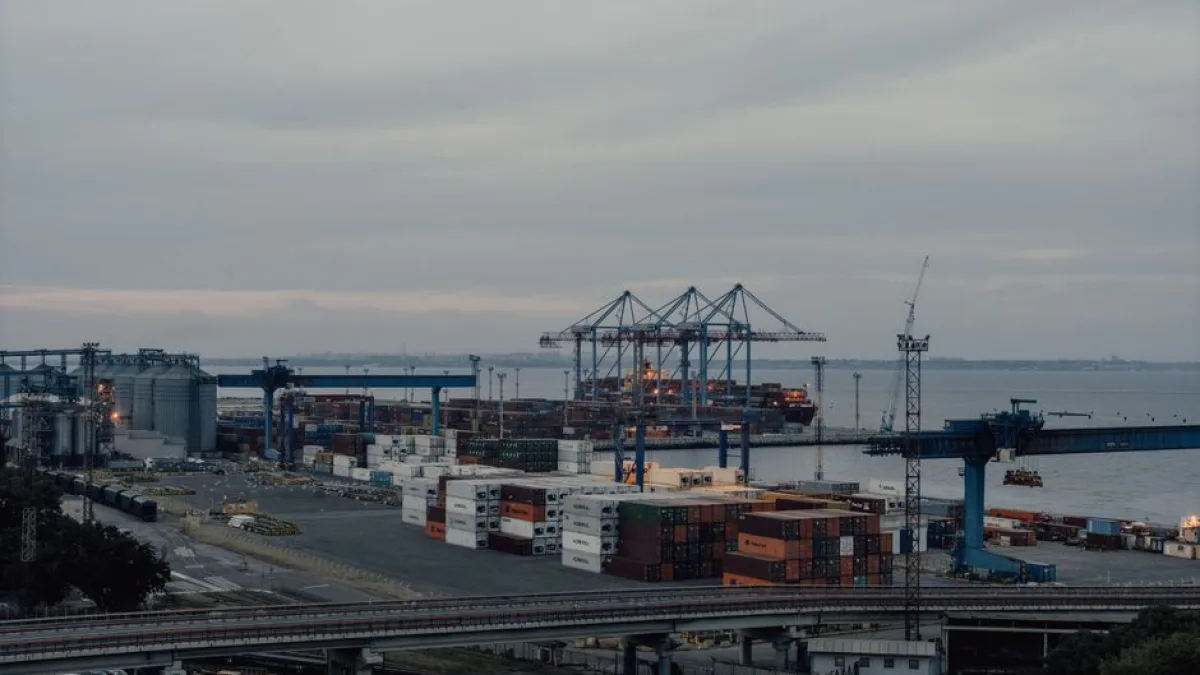
Visibility acts as the foundation of modern compliance, providing stakeholders with clear insights into the movement of goods from origin to destination. Enhanced tracking capabilities enable forwarders to verify that every participant in the chain meets the required safety and customs standards.
- End-to-End Tracking: Integrated monitoring systems provide a comprehensive view of shipment status, ensuring that cargo stays on its planned path through authorized international transit corridors and nodes.
- Vendor Compliance Monitoring: Advanced platform features track the certification status of carriers and suppliers to ensure that every partner meets global security and customs regulations consistently.
- Exception Management Workflow: Automated tools allow your team to identify and resolve irregularities immediately, preventing small issues from escalating into major compliance failures or shipment seizures.
- Client Portal Visibility: Offering customers access to their own compliance data builds deeper trust and demonstrates total accountability throughout the entire duration of the international shipping process.
Transparency is no longer optional in a world that demands accountability and speed. When you provide clear visibility into your compliance procedures, you minimize friction with customs authorities and improve relationships with your clients. Using cloud platforms to share this data creates a collaborative environment where problems are solved collectively, leading to smoother operations and fewer unexpected disruptions within your global logistics network.
Building a Culture of Audit Readiness
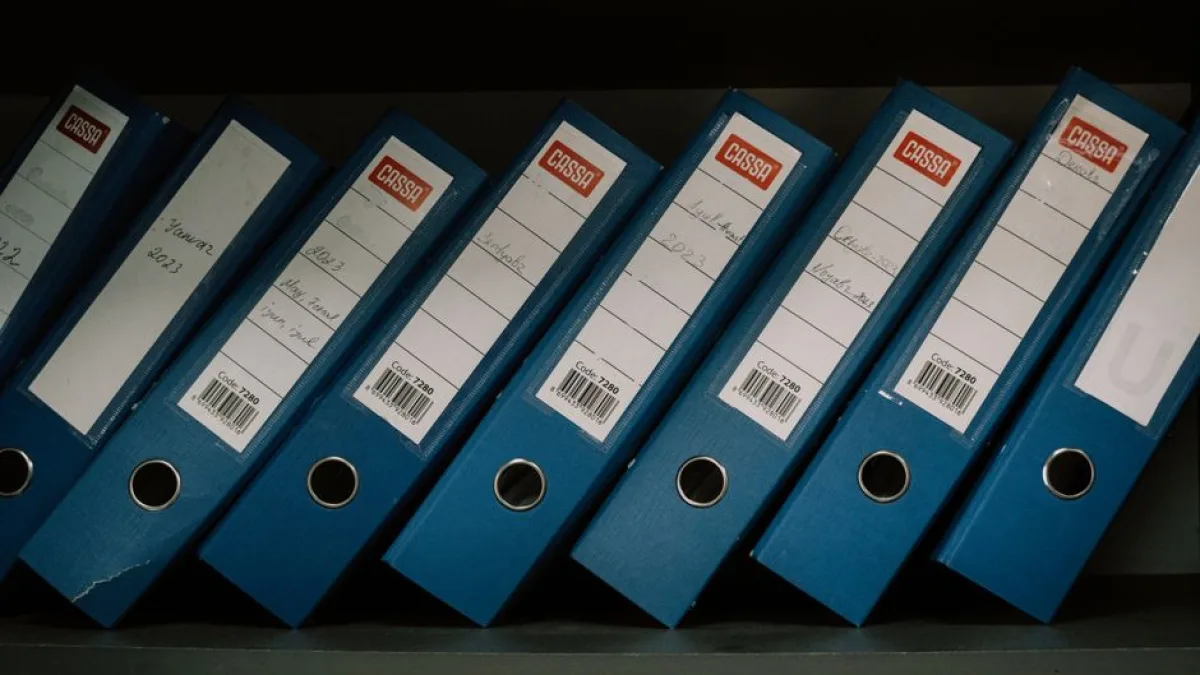
Being prepared for a customs audit demonstrates high professional standards and organizational maturity. A culture of readiness involves maintaining clean data, clear workflows, and easily accessible reports that prove your agency adheres strictly to all international trade laws and requirements.
- Standardized Audit Reports: Custom reporting modules allow you to generate comprehensive compliance summaries with a single click, providing authorities with exactly what they need during inspections.
- Proactive Internal Reviews: Scheduling regular self-audits within your software platform helps identify and rectify potential process gaps before they become targets for external regulatory investigation or scrutiny.
- Role-based Access Control: Restricting sensitive document access to authorized personnel protects the integrity of your compliance data while ensuring that staff members work within their specific permissions.
- Training and Education: Using historical audit data to train your staff helps everyone understand common pitfalls and prevents the recurrence of past mistakes during future freight operations.
Audit readiness is a reflection of your commitment to excellence in the freight forwarding sector. By implementing systematic record-keeping and regular process evaluations, you build a foundation of reliability that satisfies regulators and reassures your high-value clients. Maintaining this standard requires ongoing effort, but the long-term benefits of operational stability and brand reputation far outweigh the initial investment in modern software systems.
Conclusion

Mastering the complexities of customs compliance requires the right mix of human oversight and technological power. By adopting the cloud-based solutions highlighted here, freight forwarders can effectively mitigate risks while optimizing their daily operations. Start your journey toward seamless compliance today by upgrading your digital infrastructure to support better documentation, smarter tariff management, and total transparency across your entire global logistics supply chain.