Mastering Customs Compliance in Modern Freight Forwarding
Friday, October 2 2026
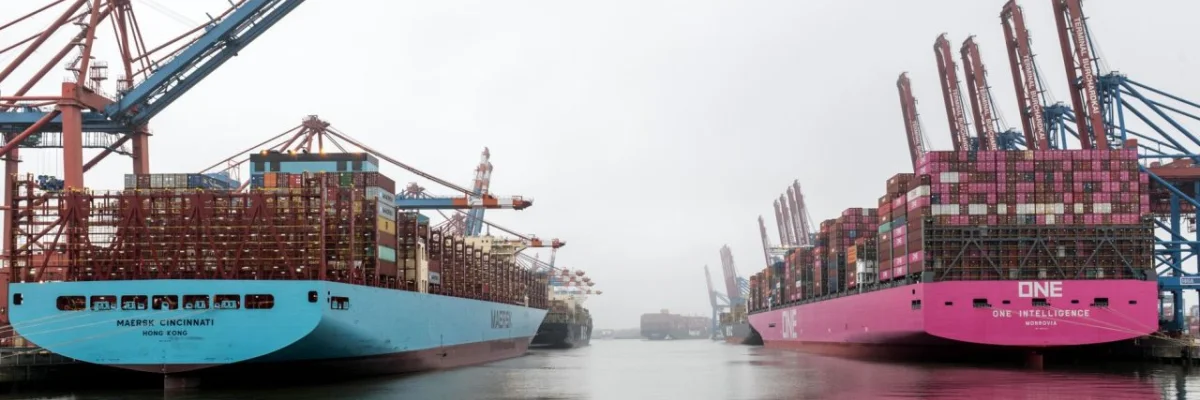
Navigating the complex landscape of global customs regulations is a fundamental challenge for modern freight forwarders. As trade policies shift and digitisation becomes the industry standard, staying ahead requires a proactive approach to documentation and cross-border standards. Ensuring that your shipments comply with international laws is not just about avoiding costly fines or transit delays; it is about building trust with your clients and maintaining a competitive edge. By integrating advanced software solutions into your daily operations, you can streamline compliance workflows and transform regulatory adherence into a reliable pillar of your logistics business success.
Understanding Regulatory Frameworks

Global trade depends on a deep understanding of ever-changing regulatory frameworks that vary by country. Effective forwarders must monitor regional policies to ensure every declaration is accurate, helping clients avoid penalties while keeping supply chains flowing smoothly across complex international borders every day.
- Tariff Classification Accuracy: Assigning the correct Harmonised System code to every product is essential to ensure you pay the correct duties while preventing audits by local national customs authorities.
- Export Control Compliance: Monitoring restricted party lists helps you verify that goods are not being shipped to sanctioned entities, protecting your company from significant legal risks and fines.
- Valuation Methodology Standards: Following standard World Trade Organisation rules for cargo valuation prevents disputes with customs officials regarding the total taxable amount declared for each international import shipment.
- Rules of Origin: Verifying the country of origin is necessary to take advantage of preferential trade agreements that reduce duty rates for your specific global shipping clients.
- Documentary Compliance Requirements: Preparing precise invoices and packing lists ensures that all regulatory documentation meets the specific language and formatting requirements demanded by the destination customs agency office.
Mastering these regulatory frameworks requires constant attention to detail and a commitment to ongoing professional training for your team. When you prioritize accuracy in classification and documentation, you significantly reduce the risk of border delays. Modern freight forwarding platforms simplify this process by centralising data and automating compliance checks, allowing your staff to focus on strategic growth rather than repetitive manual entry tasks.
The Role of Digital Documentation

Transitioning from paper trails to digital documentation is a vital step for forwarders aiming for maximum efficiency. Cloud-based tools allow for real-time collaboration between partners, reducing errors and ensuring that every stakeholder has instant access to the latest compliance records for shipments.
- Automated Data Entry: Eliminating manual input through electronic document scanning tools significantly reduces human error while speeding up the submission of essential forms to government customs agencies.
- Secure Cloud Storage: Keeping all compliance documents in a centralised, encrypted cloud environment ensures that you remain audit-ready at all times without managing physical paper archives.
- Real-time Version Control: Ensuring that all parties involved in a shipment work from the same updated document version prevents confusion during the critical customs clearance process.
- Electronic Customs Filings: Connecting directly to government portals allows for seamless submission of entries, which accelerates the clearance process and provides faster updates to your clients.
- Audit Trail Transparency: Maintaining a detailed digital history of all changes made to documentation provides a transparent record that is invaluable during periodic customs agency inspections.
Digital transformation is no longer a luxury but a fundamental necessity for logistics providers. By moving your documentation processes into a unified platform, you gain unmatched visibility into every file associated with a shipment. This level of control empowers your team to address potential issues before they become major bottlenecks, ultimately driving higher levels of client satisfaction and improved operational reliability across your network.
Managing Risk and Penalties

Proactive risk management is the best defense against the financial and operational impact of customs penalties. Identifying potential compliance vulnerabilities early allows your company to implement safeguards that protect your reputation and your bottom line while ensuring consistent service to your shippers.
- Penalty Exposure Assessment: Conducting regular internal audits helps identify potential compliance gaps that could lead to government fines, allowing you to fix errors before they cause trouble.
- Sanctions Screening Protocols: Implementing automated software checks ensures that all shipping partners and destination countries are screened against global watchlists to prevent accidental illegal activity transactions.
- Compliance Training Programs: Educating your staff on updated international trade regulations ensures that everyone understands the importance of compliance and knows how to use the available software.
- Insurance Coverage Review: Having appropriate trade liability insurance protects your firm from financial losses if an unexpected compliance error occurs despite your best efforts to maintain quality.
- Incident Response Planning: Developing a clear procedure for handling customs inspections or audit requests minimizes stress and ensures that your team acts correctly during urgent situations.
Minimising risks is an ongoing process that defines a high-quality logistics service provider. By investing in robust software and comprehensive training, you build a resilient business that can withstand regulatory scrutiny. When you treat compliance as a core value rather than a burden, you safeguard your future. This proactive stance prevents costly interruptions and keeps your logistics operations moving forward with confidence and speed.
Leveraging Advanced Software Solutions

Modern cloud software is the ultimate tool for simplifying the complexities of international trade compliance. These advanced platforms offer integrated features that automate repetitive tasks and provide actionable insights, allowing forwarders to maintain high standards of accuracy while simultaneously increasing their overall output and productivity.
- Integrated Customs Database: Accessing live databases within your software platform ensures that you always use the latest trade regulations, duty rates, and required forms for every shipment.
- Automated Alerts System: Receiving instant notifications about shipment status changes allows your team to react quickly to any compliance issues raised by customs officials at borders.
- Data Analytics Reporting: Generating detailed performance reports helps you identify recurring compliance challenges, enabling you to refine your processes and improve overall shipment cycle times consistently.
- Integration With Carriers: Linking your compliance platform directly to carrier systems ensures data consistency, which reduces the discrepancies that often lead to delayed cargo or fines.
- Scalable Compliance Tools: Using cloud solutions allows your operations to grow without needing to increase headcount, as the software handles more volume with consistent accuracy levels.
Adopting advanced freight forwarding software provides the competitive edge needed in today's fast-paced logistics market. By leveraging automation, you transform compliance from a manual burden into a streamlined part of your workflow. This allows your team to dedicate more time to building client relationships. Investing in the right technology is the most effective way to ensure long-term stability and success in customs.
Conclusion
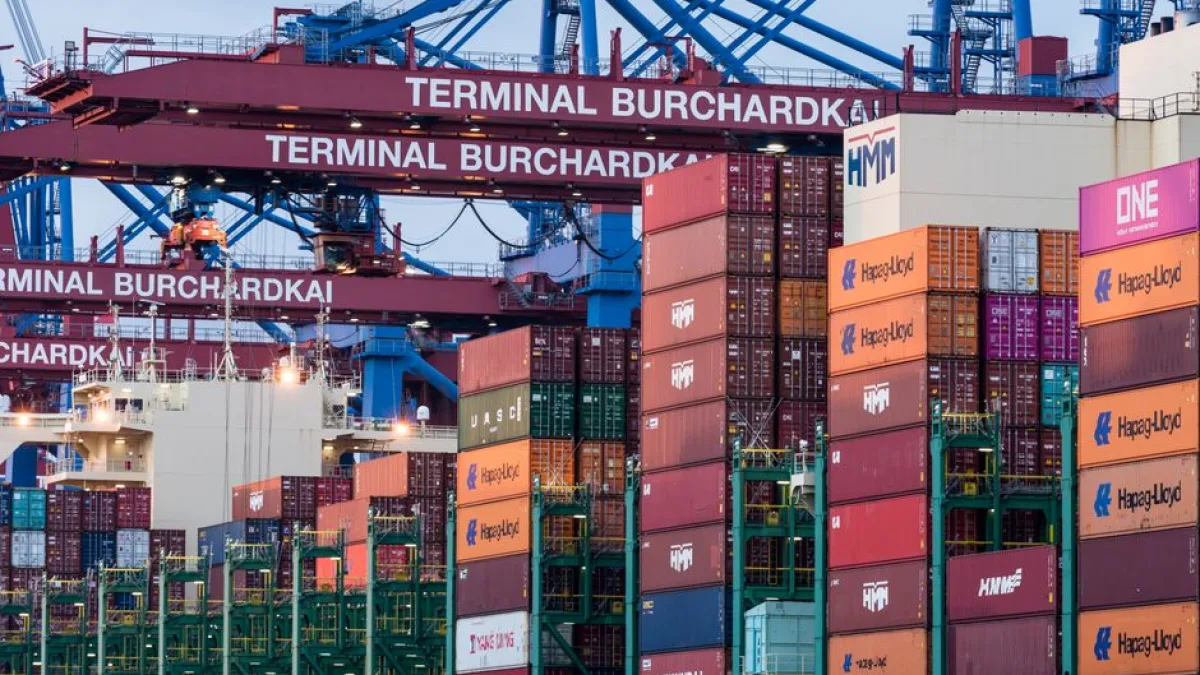
Mastering customs compliance is a continuous effort that requires the right combination of expertise, digital tools, and internal processes. By digitising your documentation and implementing proactive risk management strategies, you can ensure that your freight forwarding business remains compliant and efficient. Stay updated with regulatory changes to keep your operations running smoothly. Use these strategies today to build a stronger and more reliable logistics future.