Mastering Customs Compliance: A Strategic Guide for Freight Forwarders
Saturday, October 3 2026
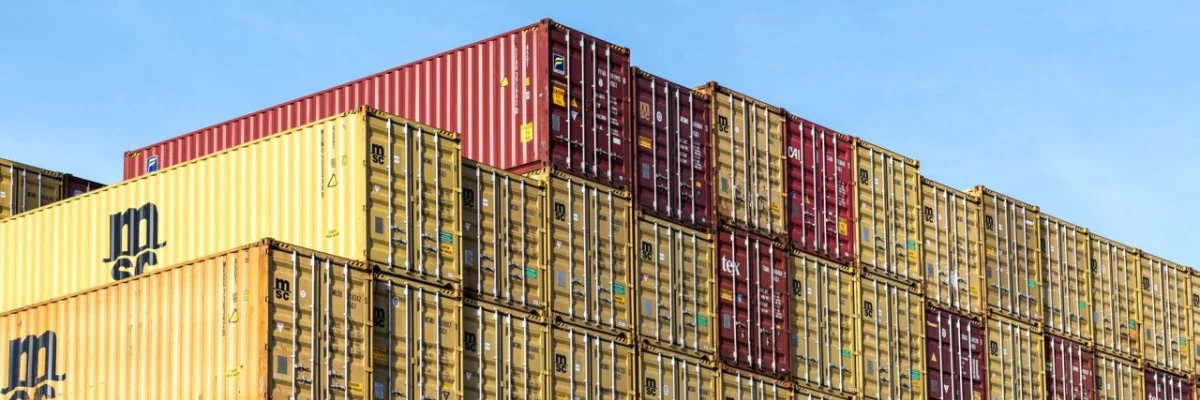
Navigating the intricate landscape of global trade regulations requires more than just logistical expertise. As a freight forwarder, you serve as the critical bridge between shippers and customs authorities, ensuring that goods traverse borders without unnecessary delays. Compliance is not merely a bureaucratic checkbox but a core operational pillar that determines the speed and reliability of your supply chain. By embracing digital integration and maintaining rigorous documentation standards, professionals can mitigate risks while enhancing their service offerings. This guide explores essential strategies to help your logistics business stay ahead of complex regulatory shifts and build lasting trust with your international partners.
Optimizing Regulatory Documentation Processes

Efficient document management remains the cornerstone of modern customs compliance efforts for global logistics companies. By digitizing your paperwork, you minimize manual errors and speed up data entry, ensuring that every shipment meets the specific requirements of destination countries without costly delays.
- Automated Data Validation: Utilize intelligent software to cross check shipment data against current customs regulations to prevent common errors that lead to penalties and long cargo inspection delays.
- Centralized Document Storage: Maintain a secure cloud repository for all commercial invoices, packing lists, and certificates of origin to facilitate quick audits and improve overall transparency for clients.
- Standardized Filing Protocols: Implement consistent internal procedures for every team member to ensure that documentation packages are always complete, accurate, and ready for submission to regulatory agencies globally.
- Electronic Customs Integration: Connect your logistics platform directly with government customs portals to enable real time status updates and seamless data transmission for faster cargo release times.
Adopting a robust digital framework transforms how your team interacts with regulatory agencies. When you centralize your workflow within a cloud platform, you gain visibility into every stage of the customs clearance process. This proactive approach significantly reduces the time spent on manual reconciliations, allowing your staff to focus on solving complex logistical challenges rather than correcting minor filing mistakes during peak shipping seasons.
Managing International Trade Risk Factors
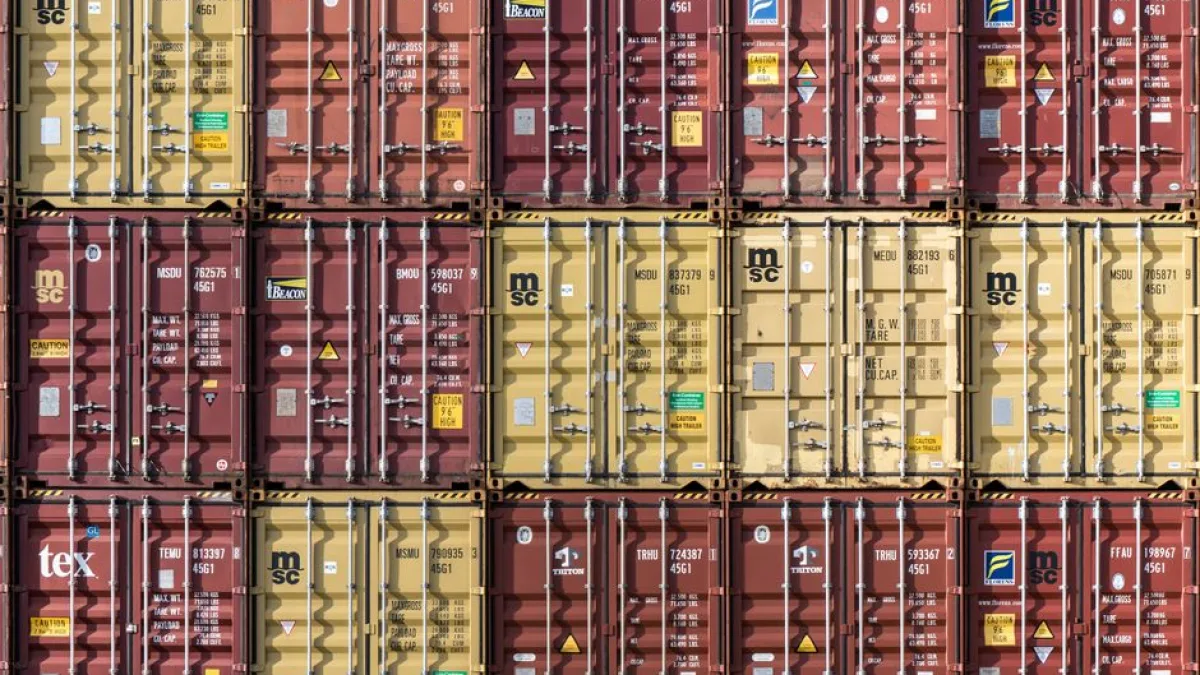
Strategic risk management involves identifying potential threats before they disrupt your supply chain operations. From changing tariff structures to updated local import laws, freight forwarders must proactively adapt their strategies to maintain compliance and protect their clients from unexpected financial losses.
- Dynamic Regulatory Monitoring: Establish a dedicated system to track changes in international trade policies that directly impact your specific trade lanes and commodity types under management.
- Verified Partner Screening: Conduct regular background checks on all third party carriers and suppliers to ensure they operate within legal frameworks and meet global security standards.
- Accurate Tariff Classification: Leverage advanced classification tools to ensure that every product is assigned the correct Harmonized System code, preventing significant fines from incorrect duty payments.
- Comprehensive Insurance Planning: Protect your business and clients by securing adequate cargo insurance that covers potential losses associated with customs seizures or regulatory non compliance events.
Managing risk effectively requires a balance between speed and precision in your daily shipping operations. By implementing these rigorous screening and classification strategies, you create a defensive layer that shields your business from volatile policy shifts. A well prepared forwarder is better positioned to navigate the complexities of global markets, ensuring that goods continue to move efficiently despite the many potential regulatory hurdles.
Building Strong Agency Relationships

Successful freight forwarding relies heavily on the quality of relationships with local customs authorities. By establishing open lines of communication and demonstrating a history of compliance, you can foster cooperation that simplifies the clearance process and streamlines operations for all stakeholders involved.
- Proactive Communication Channels: Develop strong professional connections with customs officials to resolve minor discrepancies quickly before they escalate into full blown operational crises or significant cargo delays.
- Regular Compliance Audits: Conduct internal reviews of your customs clearance records to identify weak points and demonstrate a commitment to transparency when interacting with local regulatory bodies.
- Professional Staff Training: Invest in regular education for your team so they remain updated on the latest compliance trends and build confidence when speaking with agency representatives.
- Transparent Reporting Practices: Maintain clear records of all dealings with customs offices to provide evidence of your commitment to following established legal procedures and ethical standards.
Strong relationships serve as a vital asset when unexpected issues occur at the border. When you consistently provide accurate information and respond promptly to requests, you build a reputation for reliability that pays dividends during audits. Maintaining this professional rapport is essential for long term growth, enabling your business to handle complex shipments with greater confidence and speed than competitors who lack these connections.
Leveraging Advanced Software Solutions

Modern cloud based software is the most effective tool for maintaining strict customs compliance in a fast paced industry. By integrating automated workflows into your business model, you reduce reliance on legacy systems and gain the agility required to manage large volumes of international trade documentation.
- Customizable Workflow Automation: Configure your logistics platform to trigger specific compliance checks based on shipment destination and product type to ensure nothing is missed during the process.
- Real Time Tracking Visibility: Monitor the movement of every shipment through customs stages to provide your clients with accurate updates and manage their expectations during delays.
- Scalable Cloud Infrastructure: Use cloud based tools that grow alongside your business, allowing you to add new lanes and compliance modules as your international reach continues expanding.
- Advanced Analytics Reporting: Analyze your customs performance data to identify bottlenecks and optimize your workflows for better efficiency, faster clearance times, and higher client satisfaction rates.
Investing in the right technology empowers your team to handle complex regulatory environments with ease. Software does not just organize your data, it acts as a strategic partner in your quest for operational excellence and total compliance. As global trade becomes more interconnected, the freight forwarders who utilize modern platforms will lead the industry, offering unmatched speed, reliability, and security to their clients.
Conclusion
Mastering customs compliance is a continuous journey that requires dedication, the right technology, and a commitment to professional excellence. By prioritizing accurate documentation, proactive risk management, and strong agency relationships, you position your logistics business for sustainable growth. Embrace these modern strategies today to streamline your operations, reduce costly errors, and provide superior service that your clients can trust in every international market.