Mastering Customs Compliance in Modern Freight Forwarding
Sunday, October 4 2026
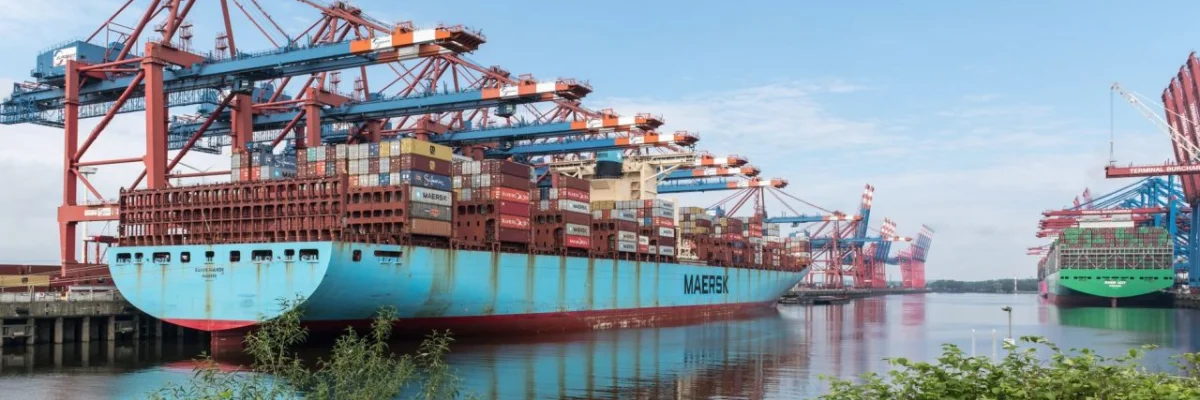
Navigating the complex landscape of international trade requires freight forwarders to stay ahead of ever-changing customs regulations. As global supply chains grow more intricate, the risk of non-compliance increases, potentially leading to costly delays, heavy fines, or damaged reputations. Modern digital tools are essential for managing documentation, ensuring accurate tariff classifications, and maintaining full transparency throughout the clearance process. By prioritizing robust compliance frameworks and leveraging automated freight forwarding software, logistics companies can minimize operational friction, satisfy rigorous government standards, and provide their clients with the reliable and efficient services necessary to succeed in a competitive global market.
Automated Documentation Management

Efficiently managing the vast amount of paperwork required for customs clearance remains a primary challenge for modern logistics firms. Digital solutions streamline data entry, reducing human errors while ensuring that all essential trade documents are readily accessible for regulatory inspection.
- Real-time Data Integration: Advanced software platforms allow for seamless syncing of shipment data across systems, ensuring that customs agents receive accurate, verified information without manual re-keying or document delays.
- Version Control Systems: Maintaining a single source of truth for all customs filings prevents common mistakes such as using outdated templates or incorrect regulatory forms for specific international jurisdictions.
- Automated Audit Trails: Digital logs provide a comprehensive history of every document version, signature, and submission, ensuring your firm remains audit-ready during spontaneous customs checks by government authorities.
- Electronic Signature Security: Implementing secure digital signature protocols accelerates the approval process by allowing stakeholders to authorize critical documents instantly while maintaining high levels of data integrity and protection.
By automating the manual aspects of document preparation, forwarders significantly reduce their overhead while increasing overall processing speed. This shift towards paperless operations not only improves compliance reliability but also enhances the professional experience for both internal teams and external shipping clients. Embracing this technological transition is necessary for any company aiming to scale operations while minimizing the administrative burden associated with international freight forwarding.
Advanced Tariff Classification Strategies

Accurate tariff classification determines the duties and taxes applicable to goods moving across borders. Leveraging automated classification tools helps forwarders avoid misclassification penalties, which frequently occur due to the rapid evolution of global harmonized system codes and local tax rules.
- Harmonized System Compliance: Specialized software engines automatically map products to the correct HS codes, ensuring that shipments comply with current international classification standards and local regulatory requirements for customs duty.
- Duty Rate Optimization: Intelligent platforms analyze global trade databases to identify potential duty savings through applicable free trade agreements or specific country-based tariff reductions for your unique cargo.
- Regulatory Change Alerts: Systems provide proactive notifications regarding updates to tariff schedules, ensuring your team is aware of legislative changes before they impact your current or future shipments.
- Integrated Database Access: Centralized access to global customs databases ensures that classification teams are always working with the most recent data provided by government customs agencies worldwide.
Precision in classification is the foundation of a successful compliance strategy that protects your company from unexpected financial penalties. When forwarders invest in tools that manage classification complexity, they demonstrate higher levels of reliability to their clients. Consistent accuracy minimizes the risk of shipment holds at border checkpoints, allowing for smoother logistics operations and stronger partnerships across the global shipping supply chain network.
Risk Mitigation and Compliance Audits

Continuous monitoring of internal processes is vital for identifying vulnerabilities before they become major compliance issues. Proactive risk management frameworks empower freight forwarders to detect deviations from standard protocols, allowing for immediate corrective actions that protect the integrity of shipments.
- Pre-clearance Validation Checks: Automated software runs validation rules against your customs declarations before they reach government portals, flagging potential errors that could trigger inspections or significant shipment delays.
- Exception Management Workflows: When a compliance issue arises, standardized workflows ensure the right experts are alerted immediately to resolve the discrepancy, keeping cargo moving through the supply chain efficiently.
- Vendor Compliance Tracking: Monitoring the performance and compliance history of carriers and partners helps identify high-risk nodes in your supply chain that might require closer supervision or corrective action.
- Regular Health Checks: Scheduled internal audits of digital data logs help leadership identify trends or recurring errors, fostering a culture of continuous improvement within the customs department operations.
Strategic risk management turns compliance from a defensive burden into a competitive advantage for your business. By consistently auditing workflows and validating data, firms can predict potential bottlenecks and resolve them before they impact service quality. This proactive approach reinforces trust with your customers and ensures that your operations remain fully aligned with the stringent requirements established by international customs authorities today.
Staff Training and Digital Literacy

Investing in the knowledge and digital proficiency of your staff is just as important as investing in software. A team that understands both the regulatory environment and the capabilities of their digital tools can handle complex customs scenarios with greater confidence.
- Continuous Learning Programs: Regular training sessions on the latest trade regulations keep your customs brokers informed about specific changes that impact their day-to-day work for diverse shipping clients.
- Software Proficiency Modules: Ensuring all staff members are fully trained on your platform features maximizes ROI and prevents technical errors during the critical customs filing process for shipments.
- Regulatory Knowledge Workshops: Hosting expert-led discussions on complex trade law scenarios prepares your team to handle difficult compliance situations and improves their overall professional decision-making skills in logistics.
- Culture of Compliance: Encouraging a team environment where staff feel empowered to report errors or suggest process improvements leads to stronger collective compliance practices and faster issue resolution.
Empowered employees are the best defense against compliance failures in the freight forwarding industry. When your staff combines deep regulatory understanding with mastery of digital logistics platforms, the entire company benefits from increased operational stability. Focusing on human development alongside technology ensures your firm stays resilient against the challenges of a constantly evolving global marketplace while maintaining high levels of service excellence.
Conclusion
Navigating customs compliance is a critical endeavor that demands a blend of advanced technology and professional expertise. By implementing automated software, focusing on accurate classification, and fostering a culture of continuous staff training, freight forwarders can effectively manage complex regulations. Success in this field requires constant vigilance and a commitment to operational efficiency. Utilize these insights to secure your firm and exceed client expectations.