Mastering Customs Compliance: A Modern Freight Forwarder Guide
Sunday, October 4 2026
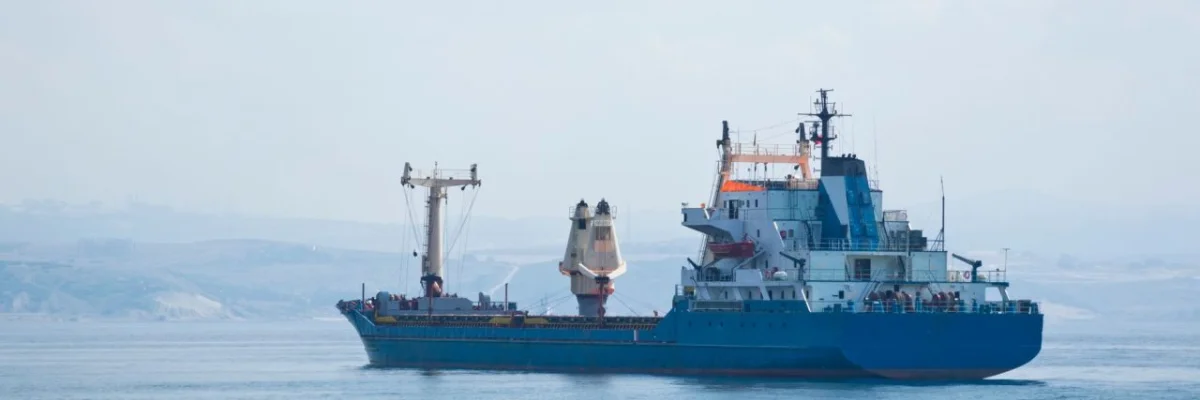
Global trade relies on the seamless movement of goods across borders, yet customs compliance remains the most significant hurdle for freight forwarders. With regulations shifting rapidly, manual processes are no longer sustainable for modern logistics operations. Firms that fail to prioritize accuracy in documentation and regulatory adherence risk costly delays, severe penalties, and long-term damage to their professional reputation. By embracing digital integration and proactive compliance strategies, forwarders can transform these complex legal requirements into a distinct competitive advantage. This guide explores the essential components for navigating international trade laws while maintaining operational excellence in an increasingly transparent and digitized global market environment.
Automating Trade Documentation

Automated documentation software transforms how logistics providers handle complex import and export filings by reducing human error. Digitizing your workflows ensures that every piece of data is verified, formatted correctly, and submitted to customs authorities without unnecessary manual data entry tasks.
- Real-time data validation: Advanced software tools instantly cross-reference shipment details against current government databases to identify inconsistencies before they escalate into formal compliance investigations or expensive shipment delays at customs.
- Centralized document management: Storing all commercial invoices and packing lists in a secure cloud environment provides your team with immediate access to essential files during sudden customs audits.
- Standardized data templates: Utilizing pre-configured templates for common trade routes minimizes the risk of missing mandatory fields, ensuring that your filings consistently meet the specific requirements of international authorities.
- Seamless system integration: Connecting your freight platform directly to national customs portals accelerates the clearance process by allowing for instantaneous communication and status updates on your shipments.
Transitioning to an automated documentation system does more than just save time during daily operations. It creates a robust audit trail that protects your firm during unexpected reviews by regulatory officials. By removing the guesswork from filing, you empower your staff to focus on high-value logistics challenges while the software ensures that your business remains compliant with the latest international trade statutes and regional laws.
Understanding Tariff Classification

Accurate tariff classification is the backbone of efficient customs compliance for any active freight forwarding organization. Incorrect HS code assignment leads to miscalculated duties, unnecessary financial audits, and significant transit disruptions that negatively impact your clients and overall supply chain flow.
- Precise code assignment: Experts use specialized tools to identify the exact Harmonized System codes for varied products, which prevents the financial consequences of incorrect tax and duty payments.
- Updating regulatory databases: Maintaining a subscription to live trade databases ensures your team always works with the most recent classification updates for every country in your network.
- Consultative client support: Offering expert advice on classification helps your customers avoid overpaying duties while ensuring they remain fully transparent with all relevant customs officials and local agencies.
- Reduced audit exposure: Rigorous attention to classification logic serves as your first line of defense during government inspections, showing authorities your commitment to high standards of operational compliance.
Mastering the intricacies of HS codes allows your freight forwarding company to act as a trusted advisor to your clients rather than a simple shipping service. When you consistently apply the correct classifications, you reduce the likelihood of border delays and establish your reputation as a reliable partner. This professional approach significantly lowers the risk of penalties while fostering long-term trust with shippers.
Managing Global Regulatory Changes

Navigating the complex landscape of international trade regulations requires a proactive strategy that keeps your business updated on regional and global legislative shifts. Staying informed allows your firm to pivot quickly when new policies are enacted by governments worldwide.
- Continuous monitoring services: Implementing automated alerts regarding policy updates allows your logistics team to adjust internal processes long before new regulations take effect at various borders.
- Regional compliance analysis: Deep research into specific market restrictions prevents your organization from accepting shipments that are prohibited or restricted under newly enforced international trade sanctions or treaties.
- Staff training programs: Regular workshops keep your operations team current on changing customs procedures, ensuring everyone understands how to navigate specific national laws without making costly mistakes.
- Strategic partner alignment: Working closely with legal experts ensures that your internal compliance manual reflects the current reality of international trade laws and global safety standards.
Adapting your operations to accommodate shifting trade policies is essential for maintaining a healthy business model. By treating compliance as a dynamic process rather than a static goal, you ensure that your logistics services remain resilient against external political and economic changes. This flexibility protects your clients from unexpected disruptions and ensures that your company remains a leader in the global shipping industry today.
Enhancing Operational Transparency
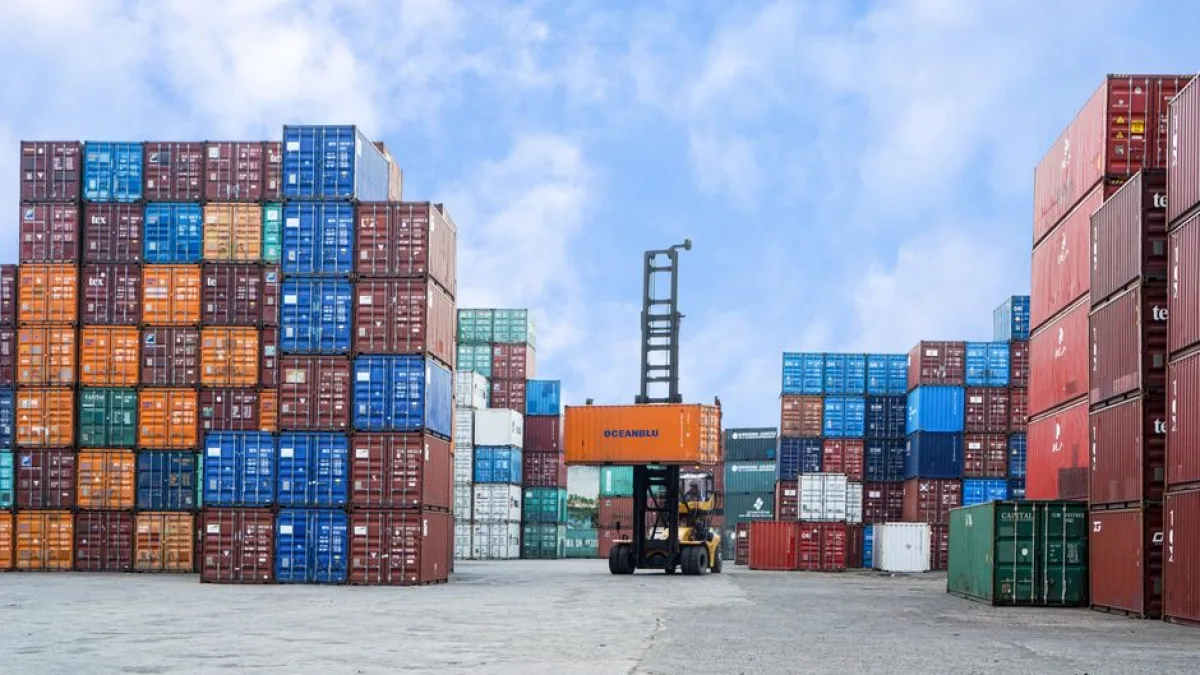
Transparency in logistics operations creates a safer and more efficient environment for all stakeholders involved in the global supply chain. Sharing accurate information with customs authorities early in the process helps expedite clearance times while minimizing the potential for suspicious activity alerts.
- Comprehensive shipment visibility: Utilizing cloud platforms to provide real-time updates allows your team to keep customs brokers and shippers informed about the exact status of goods.
- Detailed audit logging: Maintaining a granular record of every action taken on a shipment file provides clear evidence of due diligence if authorities ever query your processes.
- Standardized communication channels: Utilizing unified messaging within your freight software prevents critical information about customs documentation from being lost in email threads or disjointed physical paper systems.
- Proactive issue resolution: Identifying potential compliance hurdles during the booking phase enables your team to resolve issues before the cargo arrives at the port or customs house.
By fostering a culture of transparency, your freight forwarding company builds stronger relationships with customs agencies and business partners alike. Open communication reduces friction throughout the transit process, ensuring that your clients enjoy predictable delivery schedules. Ultimately, a transparent operation is a compliant operation, turning strict regulatory requirements into a smoother and more profitable experience for everyone involved in your logistics network.
Conclusion

Navigating the complexities of customs compliance is a vital necessity for success in the modern freight forwarding industry. By leveraging cloud-based software, maintaining accurate data, and prioritizing transparency, your firm can effectively manage risk and improve operational efficiency. Focus on these core pillars to transform your compliance strategy from a burden into a reliable engine for long-term growth, stability, and professional industry leadership.