Mastering Customs Compliance: A Modern Freight Forwarder Guide
Monday, October 5 2026
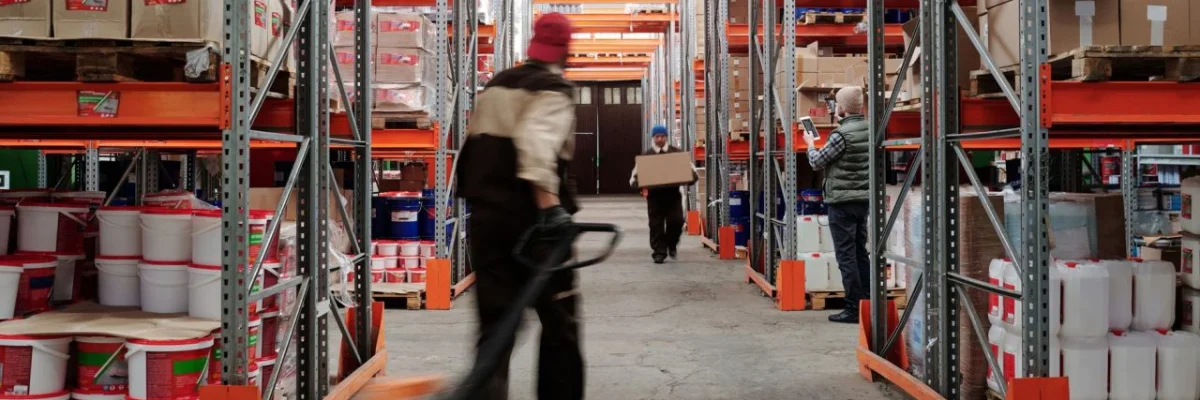
Global trade remains the backbone of the international economy, but its complexity grows daily due to shifting regulatory landscapes. For modern freight forwarders, maintaining strict customs compliance is no longer just a legal necessity but a strategic advantage that builds trust with clients. As digital transformation reshapes the logistics sector, leveraging cloud-based platforms to manage documentation and classification is vital. By automating manual tasks and ensuring data accuracy, forwarders can mitigate risks, avoid costly delays, and foster long-term partnerships. This guide explores essential pillars of customs management to help your firm thrive in an increasingly transparent and regulated world.
The Critical Role of Data Accuracy

Accurate data entry stands as the primary defense against administrative penalties and shipment delays during the clearance process. When forwarders prioritize data precision, they ensure that every entry perfectly matches the commercial invoice, packing list, and bill of lading documents.
- Automated Data Validation: Utilize modern software to check for discrepancies across documents before submission to authorities to minimize human errors that often lead to heavy financial penalties for forwarders.
- Classification Standard Consistency: Ensure that every product follows the Harmonized System codes strictly to avoid audit triggers that arise from incorrect tariff applications and duty rate miscalculations during inspections.
- Real-time Integration Systems: Connect your internal freight software directly to customs portals to ensure that the data flowing into your system is updated and verified immediately for total transparency.
- Documentation Digitization Standards: Move away from paper-based filing systems to encrypted cloud storage solutions that allow for rapid retrieval and audit readiness during sudden inspections by government trade agencies.
Maintaining high standards of data integrity across your operations reduces the probability of being flagged by customs officials. By adopting automated validation tools, your team can catch inconsistencies before they leave your office. This proactive stance protects your reputation, streamlines the customs release process, and provides your clients with the reliability they expect from a top-tier logistics partner in this fast-paced industry.
Navigating Evolving Trade Regulations

Trade policies often shift rapidly due to geopolitical tensions and domestic legislative changes, requiring forwarders to stay ahead of the curve. Constant monitoring of international trade laws is essential to adapt your operational workflows and avoid surprise regulatory enforcement actions.
- Regulatory Monitoring Tools: Implement automated alert services that notify your compliance team about new trade restrictions or tariff changes in specific lanes to ensure your operations remain fully compliant.
- Standardized Compliance Workflows: Develop internal processes that adjust automatically to new trade requirements to ensure that your freight moves without interruption despite constant changes in global policy regulations.
- Continuous Staff Training: Invest in regular workshops and training programs for your employees so they understand the latest updates in customs laws and feel confident executing complex clearance procedures.
- Strategic Partner Engagement: Maintain strong communication channels with local customs brokers and legal experts to stay informed about regional nuances that could impact your cross-border freight shipment movements.
Remaining agile in the face of shifting regulations is a hallmark of an expert forwarder. By integrating regulatory alerts directly into your daily operations, you ensure that your team is never caught off guard by sudden legislative updates. Investing in continuous education and strategic partnerships allows your firm to maintain a competitive edge, turning complex compliance challenges into a reliable service for your customers.
Leveraging Technology for Compliance

Cloud-based freight software has revolutionized how forwarders manage compliance by offering centralized control and unprecedented visibility. Moving manual processes to a digital environment minimizes the risk of lost documents and ensures that every stakeholder has access to the correct information.
- Centralized Documentation Repositories: Store all customs declarations, licenses, and certificates in one secure cloud location that allows your team to access vital information from any location at anytime.
- Automated Audit Trails: Create permanent records of every change made to a file, which proves invaluable during post-entry audits conducted by national authorities to verify your firm's internal controls.
- Advanced Workflow Automation: Use smart automation features to trigger tasks such as document review or submission milestones, ensuring no step in the compliance cycle is missed by staff.
- Client Portal Visibility: Provide your clients with a transparent view of their compliance status through secure portals that build trust and reduce the number of status inquiries daily.
Adopting advanced technology transforms compliance from a manual burden into a streamlined part of your workflow. Modern platforms offer features that automatically flag missing data and track submission status in real-time. By centralizing these functions, you reduce overhead costs and eliminate the chaos of managing fragmented information, allowing your team to focus on growing your business while keeping all shipments securely compliant.
Building Strong Customs Partnerships

Success in customs management relies heavily on the strength of your professional relationships with agents, port officials, and carriers. Building a network based on reliability and transparency helps smooth out the process when issues arise or during periods of high shipping volume.
- Vetted Agent Networks: Build a network of trusted customs brokers in every destination port to ensure that your shipments receive expert handling and meet local regulatory requirements effectively.
- Transparent Communication Channels: Establish clear and consistent communication with your partners to resolve clearance disputes quickly before they escalate into significant delays that impact your client delivery schedule.
- Collaborative Problem Solving: Work closely with stakeholders to identify recurring compliance issues and develop joint strategies that prevent those problems from affecting future shipments across your trade lanes.
- Performance Metric Reviews: Hold periodic meetings with your partners to review their performance metrics and ensure they are meeting your high standards for documentation accuracy and timeliness.
Effective partnerships form the final pillar of a robust customs compliance strategy. By focusing on building long-term, high-quality relationships rather than simple transactions, you create a support system that can handle the complexities of global trade. These partnerships ensure that you have local experts working on your behalf, providing you with a deeper layer of security and the capability to solve issues efficiently.
Conclusion
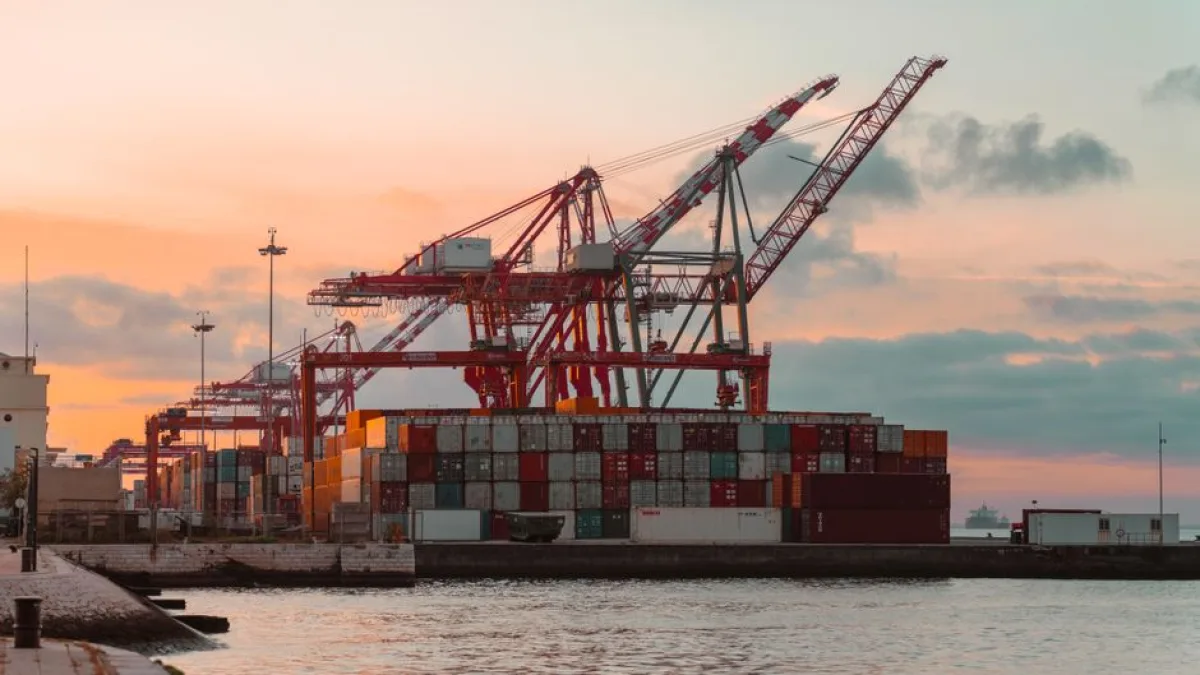
Mastering customs compliance is an ongoing journey that requires the right blend of technology, knowledge, and strong partnerships. By focusing on data accuracy, staying updated on regulations, and leveraging cloud-based platforms, you can transform compliance from a risk factor into a core business strength. Start optimizing your customs processes today to deliver superior service, build client trust, and ensure the long-term success of your forwarding firm.