Mastering Customs Compliance in Modern Freight Forwarding
Tuesday, October 6 2026
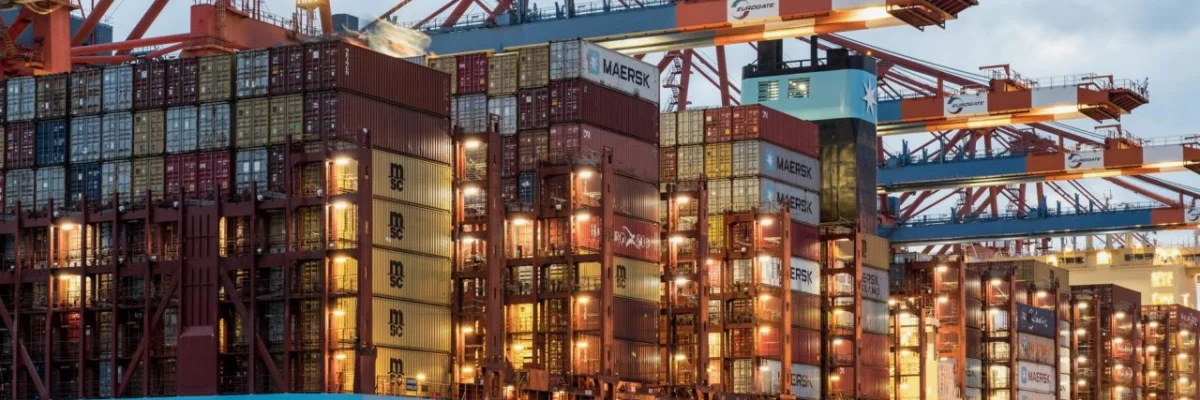
Global trade complexity is rising at an unprecedented pace, forcing freight forwarders to prioritize accuracy and transparency in their customs operations. Regulations shift frequently, leaving little room for error when moving goods across international borders. For logistics professionals, staying ahead means moving beyond manual processes toward automated digital solutions that integrate directly with customs authorities. By digitizing documentation and enhancing data precision, companies reduce the risk of costly penalties and shipment delays. At MakeCargo, we understand that compliance is the backbone of successful logistics. This guide explores essential strategies to help your team navigate today's challenging regulatory landscape with complete confidence.
Automating Customs Documentation

Transitioning from paper-based workflows to digital documentation is the most effective way to improve accuracy. Automated systems capture shipment data directly from source documents, minimizing human error and ensuring that every filing is consistent with actual cargo details for authorities.
- Real-time Data Sync: Automated platforms ensure that customs brokers have instant access to the latest shipment data, preventing the fragmentation of information that often leads to compliance reporting failures.
- Standardized Filing Templates: Using pre-configured templates for recurring customs forms helps your team maintain uniformity while significantly reducing the time spent on manual data entry for every shipment.
- Error Detection Algorithms: Modern software identifies missing information or mismatched tariff codes before submission, allowing your staff to correct issues early and avoid the sting of customs penalties.
- Audit Trail Integrity: Maintaining a secure and searchable digital archive of all customs documents ensures your business is fully prepared for random audits or investigations by regulatory bodies.
- Electronic Submission Integrations: Directly connecting your platform to customs systems enables rapid document submission, which accelerates the clearance process and keeps your supply chain moving without unnecessary bottlenecks or delays.
Digital transformation is no longer a luxury but a necessity for forwarders who handle high volumes of international traffic. By eliminating manual data entry tasks, you empower your staff to focus on complex clearance issues that require human expertise. This proactive approach saves substantial overhead costs while building trust with clients who rely on your firm for timely and reliable customs clearance services.
Understanding Tariff Classification
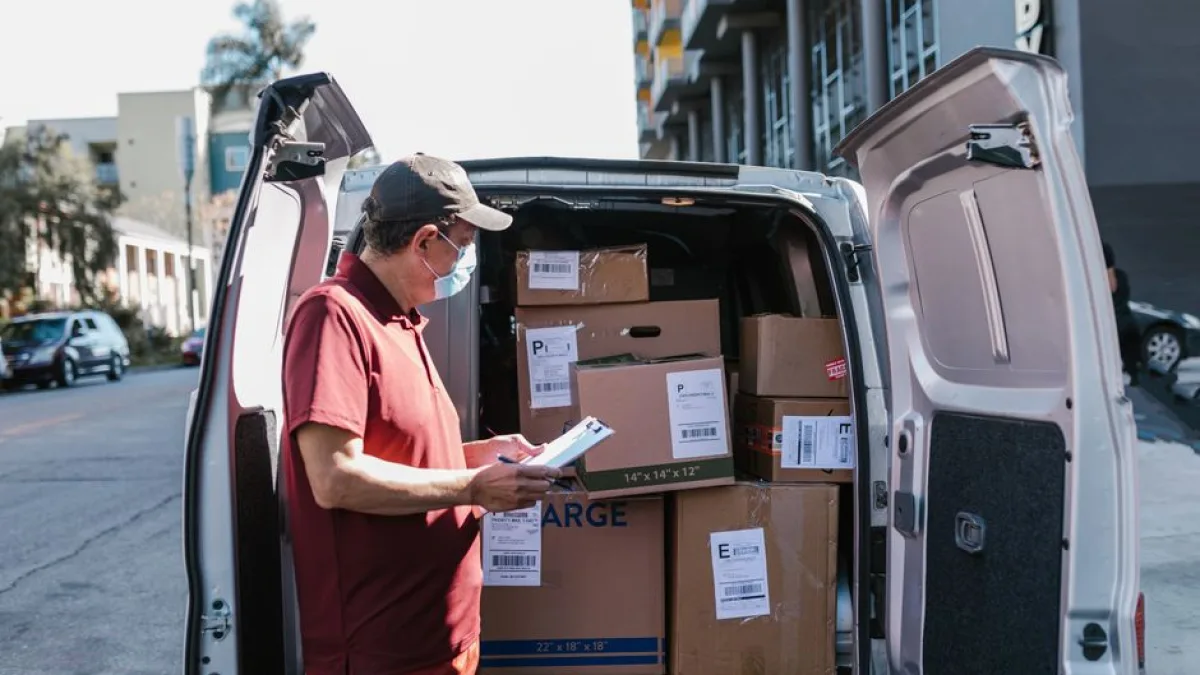
Proper tariff classification determines the duties and taxes applied to imports, making it a critical aspect of international compliance. Misclassifying goods can lead to significant financial consequences and legal scrutiny from tax authorities, necessitating rigorous internal verification processes for every shipment.
- Harmonized System Compliance: Ensuring your internal database aligns with the latest Harmonized System codes is crucial for preventing disputes with border officials regarding the correct duty rates for imports.
- Product Database Management: Maintaining a centralized product repository allows your team to store approved classifications, making it simple to retrieve accurate data for recurring cargo types during processing.
- Expert Review Workflows: Implementing internal approval steps where senior specialists verify complex classifications ensures that high-risk goods are correctly identified before they reach the national border authorities.
- Dynamic Duty Calculation: Advanced software tools update duty rates in real-time, providing your clients with transparent and accurate cost estimates that reflect current regulatory requirements for global markets.
- Continuous Staff Training: Keeping your operations team informed about new trade agreements and classification changes helps them stay compliant while providing value-added advisory services to your global clients.
Accurate classification is the foundation of a healthy supply chain strategy for any freight forwarder. When you invest in tools that simplify the complex world of tariff codes, you significantly reduce the risk of legal complications. This level of precision provides a competitive edge, demonstrating that your business operates with high standards and deep technical knowledge of the complex global trade environment.
Managing Regulatory Trade Compliance

Trade compliance encompasses a broad spectrum of regulations ranging from export controls to restricted party screening. Forwarders must actively monitor these shifting legal requirements to protect their reputation and avoid severe sanctions that could threaten their business operations and licensure globally.
- Restricted Party Screening: Automated screening tools check every stakeholder in your supply chain against international watchlists to ensure you never engage with blacklisted entities or sanctioned trade regions.
- Export Control Monitoring: Advanced compliance software monitors dual-use goods and export restrictions, providing alerts when a shipment requires special licenses or additional regulatory oversight before international departure.
- Country Specific Regulations: Maintaining a digital library of regional customs requirements helps your team navigate unique legal hurdles in diverse markets, ensuring seamless entry for all international goods.
- Proactive Risk Alerts: Receiving instant notifications about changes in global trade policies allows your operations team to adjust their strategies immediately, maintaining compliance without disrupting the flow of shipments.
- Policy Documentation Storage: Keeping all trade licenses and regulatory certificates in a centralized cloud platform allows for quick retrieval when requested by border officials during transit inspections.
Navigating the web of international trade laws requires a blend of advanced technology and constant vigilance. By integrating automated compliance checks into your standard operating procedures, you remove the guesswork from your logistics operations. This creates a secure environment for your business, ensuring that every shipment meets legal standards while you maintain a positive relationship with regulatory agencies around the world today.
Optimizing Supply Chain Transparency
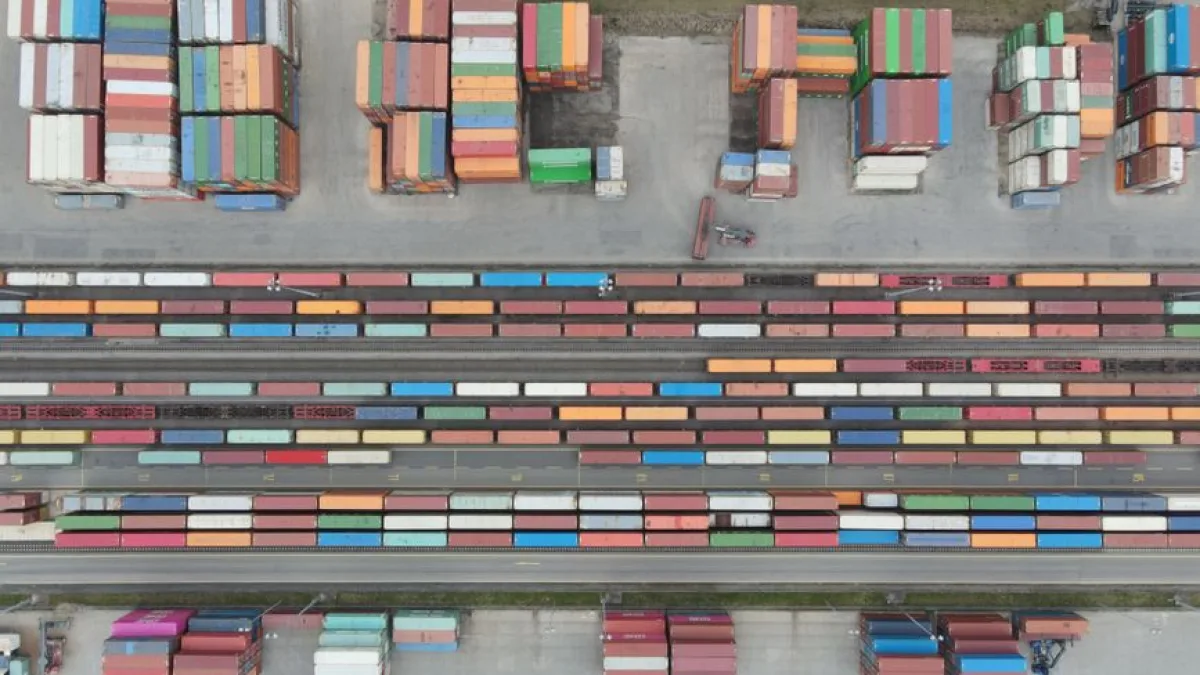
Transparency in the supply chain provides the visibility required to manage customs processes effectively from start to finish. When stakeholders have access to real-time status updates, they can respond quickly to document requests, which prevents costly dwell times and improves the overall speed of cargo clearance.
- Shared Stakeholder Portals: Providing clients with secure access to their shipment status encourages better communication and ensures that required customs documentation is uploaded and processed in a timely manner.
- Automated Status Alerts: Sending proactive notifications to partners when a shipment enters the customs clearance phase helps stakeholders plan their logistics activities and resolve issues before they escalate.
- Performance Analytics Dashboard: Reviewing key performance indicators regarding clearance times allows management to identify systemic bottlenecks and implement improvements that enhance your operational efficiency and overall service delivery standards.
- Document Collaboration Tools: Using shared digital workspaces for customs forms allows multiple team members to edit and approve files, reducing the cycle time for complex multi-party document submissions.
- Integrated Tracking Systems: Combining customs clearance status with freight tracking data creates a comprehensive view of the supply chain, enabling better planning for onward transport after official release.
Visibility is the key to creating a resilient supply chain that can withstand the pressures of modern global commerce. When you provide clear information to your team and clients, you reduce anxiety and enhance the reliability of your services. Investing in platform-based transparency allows your freight forwarding business to scale effectively while maintaining high standards of service throughout every stage of delivery.
Conclusion

Mastering customs compliance is an ongoing journey that requires the right combination of expert knowledge and robust digital tools. By automating your documentation, refining your classification processes, and focusing on total supply chain transparency, you position your business for long-term growth and success. MakeCargo provides the cloud-based foundation your team needs to thrive in this demanding industry. Contact our support experts today.