Mastering Customs Compliance in Modern Freight Forwarding
Wednesday, October 7 2026
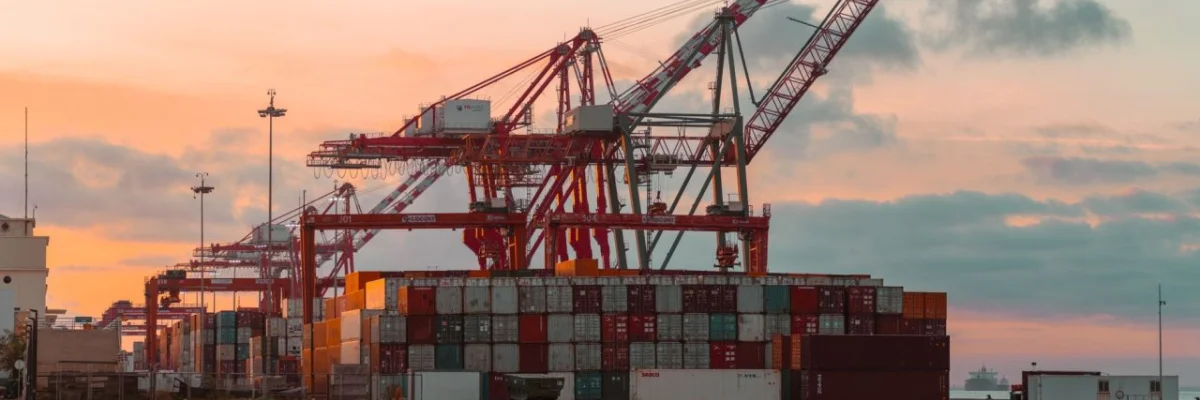
Global trade complexity is rising at an unprecedented pace, forcing freight forwarders to prioritize accuracy in their customs documentation. As international regulations shift and governmental agencies increase scrutiny on cross-border transactions, the margin for error effectively disappears. Forwarders must now navigate a landscape of digital declarations, complex tariff classifications, and rigorous security audits to ensure cargo flows without interruption. Relying on outdated manual processes or disconnected spreadsheets creates significant risk for your operational efficiency and client reputation. This guide explores how embracing automation and digital best practices can help your firm master customs compliance while maintaining a competitive advantage in a demanding logistics market.
Streamlining Documentation Workflows

Managing customs paperwork requires absolute precision to prevent costly delays at border checkpoints. Digital workflows minimize the risk of human error by standardizing data collection and enabling real time communication between brokers, shippers, and governmental authorities during the entire clearance process.
- Centralized Data Management: Consolidating all shipping documents into a unified cloud platform allows teams to access information instantly while reducing the administrative burden of searching through fragmented email communication threads.
- Automated Validation Checks: Software tools can automatically cross reference shipment details against national databases to ensure that all HS codes and duty calculations meet the current legal standards.
- Real Time Tracking: Integrating status updates directly into your client dashboard provides immediate visibility into the clearance process so that proactive adjustments can be made before issues escalate further.
- Secure Cloud Storage: Digital archiving systems ensure that all records remain compliant with international audit requirements for seven years while protecting sensitive client data through robust encryption and protocols.
Adopting a centralized digital approach allows your firm to handle higher volumes of cargo without sacrificing the quality of your compliance efforts. When your team spends less time hunting for misplaced documents and more time analyzing exceptions, you achieve higher levels of throughput. This transition fosters stronger relationships with clients who demand transparency and reliability in every single stage of the modern global supply chain.
Navigating Evolving Tariff Regulations

Tariff schedules change frequently, making it essential for forwarders to stay updated on current trade policies. Implementing automated alerts keeps your operations aligned with the latest duty rates, preventing sudden financial surprises that could disrupt your clients profit margins significantly.
- Dynamic Rate Updates: Automated systems pull live data from customs agencies to ensure your duty calculations are always based on the most accurate and current tariff schedules available.
- HS Code Accuracy: Utilizing intelligent lookup tools helps your staff select the correct commodity codes quickly, which reduces the likelihood of audits or penalties resulting from misclassification errors.
- Regional Trade Compliance: Dedicated modules within your software track specific regional trade agreements and preferential duties to ensure your customers take advantage of every possible cost saving opportunity.
- Proactive Compliance Alerts: Receive instant notifications whenever a regulatory change affects your current shipments, allowing you to notify clients and update documentation before the cargo reaches the border.
Staying ahead of regulatory shifts is the hallmark of a professional freight forwarding service. By leveraging technology to monitor policy changes, your team can act as a strategic advisor rather than just a logistical provider. This value added approach turns a difficult compliance task into a powerful tool for client retention, showing your partners that you are constantly looking out for their bottom line.
Mitigating Risks Through Audits

Customs audits are a reality for any active freight forwarding business, requiring comprehensive record keeping. A well organized digital audit trail acts as your strongest defense when authorities request verification of your declarations, ensuring that every shipment is backed by documented proof.
- Historical Record Access: Instantly retrieve complete shipment histories including commercial invoices, packing lists, and correspondence to provide evidence during any routine customs examination or external compliance review sessions.
- Standardized Audit Trails: Every action taken within your platform is logged with a timestamp, ensuring total accountability and transparency for every modification made to a customs entry file.
- Consistency in Reporting: Uniform reporting templates ensure that your submissions to customs officials always follow a predictable format, which speeds up processing times and lowers error rates.
- Internal Compliance Reviews: Regularly scheduled digital reports help managers identify patterns of potential non compliance, allowing for quick corrective action before those issues lead to formal government sanctions.
Proper preparation transforms the audit process from a source of stress into a routine demonstration of professional excellence. When your documentation is perfectly categorized and easily accessible, you build trust with customs officials and reduce your overall risk profile. Invest in systems that prioritize transparency to ensure your business remains resilient against unpredictable regulatory scrutiny and the persistent threat of heavy financial penalties.
Building Resilience with Automation

Automation is the future of resilient freight forwarding, moving the industry away from error prone manual entry. Modern cloud platforms enable a scalable infrastructure that grows with your business, ensuring that your compliance capabilities remain robust even during times of rapid expansion.
- Seamless System Integration: Connect your forwarding software directly to national customs portals to eliminate double entry of data and ensure that information is synchronized across all operating systems.
- Predictive Risk Analytics: Analyze historical shipment data to identify common bottlenecks or documentation gaps, allowing your team to proactively resolve recurring issues before they impact future trade flows.
- Scalable Cloud Infrastructure: Cloud based systems accommodate spikes in your shipment volume without requiring additional hardware or complex internal server maintenance, keeping your compliance workflows running smoothly always.
- User Access Controls: Manage permissions for different team members to ensure that sensitive customs data is only accessible to authorized personnel, maintaining security and integrity throughout the firm.
By automating repetitive tasks, your staff can focus on the complex human element of customs management that software cannot replicate. This synergy between technology and expertise creates a highly efficient operation capable of handling the most difficult border challenges. Start evaluating your current software stack today to see how these improvements can drive your logistics business toward a more sustainable and profitable future.
Conclusion

Mastering customs compliance is an ongoing journey that requires both the right digital tools and a commitment to operational excellence. By focusing on documentation accuracy, staying ahead of regulatory changes, and leveraging automation, your freight forwarding business will thrive in a complex global market. Implement these strategies today to build a more secure, efficient, and reliable logistics operation for your clients worldwide.