Mastering Customs Compliance in Modern Freight Forwarding
Wednesday, October 7 2026
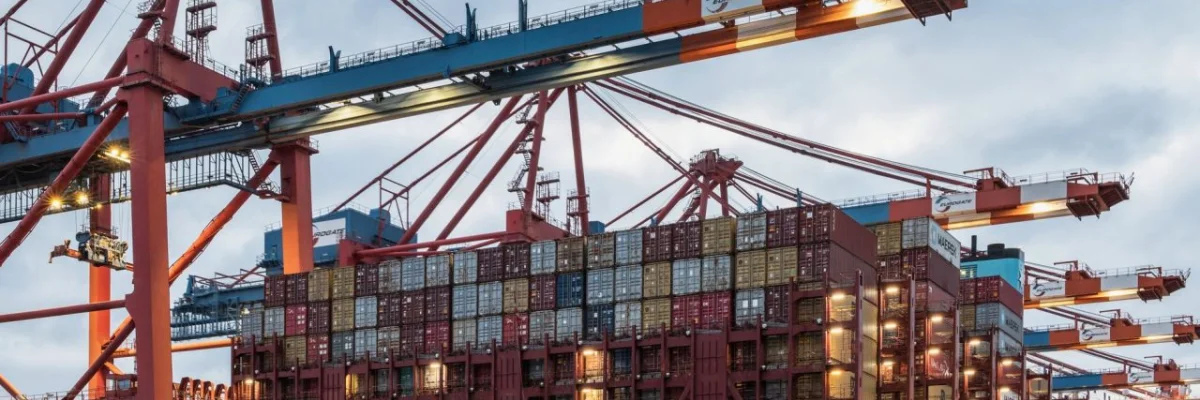
Navigating the complex landscape of global trade requires freight forwarders to maintain rigorous standards of customs compliance. As supply chains become increasingly digitised, the pressure to ensure accurate declarations and timely filings has never been greater. Regulatory bodies now demand higher transparency, making manual processes a liability for logistics firms. By leveraging cloud-based platforms, forwarders can automate workflows and minimize the risk of costly penalties. Achieving operational excellence depends on your ability to integrate compliance into every stage of the shipment lifecycle. This article explores essential strategies to help your logistics business stay ahead of global customs regulations and avoid disruptions.
The Role of Data Integrity

Data serves as the foundation for every customs declaration, and even minor inconsistencies can trigger significant delays or audits. Ensuring that every piece of shipment information is accurate and standardized is essential for maintaining a seamless workflow and avoiding regulatory scrutiny.
- Consistent Data Entry: Implement strict validation rules within your software to ensure that all data fields are populated correctly before any customs documentation is submitted to the authorities.
- Automated Validation Checks: Use built-in system alerts that flag mismatched HS codes or invalid weight entries to prevent errors from traveling further down the logistics chain workflow.
- Digital Documentation Trails: Maintain a centralized digital repository where every invoice, packing list, and permit is stored securely to provide full visibility for any future audits.
- Standardized Partner Communication: Establish clear communication protocols with your carriers and suppliers to ensure that the data they provide aligns perfectly with your internal filing requirements.
By prioritizing data integrity, your firm builds a robust defense against customs non-compliance. Automated systems reduce the human element that often leads to transcription errors, thereby streamlining the entry process for international shipments. When your data is pristine, customs officials can process your declarations with confidence, leading to fewer inspections and significantly reduced dwell times at ports and border crossings globally.
Navigating Harmonized System Codes

Classifying goods using the correct Harmonized System codes is a critical aspect of international trade that determines your duty rates and licensing needs. Mistakes in this area can lead to heavy fines, shipment seizures, and damaged relationships with key clients.
- Advanced Classification Tools: Utilize specialized software modules that provide updated global databases to ensure your team selects the most accurate codes for every product category.
- Regular Staff Training: Conduct frequent workshops and training sessions to keep your operations team informed about updates to the international Harmonized System nomenclature and requirements.
- Internal Audit Reviews: Perform periodic reviews of past entries to identify potential misclassifications and implement corrective measures before the customs authorities initiate an official compliance audit.
- Client Education Programs: Assist your customers in understanding their product specifications so that they provide the correct details needed for accurate classification and duty payment calculations.
Proper classification is not just about avoiding penalties; it is about providing strategic value to your shipping clients. By ensuring accurate HS code usage, you help importers manage their duty costs more effectively and maintain compliance across multiple jurisdictions. This level of professional rigor establishes your firm as a trusted expert, which is a major competitive advantage in the modern freight forwarding market.
Leveraging Cloud Technology

Modern cloud platforms have revolutionized how freight forwarders handle customs compliance by offering real-time collaboration and secure storage. Moving away from legacy systems allows teams to work from anywhere while maintaining complete control over sensitive shipping information and compliance documents.
- Real-Time Visibility: Access live updates on shipment status and document processing to provide your clients with transparent insights into their cargo movement through customs checkpoints.
- Automated Workflow Integration: Connect your customs filing modules directly with your freight management system to ensure that information flows seamlessly without the need for manual re-entry.
- Secure Cloud Hosting: Benefit from enterprise grade security protocols that protect your sensitive trade data from cyber threats while ensuring it remains available for audits.
- Scalable Filing Capacity: Expand your operational capacity instantly by using cloud tools that handle spikes in shipment volume without requiring additional hardware or manual maintenance.
Cloud technology empowers forwarders to scale their operations while tightening their grip on compliance procedures. By automating repetitive tasks, your staff can focus on high-value activities like exception management and client consulting. This shift towards digital agility ensures that your business stays resilient during market fluctuations while consistently meeting the evolving demands of customs authorities and international trade regulatory bodies around the world.
Preparing for Regulatory Changes
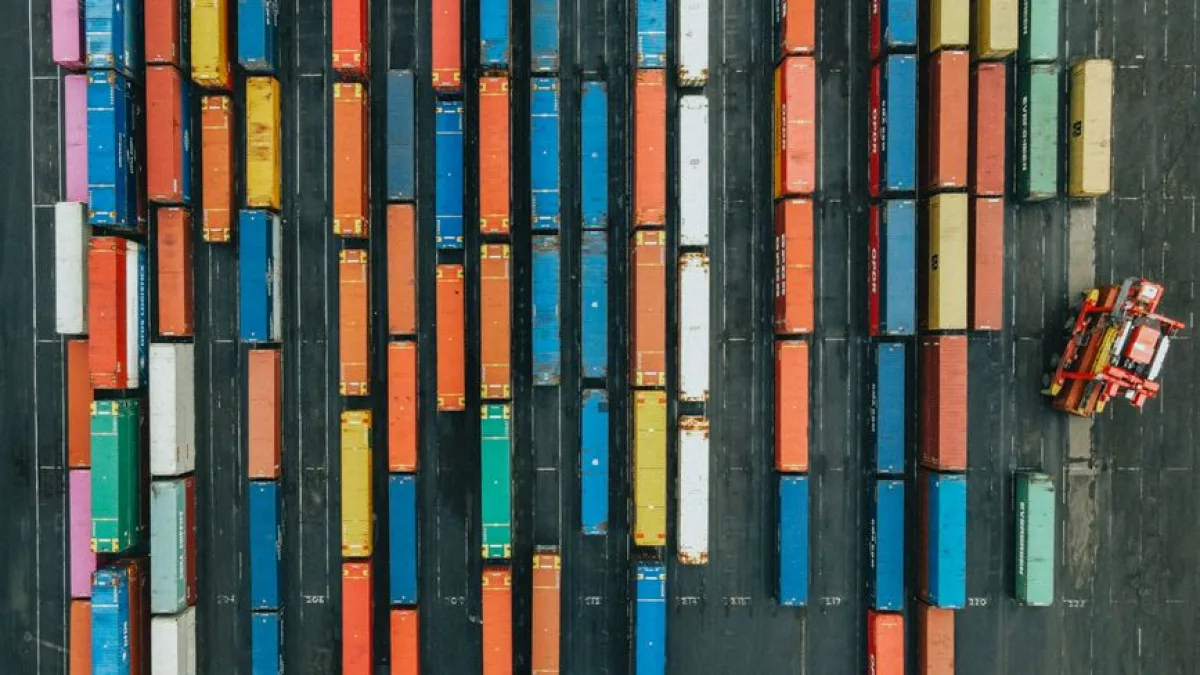
Global trade regulations are in a constant state of flux, influenced by geopolitical shifts and new environmental standards. Forwarders must adopt a proactive approach to remain informed about these changes to avoid sudden operational disruptions or compliance failures.
- Regulatory Alert Systems: Subscribe to professional trade news feeds and government portals that provide instant notifications regarding changes in customs laws or new international trade restrictions.
- Dynamic Compliance Calendars: Use digital calendars to track upcoming regulatory deadlines and policy shifts to ensure your team has enough time to adapt their procedures accordingly.
- Proactive Risk Assessment: Evaluate how new trade policies might impact specific trade lanes and develop contingency plans to mitigate potential delays for your clients shipping those routes.
- Cross-Border Collaboration: Build a network of local customs brokers and legal experts who can provide nuanced insights into regional regulations and help navigate complex local requirements.
Staying ahead of the regulatory curve is essential for maintaining your competitive edge in the logistics sector. Rather than reacting to problems as they arise, proactive firms position themselves to handle change with minimal impact on their service delivery. This strategic foresight protects your reputation and ensures that your clients can trust you to navigate even the most challenging international trade environments successfully.
Conclusion

Mastering customs compliance is a continuous journey that requires the right combination of expert knowledge, disciplined processes, and powerful technology. By prioritizing data accuracy, precise classification, and cloud integration, you position your freight forwarding business for long-term growth and stability. Start optimizing your compliance workflows today to reduce risk, enhance client satisfaction, and ensure your logistics operations remain efficient in an increasingly complex global marketplace.