Mastering Customs Compliance in Modern Freight Forwarding
Friday, October 9 2026
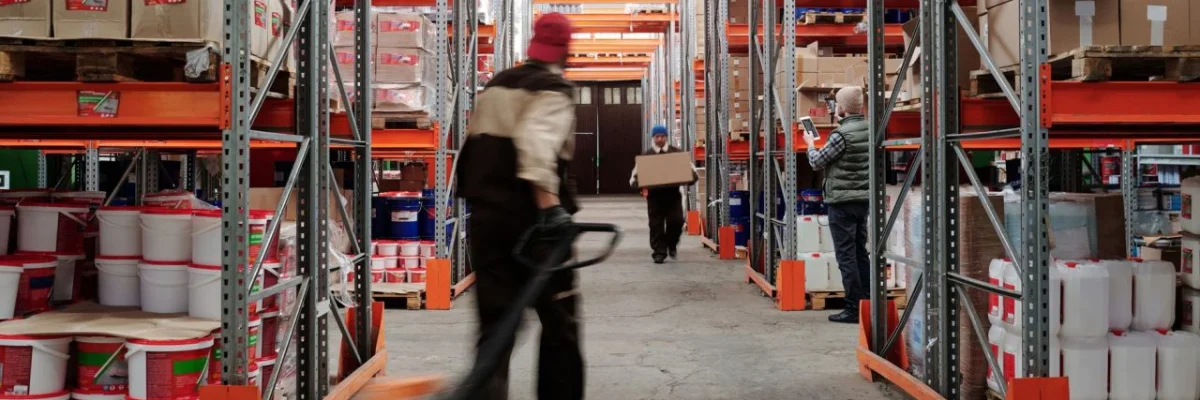
Navigating the complex landscape of global trade regulations requires precision and foresight to avoid costly delays at the border. As modern freight forwarders manage increasingly intricate supply chains, customs compliance has transitioned from a manual task into a sophisticated digital operation. Regulatory frameworks are constantly evolving, placing immense pressure on logistics teams to maintain perfect accuracy in documentation and classification. By leveraging cloud-based technology, firms can transform their compliance process from a reactive hurdle into a competitive advantage. This guide outlines how your business can optimize workflows and ensure long-term stability within the ever-changing international trade environment.
Automated Classification Systems

Modern classification relies on automated systems to ensure that every shipment follows the correct Harmonized System codes. These digital tools eliminate human error while drastically increasing processing speed during the entry phase of your logistics workflow across global borders.
- Code accuracy verification: Intelligent algorithms cross-reference product descriptions against local tax databases to ensure that your classification codes remain compliant with the latest jurisdictional requirements and international trade standards.
- Real-time database updates: Cloud systems automatically pull the most recent tariff updates from government portals so that your team always works with the latest duty rates available.
- Historical data tracking: Maintain a centralized log of all previous product classifications to ensure consistency and speed when processing recurring shipments for your most valuable freight clients.
- Audit readiness reporting: Generate comprehensive reports at the touch of a button to demonstrate historical compliance to regulatory officials during any potential routine customs audits or inquiries.
Adopting these automated systems reduces manual data entry and minimizes the risk of penalties. Your staff can focus on managing exceptions rather than correcting simple classification errors. This digital shift ensures that your customs operations remain scalable as your freight volume grows over time. By centralizing your data in the cloud, you create a robust foundation that supports consistent growth across international borders.
Digital Documentation Management

Managing vast amounts of paperwork is a central challenge for freight forwarders working in highly regulated industries. Digital documentation platforms allow your team to capture, store, and transmit essential shipping data securely while maintaining full compliance with agency standards.
- Instant file indexing: Automatically categorize incoming bills of lading and invoices to ensure that every document is stored in the correct project folder for rapid retrieval purposes.
- Encrypted file sharing: Protect sensitive client information by using secure cloud portals that allow authorized parties to access necessary files while maintaining strict industry privacy standards.
- Cloud access agility: Enable your remote staff to access essential customs documentation from any location globally, ensuring that operations continue without any interruption or geographical delays.
- Document version control: Track every single modification made to your shipping manifests to prevent confusion and ensure that the most accurate version is submitted to authorities.
Transitioning to digital document management minimizes the risk of losing critical paperwork during transit. By providing a clear trail of evidence for every transaction, you safeguard your business against potential legal liabilities. This transition to paperless workflows not only reduces physical storage costs but also significantly speeds up the release times for cargo moving through various international port checkpoints daily.
Risk Mitigation Strategies

Proactive risk management is essential for freight forwarders looking to protect their reputations and financial health. By identifying potential compliance pitfalls before they cause delays, your team can maintain a smooth and efficient flow of goods across international trade borders.
- Dynamic risk monitoring: Use predictive analytics to flag shipments that feature high-risk characteristics, such as specific commodity types or volatile routes, allowing for early intervention strategies.
- Partner vetting tools: Systematically evaluate your vendors and carriers against global watchlists to ensure that every party in your supply chain meets international compliance standards.
- Compliance training modules: Standardize your internal knowledge base by providing regular digital training updates to your staff regarding shifting international laws and specific local regulations.
- Contingency planning protocols: Establish pre-defined action plans for handling customs holds to ensure that your team remains calm and efficient during unexpected regulatory roadblocks or audits.
Implementing these risk strategies turns potential operational threats into manageable tasks for your team. You gain the ability to provide clients with reliable service despite the volatility of global markets. Strengthening your compliance posture builds long-term trust with both customers and regulatory agencies. This reliable reputation becomes your primary asset, helping your business secure new contracts and maintain high levels of client retention.
Technology Integration Benefits

Integrating your customs software with your core logistics platform creates a seamless flow of information that drives efficiency. This connectivity ensures that your data remains synchronized, reducing the need for duplicate entry and minimizing errors across your entire freight network.
- Seamless system synchronization: Connect your customs portal directly with your existing transportation management system to automate data transfer and prevent inconsistencies between different software platforms today.
- API data connectivity: Utilize advanced API integrations to pull shipping data automatically, which significantly reduces the manual effort required for generating complex customs declaration forms annually.
- Efficiency gain tracking: Measure the productivity of your team through integrated dashboards that highlight time savings achieved through your new cloud-based digital compliance software solutions.
- Centralized communication hubs: Enable instant messaging between your customs experts and operations teams to resolve document discrepancies in real time before they cause costly shipping delays.
Integration is the final step toward true operational excellence for a modern freight forwarding business. By removing silos between departments, you create a unified team that is capable of handling complex challenges with ease. This technology-driven approach ensures that your operations remain agile, compliant, and highly profitable in a crowded market. Continued investment in digital tools will keep you ahead of competitors.
Conclusion
Mastering customs compliance is an ongoing journey that requires both the right strategy and the best technology. By embracing automation and cloud-based tools, freight forwarders can effectively navigate complex trade regulations while delivering superior service to their clients. Prioritize these updates today to secure your future, mitigate risks, and enhance your overall operational efficiency within the highly demanding global logistics landscape.