Mastering Customs Compliance in Modern Freight Forwarding
Saturday, October 10 2026
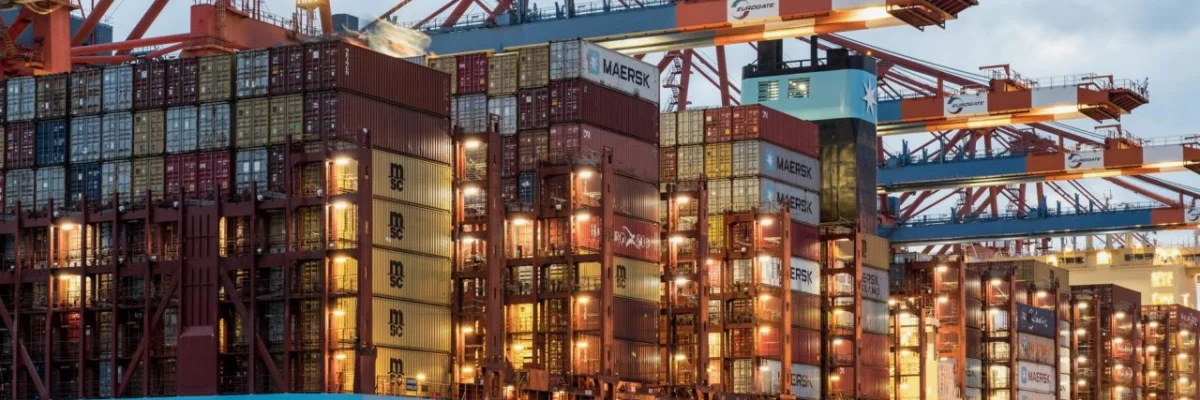
Global trade regulations are becoming increasingly complex, presenting significant challenges for modern freight forwarders who must balance speed with total regulatory adherence. As cross-border logistics continue to evolve, the ability to manage documentation, tariff classifications, and valuation processes with absolute precision is no longer optional. Firms that rely on legacy manual processes often face delays, audits, and costly financial penalties that damage client trust. By integrating advanced cloud-based digital solutions, forwarders can automate compliance workflows, reduce human error, and ensure that every shipment sails through customs checkpoints efficiently while meeting all international legal requirements seamlessly.
Digital Documentation Management

Managing customs documentation requires a precise approach to digitizing essential forms like bills of lading and commercial invoices. Modern software centralizes these files, ensuring that customs brokers and agents have real-time access to accurate data, which significantly accelerates the verification process for shipments.
- Automated Data Entry: Minimize manual input errors by using software that pulls data directly from commercial invoices, ensuring consistency across all customs declarations and shipping documentation for every shipment.
- Centralized Cloud Repository: Store all regulatory documents in a secure, cloud-based platform that allows instant retrieval during audits or inquiries from customs authorities at any global port.
- Version Control Systems: Prevent errors caused by outdated documents by utilizing automated versioning, ensuring that your team always works with the most recent regulatory updates and forms.
- Real-time Document Sharing: Enable seamless collaboration by allowing your stakeholders to review and approve customs documentation instantly, reducing the back and forth time typically required for clearances.
By leveraging digital document management, freight forwarders eliminate the bottlenecks associated with paper-heavy processes. This transition to cloud technology provides a single source of truth for your entire team. Reduced physical storage costs and faster communication cycles mean your staff can focus on high-value logistics planning rather than searching through endless folders for a single, missing export license or permit.
Tariff Classification Accuracy
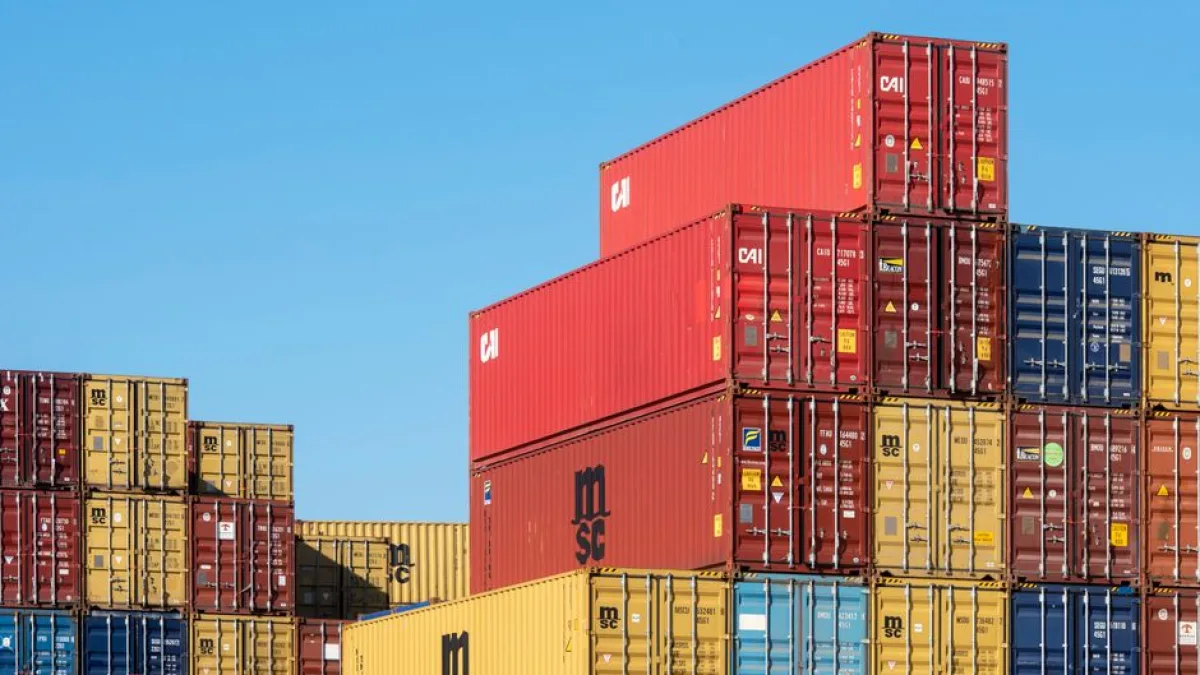
Correctly classifying goods is a foundational aspect of trade compliance that avoids overpayments or legal complications. Leveraging automated classification tools integrated within your platform allows your team to navigate complex Harmonized System codes with professional confidence and speed.
- Automated HS Codes: Utilize integrated databases that automatically suggest the correct Harmonized System codes based on item descriptions, reducing the risk of classification errors during border entry.
- Comprehensive Compliance Audits: Perform internal checks on your historical classification patterns to identify potential discrepancies before authorities highlight them during a formal regulatory audit or inspection.
- Dynamic Duty Calculation: Implement tools that calculate applicable duties and taxes in real-time, helping your clients accurately forecast costs and manage their supply chain budgets effectively.
- Regulatory Change Alerts: Receive instant notifications regarding updates to international tariff schedules, ensuring your classification data remains current with the latest global trade policy changes.
Precision in tariff classification transforms how your agency manages client expectations and fiscal responsibility. By removing the guesswork from HS code selection, you protect your clients from surprise duty assessments and potential cargo holds at customs. This proactive level of service distinguishes your forwarder as a reliable partner capable of navigating the intricate landscape of global trade with complete transparency and ease.
Advanced Risk Mitigation Strategies

Risk mitigation in customs processes involves identifying potential compliance gaps before they lead to cargo delays or regulatory scrutiny. A robust software platform provides the monitoring capabilities necessary to flag non-compliant shipments and manage operational risks effectively.
- Automated Flagging Systems: Set up custom alerts that automatically notify your team when a shipment profile triggers a potential compliance violation or missing regulatory requirement check.
- Supplier Compliance Profiles: Maintain detailed records for each vendor to track their history of compliance, which helps your team prioritize shipments that meet high safety standards.
- Proactive Incident Reporting: Generate detailed compliance reports that capture any potential issues early, allowing for swift corrective actions that maintain the flow of international cargo shipments.
- Audit Trail Logging: Create an immutable digital log of every action taken on a shipment, which provides critical evidence of your compliance efforts during any investigations.
Implementing a strong risk mitigation strategy ensures that your firm remains resilient against the unpredictable nature of global customs enforcement. By using data-driven insights to monitor every stage of the transit process, you can solve small issues before they become expensive liabilities. This analytical approach ultimately saves your clients money and reinforces your reputation as an expert in global logistics operations.
Optimizing Customs Workflow Efficiency

Workflow efficiency is the engine that drives a successful freight forwarding business in a competitive market. By mapping out every step of the clearance process, you can identify areas for automation and optimize how your team handles incoming customs requests.
- Integrated Workflow Automation: Connect your customs clearance process directly with your primary freight software to ensure that no critical data is lost during transit from dispatch.
- Task Assignment Features: Assign specific compliance tasks to qualified team members based on their expertise, which ensures that complex shipments receive the specialized attention they require.
- Performance Analytics Dashboards: Monitor key performance indicators like clearance times and error rates to identify bottlenecks, allowing your leadership to adjust workflows for maximum team efficiency.
- Client Portal Integration: Provide your customers with a secure portal to track their clearance progress, which reduces the need for manual status update requests via email.
Optimizing your internal workflows is essential for scaling a freight forwarding business while maintaining high compliance standards. When your processes are organized and automated, your staff can handle higher shipment volumes without sacrificing quality or accuracy. Investing in this operational framework allows you to grow your market share confidently while ensuring that every client receives consistent, high-quality service on every shipment.
Conclusion
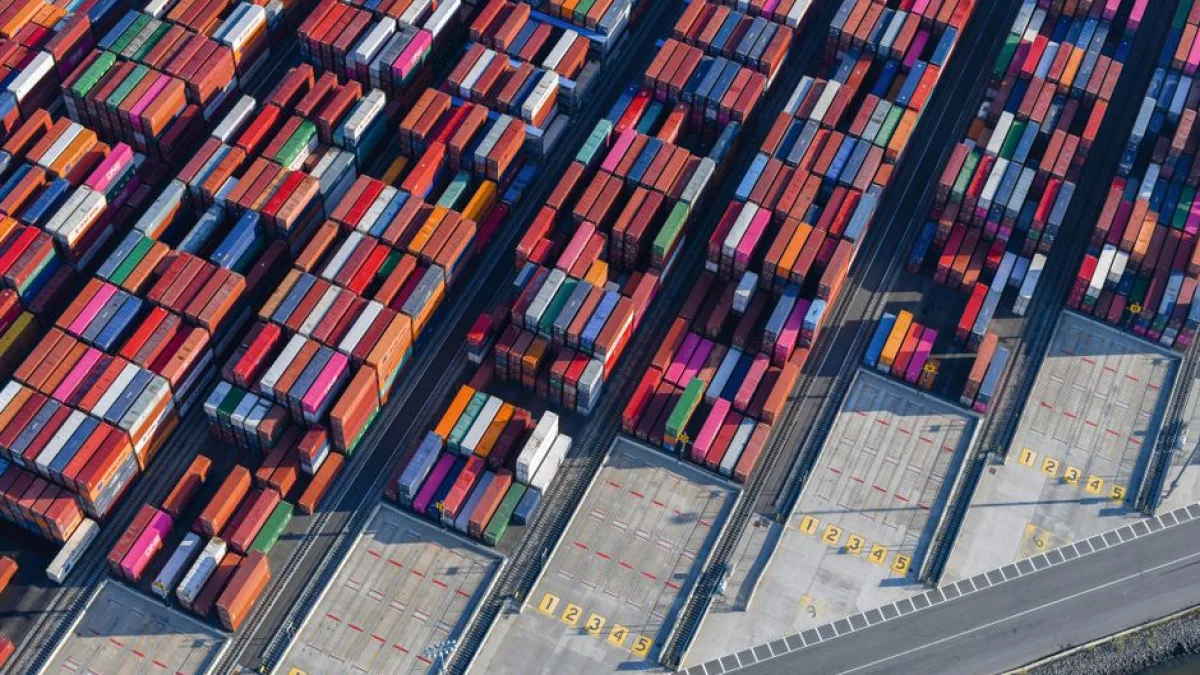
Mastering customs compliance is a vital component of any successful freight forwarding operation in the digital age. By adopting cloud-based solutions and automating your documentation, classification, and risk processes, you gain a competitive edge that ensures speed and accuracy. MakeCargo provides the tools you need to streamline these complex workflows. Reach out to our team today to transform your operations and ensure total compliance.