Mastering Customs Compliance: A Freight Forwarder's Guide
Thursday, October 15 2026
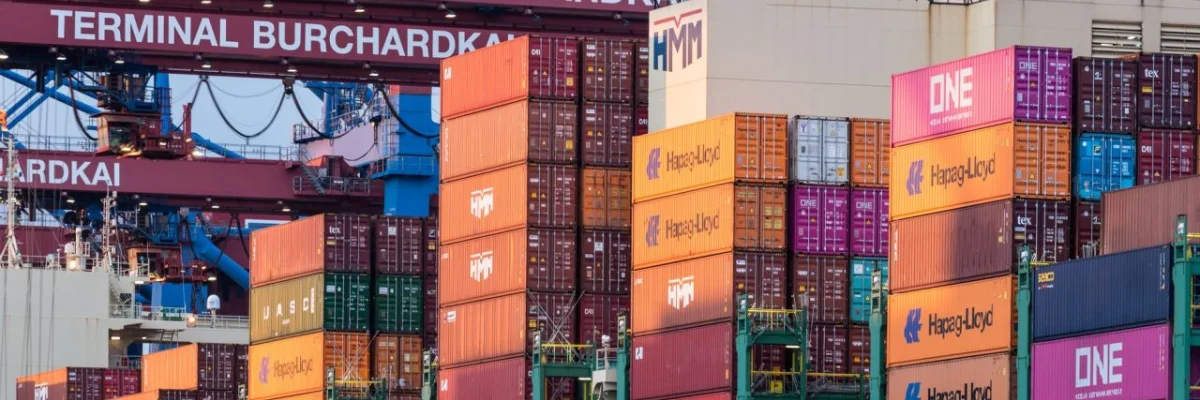
Global trade relies heavily on the efficiency of customs clearance, making compliance a cornerstone for every successful freight forwarder. As regulations evolve and supply chains become increasingly complex, staying ahead of legal requirements is not merely an operational choice but a competitive necessity. Accurate documentation and real-time oversight are critical to prevent costly delays, heavy penalties, and shipment seizures. By leveraging advanced cloud-based technology, forwarders can digitize their workflows, ensure adherence to international mandates, and provide clients with seamless border experiences that build lasting trust and reliability in an unpredictable global market environment today.
Understanding Regulatory Frameworks

Global customs authorities maintain stringent standards that require precise documentation and classification. Navigating these regulatory frameworks demands a deep understanding of local and international laws to ensure that all cargo movements remain fully compliant throughout the international shipping journey.
- Harmonized System Codes: Properly identifying product codes ensures accurate duty calculations and prevents severe penalties during the customs audit process conducted by government agencies at the destination port.
- Export Control Laws: Following specific national export regulations is essential to avoid legal sanctions while shipping restricted goods across international borders to sensitive or embargoed trade regions.
- Trade Agreement Benefits: Utilizing free trade agreements can significantly reduce tariff costs for clients if proper documentation and proof of origin are submitted correctly during filing.
- Safety Standards Compliance: Meeting mandatory safety regulations for hazardous materials or electronics prevents shipment rejection by border agents who enforce strict environmental and public health protection policies.
- Documentation Accuracy Protocols: Implementing rigorous verification steps for every commercial invoice or packing list minimizes the risk of human error in sensitive data entry customs processes.
Adopting a proactive stance toward regulatory changes allows freight forwarders to minimize disruptions. By integrating digital tracking systems that highlight potential compliance gaps before they trigger official inspections, firms can maintain high service levels. Building a robust foundation of knowledge regarding international trade law will empower your team to handle complex customs scenarios with absolute confidence and consistent operational efficiency every day.
Digital Documentation Management

Modern logistics operations depend on the swift processing of digital paperwork to facilitate rapid customs clearance. Centralizing all transport documents in the cloud enables immediate access for customs officials and internal stakeholders, ensuring that critical compliance data is always available.
- Cloud Storage Security: Maintaining encrypted databases for sensitive shipping documents protects client privacy while ensuring that files are easily retrievable during spontaneous audits by authorities.
- Automated Data Filing: Integrating software tools that automate declaration submissions reduces manual entry mistakes and speeds up the overall clearance timeline at busy international shipping terminals.
- Version Control Systems: Using centralized platforms ensures all parties view the latest document versions, preventing confusion that often leads to shipping delays and costly clearance hold-ups.
- Digital Signature Authentication: Implementing verifiable electronic signatures streamlines the authorization process, making it much easier to satisfy legal requirements without relying on slow paper-based mail systems.
- Real-time Workflow Tracking: Monitoring the status of document approval steps provides visibility into bottlenecks, allowing managers to intervene quickly before transit timelines suffer significant negative impacts.
Transitioning from paper files to digital management systems is a vital step for any modern logistics company. These tools not only increase accuracy but also improve the speed of communication between forwarders, shippers, and customs brokers. By embracing digital transformation, you gain the ability to scale your operations while keeping your compliance records pristine and accessible for any future regulatory inquiry.
Risk Mitigation Strategies
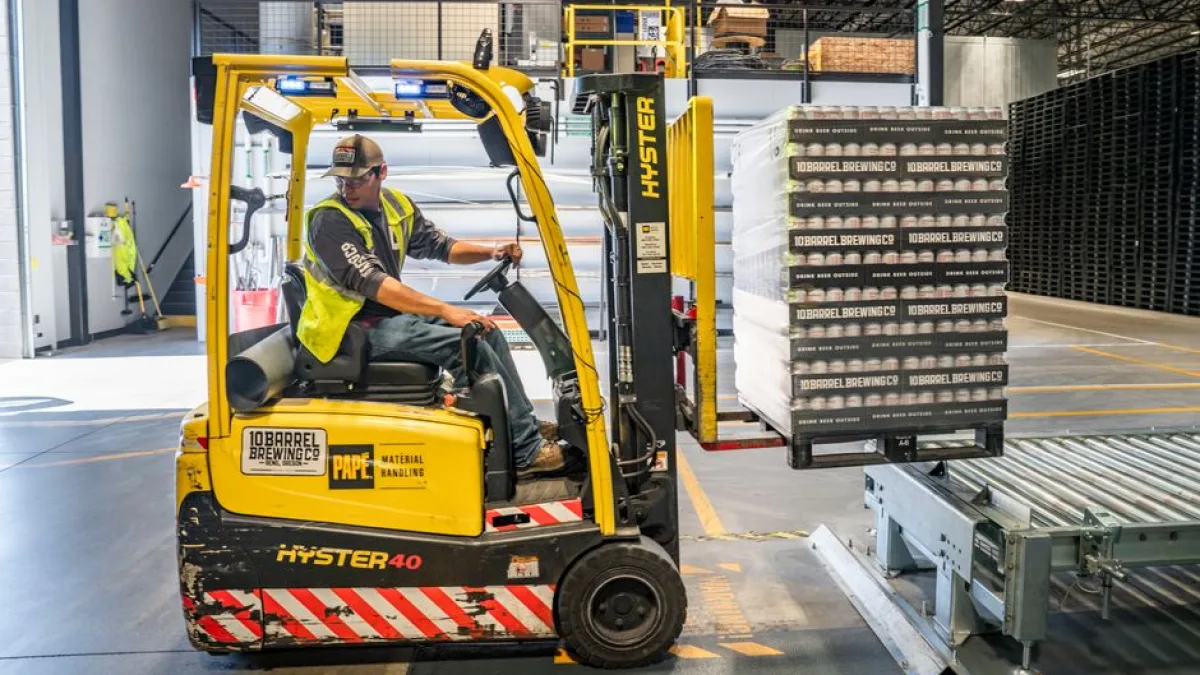
Proactive risk management is the key to preventing financial losses associated with customs non-compliance. Freight forwarders must identify potential vulnerabilities within their specific supply chains and implement rigorous monitoring systems to protect themselves and their clients from unforeseen border complications.
- Vendor Compliance Audits: Regularly assessing the reliability of your overseas partners ensures that their documentation standards align with your company requirements and international customs regulatory expectations.
- Customs Broker Partnerships: Collaborating with expert local customs brokers provides essential insight into region-specific hurdles that often baffle even experienced logistics professionals during international freight moves.
- Internal Compliance Training: Educating your logistics staff on the latest global trade changes prevents the common knowledge gaps that often result in shipping delays and fines.
- Shipment Pre-clearance Checks: Performing detailed reviews of all cargo paperwork before the vessel departs helps identify missing information or incorrect tariff codes early in the cycle.
- Contingency Planning Protocols: Developing clear response strategies for shipment seizures ensures that your team acts quickly to resolve issues, minimizing the impact on your client supply chain.
Effective risk management requires constant vigilance and a commitment to continuous learning. By staying informed about global trade shifts and maintaining clear communication with your network, you can significantly lower the probability of compliance failures. A forwarder who manages risk effectively protects their reputation and provides a higher level of value to their clients in an increasingly volatile global shipping landscape.
Technology for Seamless Trade

Leveraging specialized software provides the necessary technical edge to navigate modern customs environments with precision. Integrated platforms link various parts of the supply chain, allowing for the smooth flow of information and high-quality data management throughout the entire international shipping process.
- Automated Tariff Updates: Software solutions that automatically pull the latest duty rates and tariff updates ensure that your invoices remain compliant with current tax regulations.
- API Integrated Workflows: Connecting your freight software directly to customs portals allows for instant data submission and status updates without the need for redundant manual entries.
- Analytics Dashboard Tools: Utilizing advanced data analytics helps identify recurring compliance patterns, allowing for better strategic planning regarding your firm shipping lanes and carrier selections.
- User Access Management: Assigning specific permissions for document editing ensures that data remains secure while allowing authorized staff members to update records for faster processing.
- Automated Alert Notifications: Setting up system triggers for missing documents or approaching deadlines ensures that no shipment falls through the cracks during the busy season.
Harnessing the power of cloud-based technology is essential for future-proofing your freight forwarding business against complex customs hurdles. These platforms turn massive amounts of regulatory data into actionable insights, helping your team make better decisions at every turn. By investing in the right tools today, you ensure your logistics company remains agile, accurate, and ready to meet the challenges of international trade tomorrow.
Conclusion
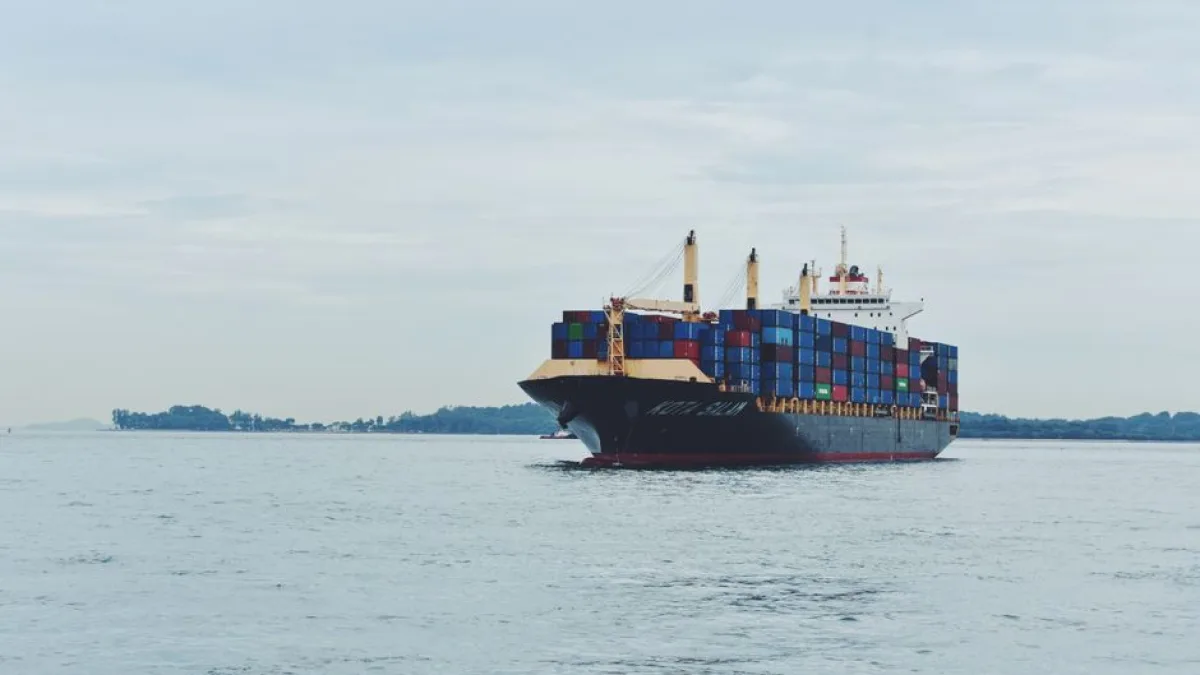
Navigating the complex world of customs and compliance is a fundamental skill for every successful freight forwarder. By utilizing digital documentation, proactive risk mitigation, and advanced software solutions, you can streamline your operations and provide exceptional service to your global clients. Stay focused on continuous improvement and technology integration to ensure your logistics business remains competitive and fully compliant in every market.