Mastering Customs Compliance in Modern Freight Forwarding
Friday, October 16 2026
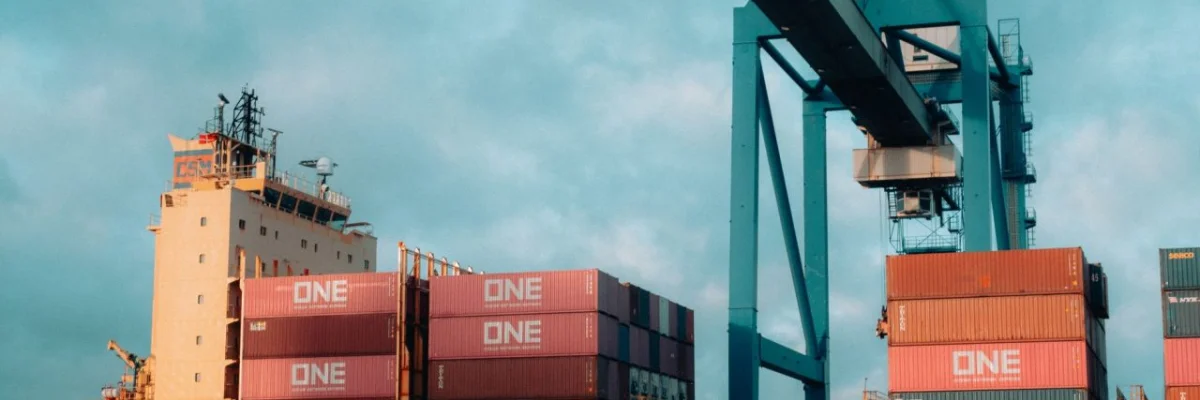
Navigating the complex landscape of global customs compliance remains a critical challenge for freight forwarders striving to maintain operational efficiency and cargo security. As trade regulations evolve rapidly, companies must transition from reactive filing methods to proactive, technology-driven strategies that minimize risk and prevent costly delays. Leveraging automated software solutions allows professionals to ensure data integrity, facilitate seamless communication with regulatory authorities, and keep pace with dynamic international standards. By prioritizing compliance as a foundational pillar of their logistics strategy, forwarders protect their reputations while providing superior service reliability to clients in a demanding and increasingly scrutinized global marketplace.
Understanding Regulatory Evolution

Regulatory requirements are constantly shifting due to geopolitical changes and security protocols. Forwarders must stay ahead of these updates to avoid significant penalties and supply chain disruptions that could negatively impact their client relationships and overall profitability in the long term.
- Prioritize digital updates: Implement software that automatically synchronizes with customs databases to ensure you are always utilizing the most recent tariff codes and regulatory filing requirements for every shipment.
- Monitor trade policies: Dedicated teams should track changes in international trade agreements to adjust operational workflows and avoid potential bottlenecks during the formal customs clearance process for imports.
- Adopt cloud platforms: Utilize cloud-based management systems to maintain a centralized repository of all compliance documentation which facilitates quick audits and improves overall data accuracy across teams.
- Staff training programs: Invest in regular educational sessions for your workforce to ensure that every team member understands the nuances of modern trade regulations and current security standards.
Adopting a proactive approach to regulatory changes transforms compliance from a burdensome administrative task into a competitive advantage. When your team remains informed about evolving legal landscapes, they can anticipate challenges before they arise. This forward-thinking strategy reduces the likelihood of cargo inspection delays and fines, ultimately fostering a culture of excellence and reliability that keeps your logistics operations running smoothly and efficiently.
Digital Documentation Precision

Manual entry errors represent the most common cause of customs delays and financial penalties in the logistics industry. Moving toward automated data validation tools helps ensure that every piece of information matches legal requirements perfectly and prevents costly human mistakes.
- Automated data validation: Use advanced software tools that automatically cross-check shipping documents against required customs fields to ensure that all data is complete and accurate before submission.
- Standardized data entry: Establish strict internal protocols for documenting cargo details to minimize inconsistencies that often arise when different staff members process the same shipment entry documents.
- Integrate partner systems: Connect your digital platform directly with carrier and port authority systems to ensure real-time data flow and eliminate the need for redundant manual entries.
- Secure electronic filing: Leverage encrypted digital submission channels to send documentation directly to customs agencies which increases security and accelerates the speed of the formal clearance cycle.
Accuracy in documentation is the heartbeat of a successful freight forwarding operation. By removing the reliance on manual spreadsheets and outdated paper systems, companies can achieve a level of precision that satisfies even the most rigorous customs inspections. This dedication to digital excellence not only speeds up the clearance process but also demonstrates to your clients that their freight is in professional hands.
Risk Mitigation Strategies

Proactive risk management is essential for identifying potential compliance gaps before they trigger official inspections. By conducting regular internal audits, forwarders can uncover vulnerabilities in their current processes and implement corrective measures to safeguard their business and client assets.
- Internal compliance audits: Schedule consistent reviews of your past customs filings to identify patterns of error or potential regulatory non-compliance that require immediate process changes and improvements.
- Vendor screening protocols: Implement robust background checks for all supply chain partners to ensure they meet your high standards for integrity and adhere to international trade laws.
- Detailed record retention: Maintain an organized, digital archive of all customs interactions and communications to serve as evidence during potential government audits or legal verification processes.
- Emergency response plans: Develop clear contingency procedures that your team can execute if a shipment is flagged for inspection to minimize the impact on the client supply chain.
Risk mitigation is not merely about avoiding fines, but about building a resilient organization that can handle unexpected challenges. When you systematically evaluate your internal workflows and external partnerships, you create a buffer against global instability. This strategic foresight ensures that even if a complication occurs, your team has a clear, effective protocol to follow, protecting your business operations and your reputation.
Building Strong Partnerships

Successful customs outcomes often rely on the strength of relationships with local authorities and customs brokers worldwide. Open communication channels and a transparent approach to information sharing enable forwarders to resolve potential issues swiftly and maintain a smooth flow of goods across borders.
- Open broker communication: Maintain consistent and transparent dialogues with your chosen customs brokers to ensure they understand your client needs and possess the correct supporting documentation.
- Regulatory authority engagement: Participate in local trade workshops and industry groups to build rapport with customs officers who can provide valuable insights into local procedural expectations.
- Transparent client reporting: Keep your clients fully informed about any compliance requirements or potential risks associated with their shipments to manage expectations and improve trust levels.
- Collaborative problem solving: When disputes or issues arise, approach customs officials with a collaborative mindset to find mutually acceptable solutions that satisfy legal requirements without major delays.
Ultimately, compliance is a collaborative effort involving forwarders, brokers, and government agencies. By nurturing professional relationships and maintaining transparency, you gain access to critical information that helps navigate complex jurisdictions. These strong ties often prove vital during times of crisis or policy shifts, ensuring that your shipments continue to move efficiently while you remain fully compliant with all regional and global requirements.
Conclusion
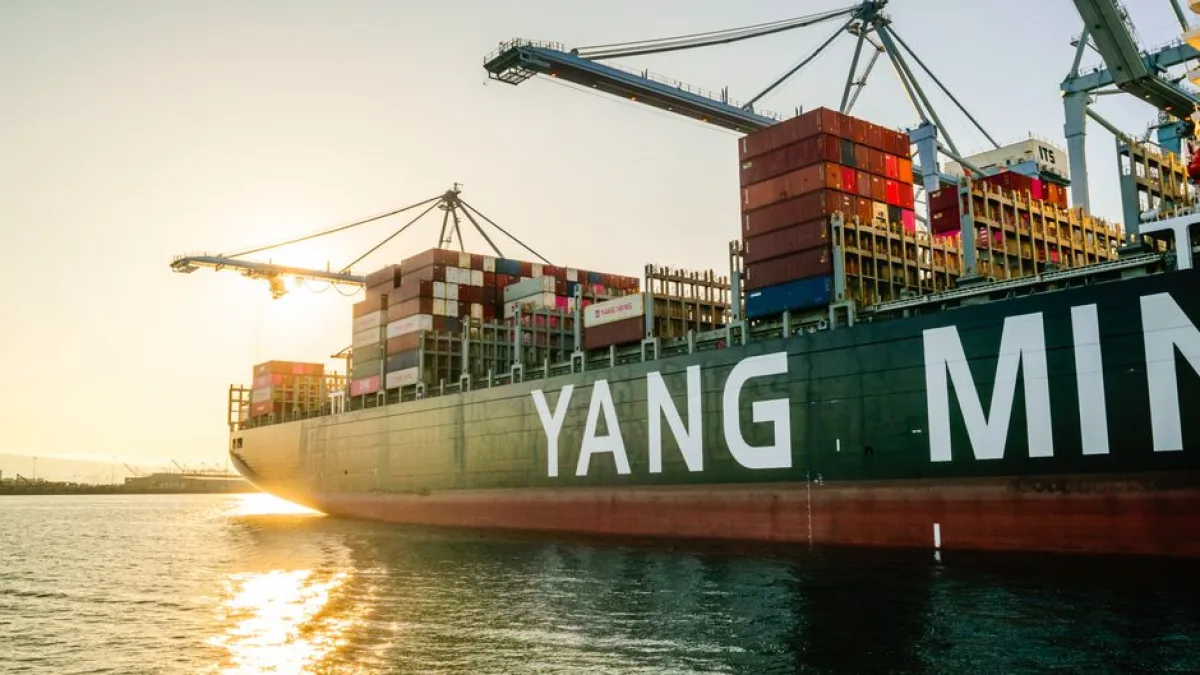
Mastering customs compliance is a journey that requires constant learning and the integration of smart technology. By prioritizing data accuracy, proactive risk management, and strong industry partnerships, forwarders can transform compliance into a reliable engine for growth. Start optimizing your customs workflows today with MakeCargo software solutions to ensure that your logistics business stays ahead of the curve and continues to deliver excellence.