Mastering Customs Compliance: A Modern Guide for Freight Forwarders
Saturday, October 17 2026

Navigating the complex landscape of international customs compliance remains one of the most significant challenges for modern freight forwarders. As global trade regulations evolve with increasing speed, the demand for precision, transparency, and digital integration has never been higher. Failure to adhere to changing import and export protocols can result in heavy financial penalties, delayed shipments, and damaged reputations. By leveraging cloud-based technology and robust documentation strategies, forwarders can transform compliance from a taxing administrative burden into a competitive advantage. This guide explores the essential pillars of effective customs management, ensuring your operations remain agile and compliant in a volatile global market.
The Digital Transformation of Documentation

Adopting digital workflows is essential for maintaining accurate records and meeting customs demands. By moving away from manual entry, firms can significantly reduce errors and improve processing speeds, ensuring that every shipment meets the strict data requirements mandated by modern border control authorities.
- Automated Data Entry: Implement software solutions that automatically sync shipping data with customs platforms to prevent human error while maintaining consistent data integrity across all global shipping manifest documents.
- Cloud Document Storage: Utilize secure cloud portals to store vital trade documents that are accessible to relevant stakeholders, reducing the time spent retrieving physical paperwork for mandatory audits.
- Real-time Validation Tools: Deploy integrated validation modules that check shipment data against current customs tariff codes to identify discrepancies before documents are officially submitted to the local authorities.
- Electronic Filing Systems: Transition to paperless electronic declaration systems that facilitate faster communication with government agencies, allowing for seamless information exchange and reduced overall lead times for shipments.
- Audit Trail Visibility: Maintain comprehensive digital logs for every transaction, ensuring that every modification or entry point is tracked for compliance verification and historical reporting requirements today.
Transitioning to digital platforms helps teams stay ahead of regulatory curves by offering instant access to critical shipment information. When documentation is streamlined and centralized, staff members can focus on higher value tasks rather than chasing missing paperwork. This proactive approach significantly lowers the risk of penalties while enhancing the overall service delivery speed, ultimately building greater trust with your international clients and local partners.
Understanding Global Tariff Classifications

Correctly classifying goods is a fundamental pillar of international trade that dictates duties and regulatory requirements. Precise classification prevents costly misinterpretations and ensures that every cargo movement adheres strictly to the destination country legal standards, avoiding potential hold-ups at borders.
- Harmonized System Accuracy: Master the complex Harmonized System codes to ensure that every commodity is taxed correctly, minimizing the risk of underpayment or overpayment during customs clearance processing.
- Regional Regulatory Expertise: Dedicate resources to understanding specific regional trade agreements that might influence tariff rates for your clients, potentially saving significant costs on high volume import routes.
- Classification Software Integration: Leverage advanced classification tools that automatically suggest HS codes based on item descriptions, providing a reliable baseline for your operational teams during the intake phase.
- Regular Staff Training: Conduct recurring workshops to keep your operations team informed about updates to global trade classifications, ensuring that your knowledge base stays current and highly accurate.
- Client Data Audits: Perform periodic audits of client product catalogs to verify that historical HS code assignments remain valid under the most recent international trade classification standards today.
Mastering complex tariff systems requires a combination of human expertise and automated intelligence to avoid costly mistakes. By keeping a close watch on product classifications, forwarders can provide accurate cost estimates that build long-term loyalty with clients. This diligence not only ensures legal adherence but also helps optimize logistics budgets, positioning your firm as a sophisticated partner in the global supply chain sector.
Risk Mitigation in Export Controls
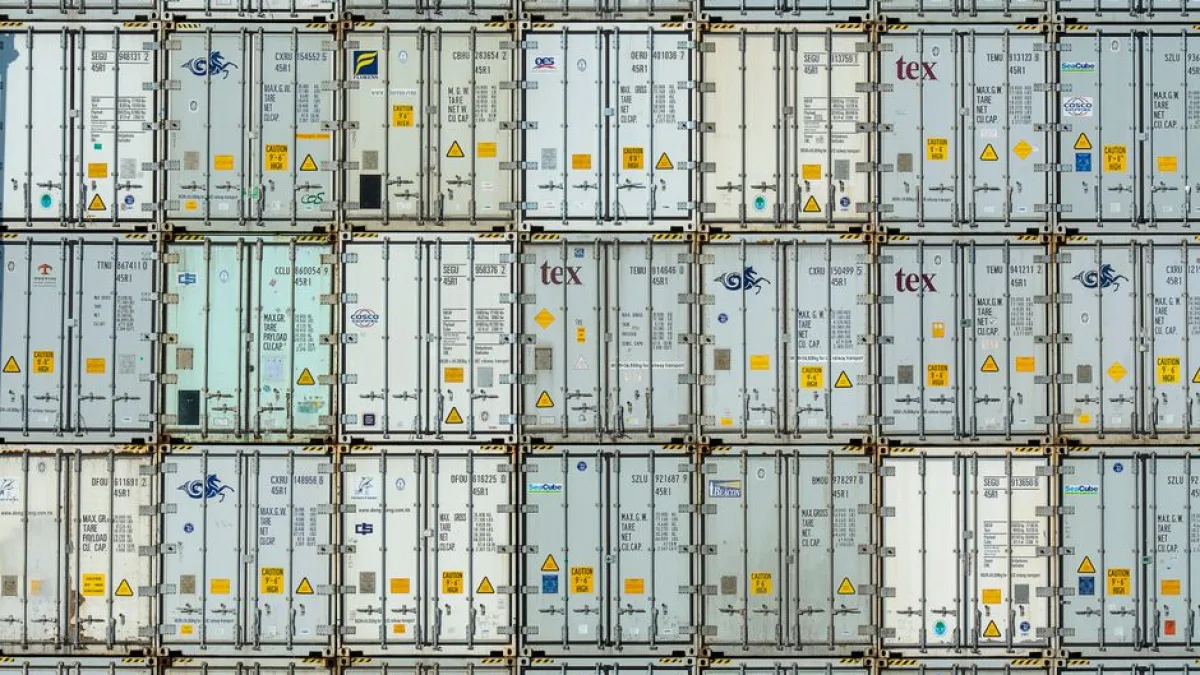
Managing export controls involves rigorous screening processes to ensure adherence to international security mandates. Forwarders must actively monitor trade sanctions and embargo lists to prevent illegal cargo movement, which protects your business from severe legal consequences and maintains operational continuity.
- Restricted Party Screening: Utilize automated screening services that check every entity involved in a shipment against updated international denied party lists to prevent unauthorized trade activities effectively.
- End-Use Verification Procedures: Establish strict protocols for verifying the end-use of sensitive cargo to ensure compliance with export licensing requirements for dual-use technology and specific industrial goods.
- Sanction List Monitoring: Implement automated alerts that notify your team instantly when a country or entity is added to international sanction lists, enabling immediate pauses on affected shipments.
- Licensing Tracking Systems: Manage complex export license requirements through centralized software that alerts your staff regarding expiration dates, preventing accidental shipments without the necessary government authorization documents.
- Proactive Risk Assessment: Perform detailed risk assessments on new trade lanes and clients to identify potential compliance gaps before operational commitments are made in high-risk zones.
Mitigating risk is a continuous process that requires a culture of vigilance throughout your organization. By combining automated screening technology with a robust internal control framework, you can shield your operations from unpredictable regulatory changes. Prioritizing these security measures allows your firm to navigate sensitive trade environments confidently, ensuring that all logistical activities align with the highest standards of international trade law.
Optimizing Customs Clearance Through Partnerships

Effective customs clearance relies on strong, transparent relationships between forwarders, customs brokers, and regulatory agencies. Establishing clear lines of communication and shared goals ensures that potential issues are resolved quickly, maintaining a steady flow of goods across borders while improving overall supply chain efficiency.
- Strategic Broker Alliances: Form deep partnerships with local licensed customs brokers who possess specialized knowledge of unique regional regulations, ensuring expert handling of your complex clearance documentation requirements.
- Communication Protocol Standards: Create unified communication channels to ensure all parties are updated on shipment status, which reduces misunderstanding and accelerates the resolution of any customs-related delays.
- Shared Compliance Standards: Align your internal compliance standards with those of your customs partners to create a cohesive operation that leaves little room for error or miscommunication.
- Performance Metric Tracking: Monitor the clearance performance of your partners using specific data metrics, allowing you to identify bottlenecks and address them in a timely, collaborative fashion.
- Feedback Loop Cycles: Schedule regular performance reviews with customs partners to discuss recurring issues and implement collective solutions that improve long-term clearance efficiency for all global operations.
Strong professional partnerships act as an essential support system in the fast-paced world of freight forwarding. When you invest in building collaborative relationships, you gain access to vital insights and support that manual processes simply cannot provide. This partnership-first strategy ensures that your team can overcome unexpected regulatory obstacles, delivering a superior experience for your clients while maintaining high levels of operational performance.
Conclusion

Maintaining customs compliance is a dynamic journey that requires dedication to digital tools, precise classification, and strategic cooperation. By integrating these practices into your daily operations, your firm can navigate complex international regulations with confidence and efficiency. Keep your processes updated and your partners engaged to ensure that your freight forwarding business remains a trusted and compliant leader in the global shipping industry.