Mastering Customs Compliance in Modern Freight Forwarding
Sunday, October 18 2026
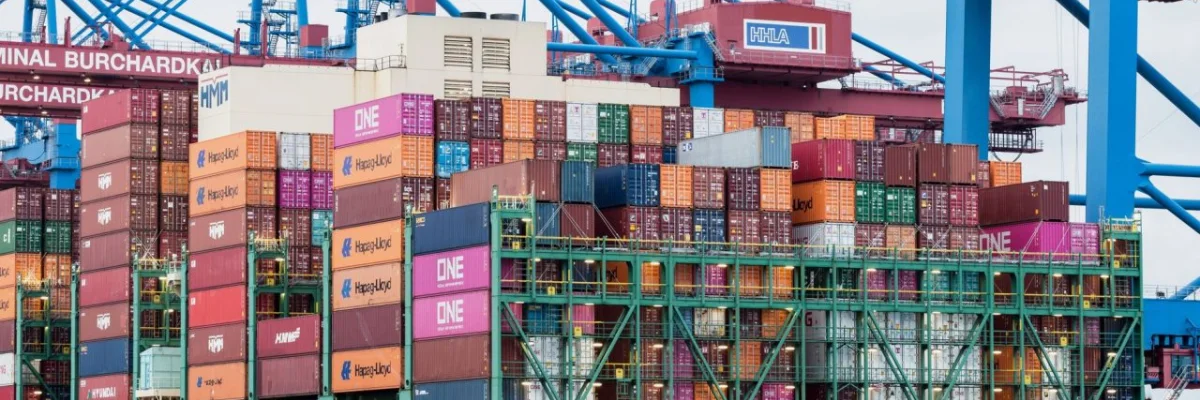
Global supply chains depend on the seamless movement of goods across borders, making customs compliance a critical pillar for any successful freight forwarder. As international regulations shift and technology evolves, professionals must adapt to ensure that documentation, tariff classifications, and valuation processes remain accurate. Failures in this area lead to costly delays, heavy fines, and damaged client reputations. By integrating automated workflows into your daily operations, your business can mitigate risks while ensuring full adherence to local and international legal requirements. Embracing a proactive compliance strategy is no longer optional for firms aiming to maintain a competitive edge in today's global market.
Understanding Regulatory Documentation

Accurate documentation serves as the backbone of every cross-border shipment, preventing authorities from flagging your cargo for inspection. Proper record-keeping ensures that every manifest and declaration aligns with international standards, helping your logistics operations run smoothly and without unexpected delays.
- Harmonized System Codes: Properly classifying goods using accurate HS codes is essential to avoid incorrect tax assessments and potential legal trouble during the official customs clearance verification process.
- Commercial Invoice Accuracy: Every invoice must clearly detail shipment contents and valuations to prevent discrepancies that frequently trigger audits or cause significant delays at major border crossings.
- Certificates of Origin: Maintaining verified documentation regarding the origin of goods is vital for leveraging free trade agreements and ensuring your clients pay the correct duties.
- Electronic Filing Systems: Modern forwarders must adopt digital filing tools to ensure data integrity and speed up the communication process between your firm and various national authorities.
- Document Archiving Protocols: Robust digital storage solutions protect sensitive compliance data, ensuring that your company can quickly retrieve necessary proof of legitimacy if an audit is requested.
Precision in your paperwork is not just about avoiding immediate trouble. It is about building a foundation of reliability that your clients can trust. When your team invests time in double-checking every detail, you save countless hours that would otherwise be spent resolving disputes. This operational discipline transforms customs compliance from a stressful administrative burden into a key value proposition for your logistics brand.
Navigating Tariff Classification Challenges

Tariffs are constantly changing as trade policies fluctuate across different geopolitical regions. Freight forwarders must stay ahead of these adjustments to provide accurate cost estimates, helping clients maintain their profit margins while avoiding surprise fees at the port of entry.
- Monitoring Trade Policies: Staying informed about real-time changes in international trade agreements allows your team to adjust strategy before new tariffs negatively impact your shipping costs.
- Regular Audit Cycles: Implementing routine internal checks on classification practices helps identify errors before they escalate into significant financial liabilities or costly government intervention scenarios today.
- Leveraging Automated Software: Using cloud platforms helps automate the complex task of tariff lookup, ensuring that your team always uses the most current data for clients.
- Client Education Initiatives: Proactively explaining tariff impacts to your customers builds strong professional relationships and demonstrates that you are a partner in their long-term growth.
- Customs Valuation Accuracy: Ensuring the transaction value is reported correctly is a key factor in avoiding investigations that might lead to retroactive duty payments and penalties.
Managing tariffs effectively requires both vigilance and the right technology tools at your fingertips. By automating the classification process, your staff can focus on high-level strategic decisions rather than manual data entry. Keeping your clients informed about potential cost fluctuations proves that you are committed to transparency. Ultimately, your ability to navigate these financial complexities defines your reputation as a reliable logistics partner.
Streamlining Risk Mitigation Strategies

Risk management involves identifying potential bottlenecks before they disrupt your supply chain operations. From screening cargo for prohibited items to verifying the credibility of your trading partners, a proactive approach ensures that your logistics network remains safe and resilient.
- Automated Partner Screening: Regularly checking your shipping partners against restricted party lists prevents your company from accidentally engaging in prohibited transactions that lead to severe consequences.
- Supply Chain Visibility: Maintaining full transparency across the entire shipping route allows you to spot anomalies immediately and address potential compliance issues without causing significant delays.
- Predictive Risk Modeling: Using data analytics tools helps your team anticipate common port disruptions, allowing for better planning and reduced reliance on reactive crisis management strategies.
- Comprehensive Staff Training: Keeping employees educated on current regulations ensures that the entire team understands how to spot risks during the daily freight forwarding operational workflow.
- Incident Response Planning: Having a documented strategy for managing cargo holds or document errors allows your team to react calmly and resolve issues much faster.
Security and compliance are deeply linked in the world of modern freight shipping. By prioritizing robust screening and consistent training, you protect both your company and your clients from unnecessary hazards. Developing a culture of vigilance means that every team member understands their role in maintaining supply chain integrity. This proactive stance is what separates top-tier freight forwarders from the rest.
Leveraging Technology for Compliance

Digital transformation has revolutionized how freight forwarders handle customs filings. Cloud-based platforms allow for real-time tracking, automated reporting, and instant synchronization between teams, effectively removing the errors that occur when using traditional, paper-based manual methods for international shipping.
- Unified Data Management: Storing all customs documents in one centralized cloud platform allows for seamless collaboration across your global teams and minimizes the risk of losing files.
- Real-Time Reporting Features: Instant access to status reports provides your management team with the data they need to make informed decisions regarding current compliance workflows.
- Automated Filing Integrations: Connecting your logistics software directly to customs portals eliminates the need for manual data entry, significantly reducing the chance of human error during.
- Scalable Digital Architecture: Choosing a platform that grows with your business ensures you maintain compliance standards even as your shipping volume increases across various international markets.
- Cybersecurity Compliance Focus: Protecting digital documentation against unauthorized access is just as important as the customs filing itself, requiring robust encryption and secure user authentication methods.
Investing in advanced technology is the best way to secure your future in the logistics industry. While manual processes were once standard, they are now a source of risk and inefficiency that can hinder your growth. By moving your operations to the cloud, you gain the agility required to scale your business safely. Technology acts as a safeguard, ensuring your compliance remains consistent.
Conclusion

Successful customs compliance is the foundation of long-term success for any freight forwarding professional. By focusing on accurate documentation, tariff awareness, risk management, and technological integration, your firm can operate with total confidence. Prioritize these areas to build trust with your clients and streamline your daily processes. Consistent effort in these essential domains ensures that your business stays compliant, efficient, and highly competitive today.