Mastering Customs Compliance in Modern Freight Forwarding
Monday, October 19 2026
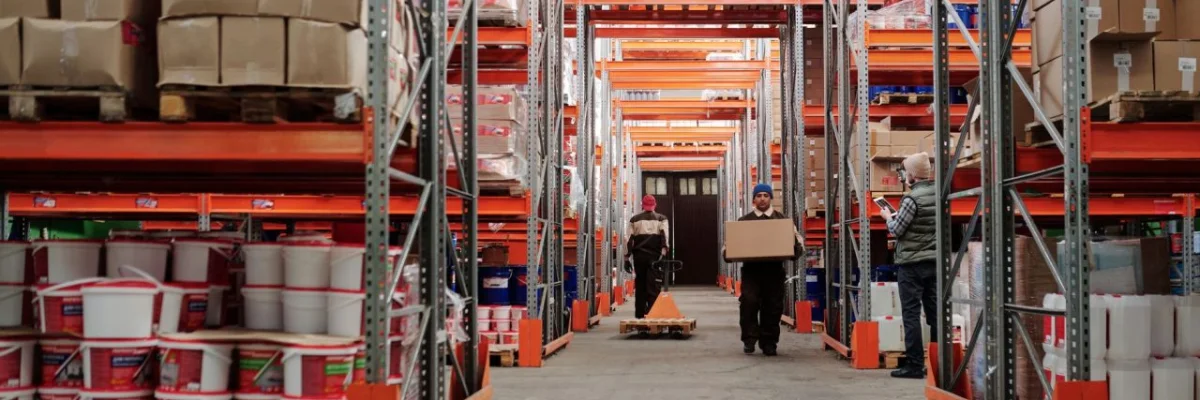
Navigating the complex landscape of global customs regulations remains one of the most significant challenges for modern freight forwarders. As international trade policies evolve rapidly, staying compliant is no longer just about avoiding penalties but about building operational resilience and trust with your clients. Manual processes and outdated documentation management are quickly becoming liabilities that hinder efficiency. By adopting digital transformation tools and prioritizing accuracy in classification and valuation, forwarders can turn compliance from a burdensome administrative task into a competitive advantage. This guide explores essential strategies to streamline your customs workflows and maintain seamless cross border operations in an increasingly digital world.
Digitizing Documentation for Accuracy

Transitioning from paper-based systems to digital platforms allows forwarders to track compliance documentation in real time. This shift minimizes human error, improves data visibility, and ensures that every piece of customs paperwork is audit-ready and accessible from any location.
- Automated Data Entry: Implement systems that automatically extract information from shipping documents to populate customs forms. This process significantly reduces manual input errors and accelerates overall cargo processing times.
- Centralized Cloud Storage: Maintain a single source of truth for all compliance documents to simplify retrieval. Storing files in the cloud ensures your team accesses current versions consistently.
- Real-time Validation Checks: Utilize software that flags potential discrepancies or missing data fields before submission to authorities. Catching these errors early prevents shipment delays and expensive customs hold-ups.
- Standardized Document Templates: Create uniform templates for common shipping declarations to ensure consistency across your operations. Using standardized formats helps junior staff prepare files accurately and efficiently.
Adopting digital document management is a foundational step toward operational excellence. By centralizing your data within a cloud-based platform, you remove the risks associated with scattered spreadsheets and physical files. This proactive approach to data management not only satisfies regulatory demands but also fosters greater collaboration across your entire logistics chain, ultimately leading to faster clearance times and significantly higher levels of client satisfaction.
The Importance of HS Code Classification
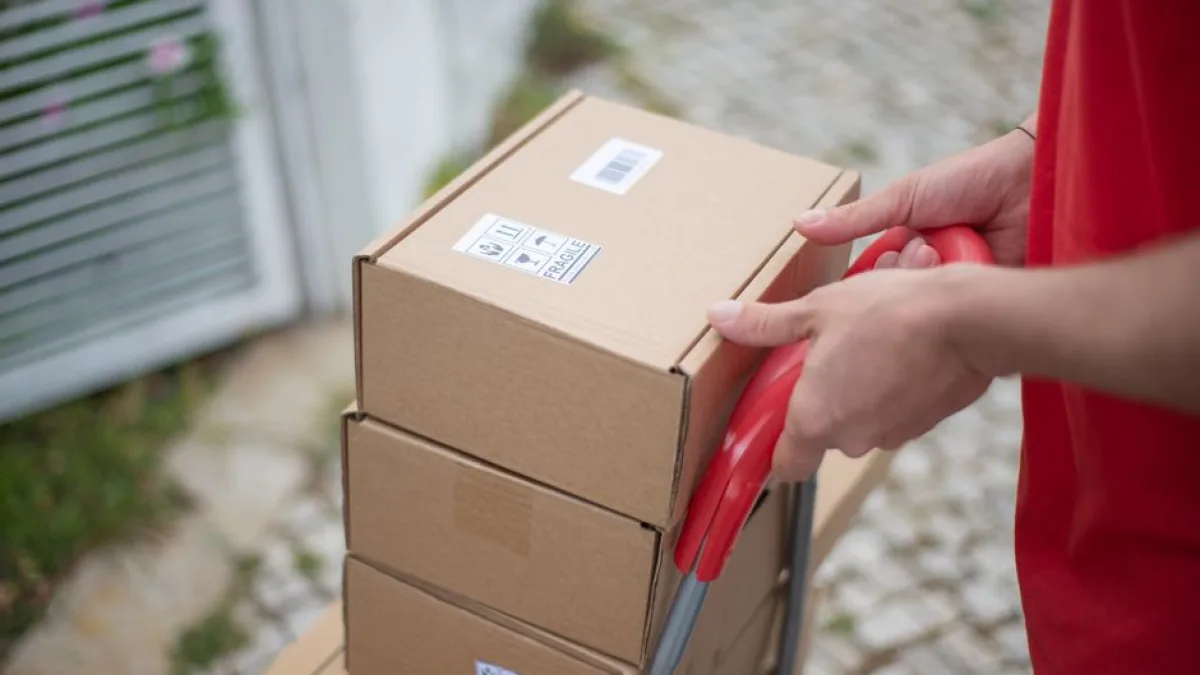
Correct Harmonized System code classification is the cornerstone of successful customs clearance. Incorrect codes lead to overpayment of duties or severe penalties from authorities. Precision in this area directly reflects the reliability and professional standard of your forwarding business.
- Global Classification Standards: Understand the standardized numerical method for classifying traded products across international borders. Precise usage of these codes ensures transparency with tax authorities and customs agencies.
- Regular System Updates: Stay informed about frequent changes to HS code schedules to ensure your database remains current. Updating your classification tools prevents accidental non-compliance during shipment processing.
- Expert Classification Tools: Leverage AI-driven software that suggests accurate codes based on detailed product descriptions. These tools provide an extra layer of verification for complex shipping goods.
- Audit Trail Maintenance: Document the rationale behind every classification decision to justify your choices during a potential audit. Maintaining these records builds long-term confidence with customs officials.
Proper classification is a technical discipline that requires constant vigilance and the right digital support. When you invest in accurate classification tools, you minimize the risk of retrospective audits and costly reassessments. Maintaining a high standard for your HS code database serves as a vital safeguard for your reputation, ensuring that every shipment moves smoothly through global customs gateways without unnecessary interruptions.
Leveraging Advanced Customs Software
Integrating specialized customs software directly into your core operations platform creates a seamless bridge between freight movement and regulatory filing. This integration eliminates data silos and provides a unified view of every shipment status and requirement.
- Direct EDI Integration: Connect your forwarding software directly to government systems for instant data exchange. This eliminates the need for third-party portals and speeds up customs clearance.
- Automated Compliance Alerts: Receive instant notifications about changing trade regulations or new documentation requirements in target markets. These alerts help your team adapt quickly to evolving rules.
- Comprehensive Reporting Tools: Generate detailed reports on customs activity to identify patterns and areas for improvement. Data-driven insights allow you to optimize your compliance workflows effectively.
- Role-Based Access Control: Ensure that only authorized personnel can submit or modify sensitive customs information. Granular security settings protect your data from unauthorized changes and errors.
Choosing the right technology partner is essential for modernizing your compliance strategy. A well-integrated software stack acts as a force multiplier for your operations team, allowing them to handle complex regulatory requirements with minimal friction. By streamlining the flow of information between your system and national customs agencies, you reduce the administrative burden while simultaneously increasing the speed and security of your international logistics.
Building Strong Regulatory Partnerships

Effective compliance often hinges on strong relationships with local customs brokers and regulatory agencies. Establishing clear lines of communication ensures that your team remains aligned with local expectations and is prepared to handle any regional challenges that might arise.
- Vendor Qualification Processes: Vet your local customs partners rigorously to ensure they meet your high standards for ethics and accuracy. Strong partnerships facilitate smoother operations in complex jurisdictions.
- Clear Communication Channels: Set up regular check-ins with your regional agents to discuss shifts in local customs practices. Open dialogue prevents misunderstandings that could lead to shipment delays.
- Training and Collaboration: Share best practices with your external partners to ensure everyone is aligned on compliance goals. Joint training sessions can improve knowledge sharing across borders.
- Proactive Conflict Resolution: Address any customs discrepancies immediately through direct and professional communication. Resolving issues in real time avoids escalation and protects your business relationships locally.
Maintaining high-quality partnerships is a vital component of a comprehensive customs strategy. Even the best software cannot replace the value of local expertise and direct collaboration when dealing with complex, changing regulations. By fostering strong, transparent relationships with your customs brokers and regional agents, you ensure that your global logistics network remains resilient and responsive to the needs of every client.
Conclusion
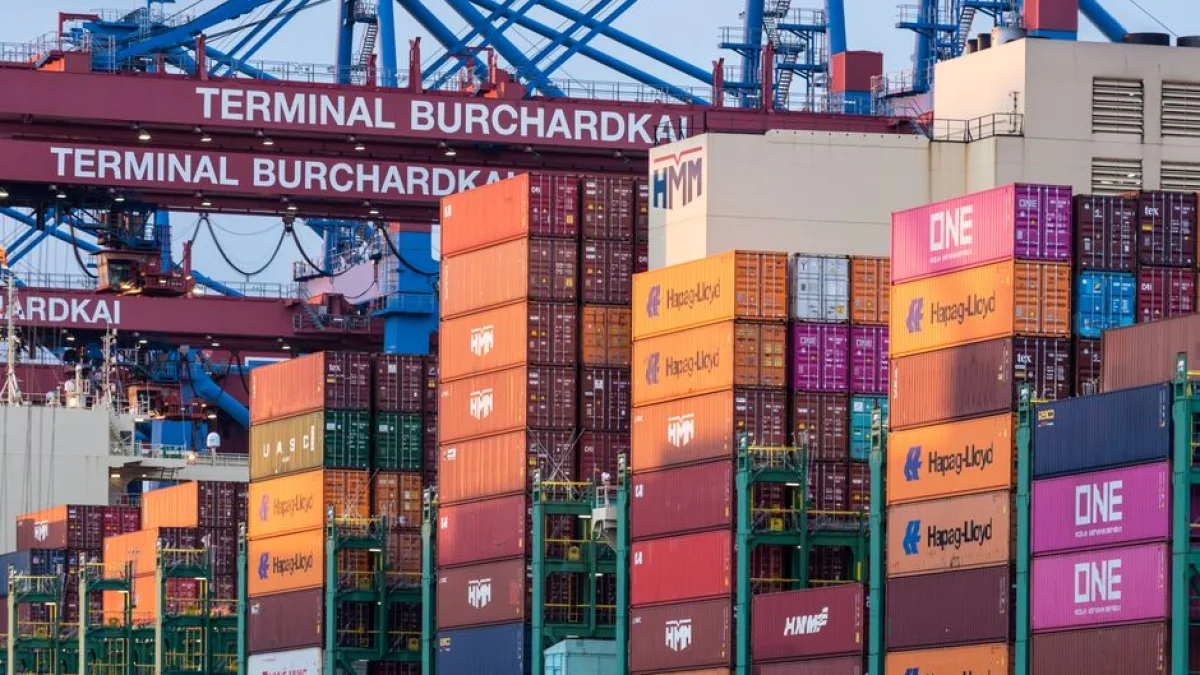
Achieving excellence in customs compliance requires a blend of advanced digital technology, precise classification practices, and strong industry partnerships. By embracing these core strategies, freight forwarders can reduce operational risks and improve service delivery. Now is the time to audit your current workflows and invest in the tools necessary to stay ahead. Enhance your compliance capabilities with MakeCargo today for seamless growth.