Mastering Customs Compliance in Modern Freight Forwarding
Wednesday, October 21 2026
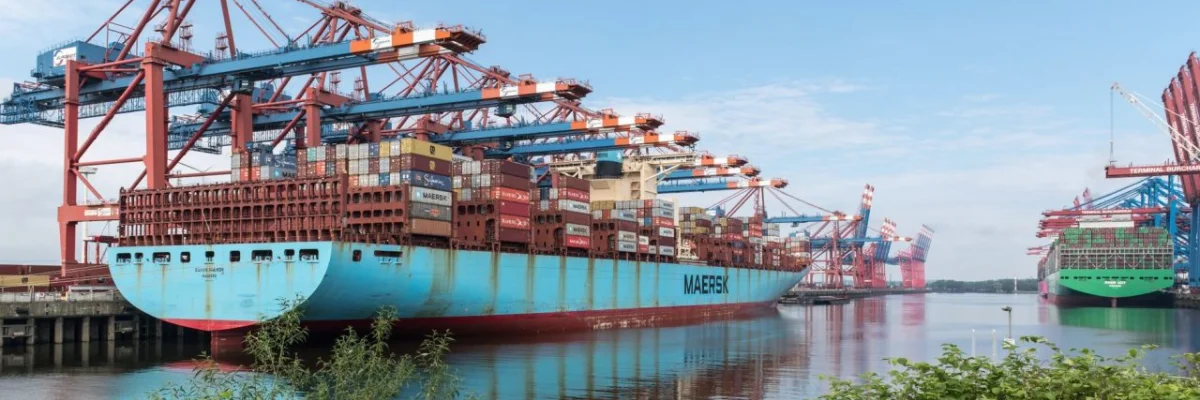
Global trade complexity is rising at an unprecedented pace, forcing freight forwarders to reevaluate their customs compliance strategies. Regulatory bodies now demand higher levels of transparency, speed, and accuracy, making manual processing a major liability for any growing logistics firm. As digital transformation takes hold, the bridge between customs brokerage and freight management becomes essential for operational success. By leveraging automated cloud platforms, forwarders can mitigate risk, reduce expensive clearance delays, and ensure that every shipment adheres to the latest international standards. Achieving compliance is no longer a luxury, but a fundamental prerequisite for maintaining seamless cross border operations in today's digital market.
Digitizing Documentation Processes

Transitioning from paper-based systems to digital platforms significantly enhances your document management efficiency. By consolidating entries into a cloud environment, teams can track audit trails and ensure that every commercial invoice and packing list meets stringent regulatory requirements without manual errors.
- Centralized document storage: Cloud systems maintain a single source of truth for all customs declarations, allowing your remote teams to access verified data without searching through disorganized physical filing cabinets.
- Automated data validation: Advanced software tools automatically cross reference entry data against global tariff databases, ensuring that your declarations are accurate before they reach the local customs authorities.
- Version control tracking: Maintaining a clear history of document edits protects your business during official audits by proving exactly who authorized changes and when those updates occurred daily.
- Secure electronic archiving: Digital vaults provide an immutable record of historical shipments, which is crucial for meeting long term record keeping mandates set by various international trade agencies.
Adopting digital workflows minimizes the risk of human error that typically leads to heavy fines or shipment seizures. When your documentation is perfectly aligned with digital records, customs officials can process your cargo with greater confidence and speed. This proactive approach not only streamlines your internal operations but also builds a strong reputation with port authorities as a reliable and transparent logistics partner.
Streamlining Tariff Classification Accuracy

Correctly identifying HS codes remains a primary challenge for forwarders, as classification mistakes lead to overpayment or legal penalties. Utilizing intelligent classification tools helps teams navigate complex Harmonized System codes, ensuring that every commodity is taxed and regulated according to its specific profile.
- AI assisted classification: Sophisticated search algorithms suggest the most accurate HS codes based on product descriptions, significantly reducing the guesswork traditionally associated with manual tariff lookup and commodity grouping.
- Live tariff updates: Real time integrations with customs databases ensure that your platform reflects current duty rates and trade policies immediately, preventing outdated info from impacting your bottom line.
- Consistency across shipments: Creating a standardized library of classified products ensures that every team member uses the same codes for identical goods, preventing contradictory data entries globally.
- Duty optimization insights: Advanced analytics help identify opportunities for trade agreements or preference programs, which can potentially lower total costs for your clients while staying fully compliant.
Precision in classification is the foundation of a healthy customs program. By automating the selection process, your staff can focus their energy on high level problem solving rather than repetitive data entry. Providing accurate classification data ensures that your shipments move through borders smoothly, avoiding the frustrating administrative delays that often plague logistics firms relying on outdated or manual classification methods.
Managing Global Trade Compliance Risks
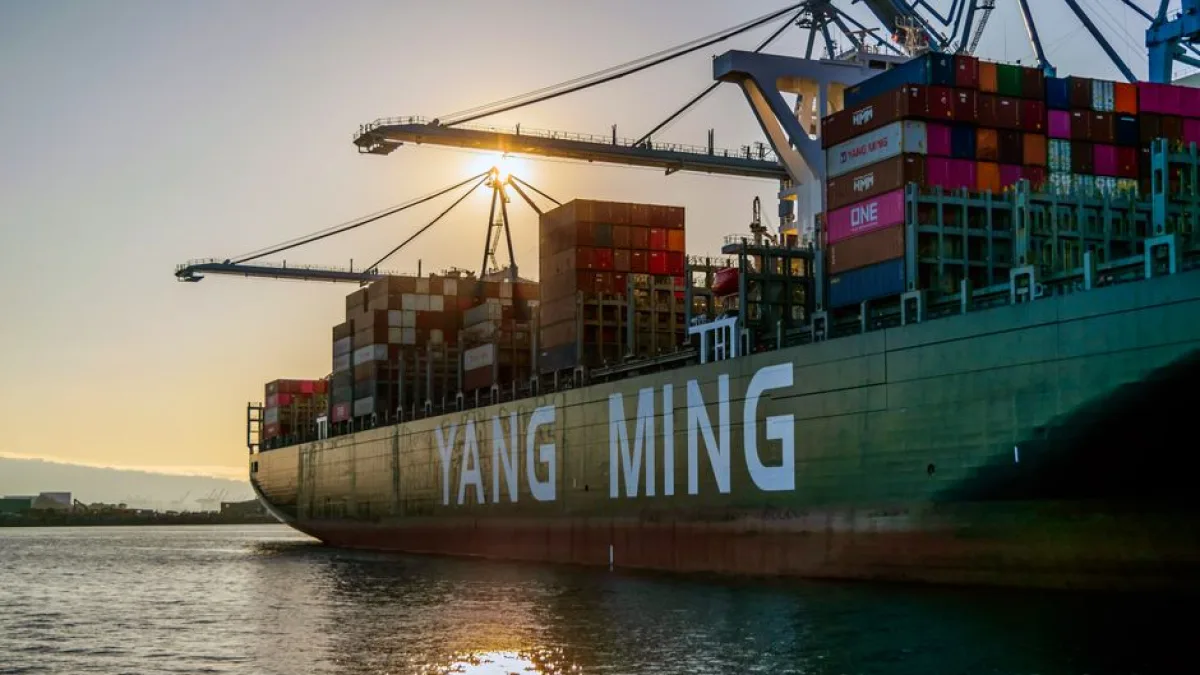
Navigating varying international trade laws requires a comprehensive approach to risk management. Freight forwarders must stay ahead of changing export control policies and sanctions to protect their clients and maintain their own operational license in an increasingly volatile global landscape.
- Automated sanction screening: Integrated software checks every entity involved in the supply chain against global watchlists, preventing your firm from accidentally engaging with restricted or blacklisted parties.
- Export control monitoring: Automated alerts provide notifications regarding changes in export licensing requirements, ensuring your team captures necessary permits before the cargo departs the warehouse for export.
- Regulatory reporting transparency: Built in reporting features simplify the creation of mandatory audit reports, allowing you to provide clear evidence of compliance to stakeholders and government regulators.
- Internal compliance audits: Scheduled system checks automatically scan your active files for common compliance gaps, allowing you to rectify issues before they escalate into formal customs investigations.
Robust risk management protects your business against the catastrophic impact of regulatory noncompliance. By implementing automated screening tools, you create a safety net that covers your operations from every angle. This level of diligence does not just prevent fines, it establishes your brand as a trusted authority in international logistics, giving your clients total peace of mind regarding their global supply chains.
Enhancing Partner Communication Channels

Successful customs clearance relies on seamless collaboration between shippers, carriers, and customs brokers. Effective communication channels prevent data silos and ensure that every stakeholder has the information required to move goods through customs checkpoints without unnecessary friction or costly shipping hold ups.
- Instant status updates: Cloud based tracking tools allow brokers and forwarders to view shipment status in real time, eliminating the need for constant phone calls or emails.
- Shared visibility portals: Providing clients with secure access to their own customs documentation builds transparency and allows for rapid resolution of any discrepancies identified during transit.
- Automated stakeholder notifications: Custom triggers alert all relevant parties the moment a shipment reaches a specific customs milestone, keeping the supply chain moving at maximum velocity daily.
- Unified messaging platforms: Integrated chat features within your software ensure that all communication is logged against the specific shipment, keeping context clear for any future internal review.
Clear communication is the ultimate remedy for the complexities of modern customs regulations. By using collaborative tools to unify your global network, you eliminate the delays caused by information gaps or misunderstood instructions. When every partner operates from the same set of verified data, the customs clearance process becomes a predictable, efficient, and professional component of your overall freight management service offering.
Conclusion

Modernizing your customs and compliance strategy is essential for thriving in the competitive freight forwarding industry. By embracing cloud technology and automated processes, your firm can effectively manage regulatory risks while improving operational speed. Start optimizing your compliance workflows today to ensure long term success and reliability for your global clients. Experience the future of seamless shipping with MakeCargo digital logistics solutions.