Mastering Customs Compliance in Modern Freight Forwarding
Thursday, October 22 2026
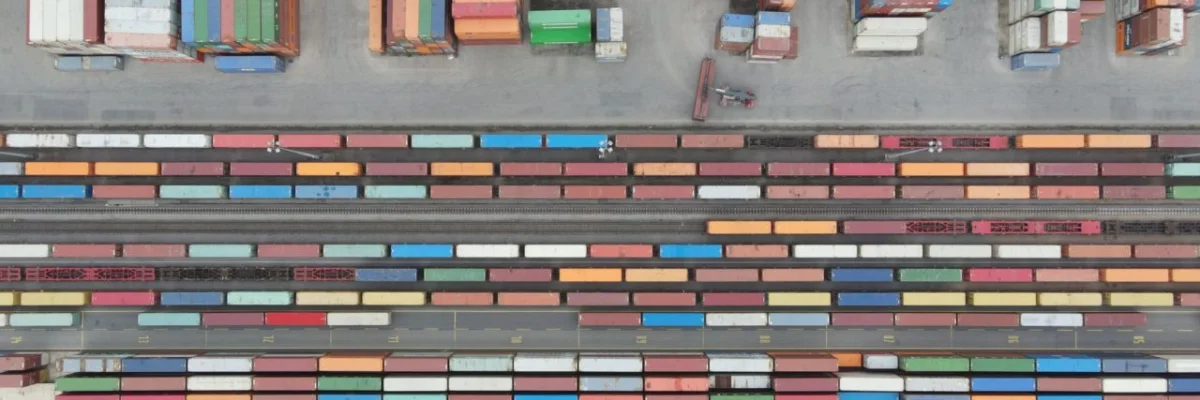
Navigating the complex landscape of global trade regulations requires precision and foresight. As freight forwarders face increasing pressure from authorities to ensure accuracy in every declaration, staying ahead of compliance mandates is no longer optional. A single error in documentation or classification can trigger significant delays, heavy fines, and damage to your professional reputation. By leveraging advanced digital tools and standardizing your internal verification workflows, you can minimize human error and create a transparent audit trail. This article examines the essential strategies that forwarders must adopt to maintain customs compliance while managing high volumes of international shipments effectively.
Digital Documentation Precision

Modern customs processes rely heavily on the integrity of digital documentation. Transitioning away from manual data entry reduces the likelihood of clerical mistakes that frequently lead to shipment inspections or cargo seizure at international borders during the customs clearance process.
- Automated Data Validation: System tools check entry data against historical patterns to identify potential discrepancies before they reach customs officials, ensuring that your declarations remain consistently accurate and timely.
- Integrated Compliance Software: Connecting your freight forwarding platform to local customs authorities facilitates direct filing, which minimizes manual interference and significantly improves the speed of your clearance.
- Standardized Document Templates: Using uniform document structures for every commercial invoice and packing list ensures that all required regulatory information is always present and easily readable by inspectors.
- Secure Cloud Storage: Keeping all regulatory documents in a centralized cloud environment allows your team to retrieve vital shipment records instantly during audits or specific customs agency inquiries.
Adopting digital solutions is the foundation for a scalable customs operation. By moving away from legacy paper-based systems, you provide your team with the visibility needed to handle complex regulatory requirements without adding headcount. This systematic approach ensures that every piece of cargo moving through your network adheres to legal standards while preventing the costly bottlenecks that typically plague inefficient freight forwarding operations.
Tariff Classification Accuracy
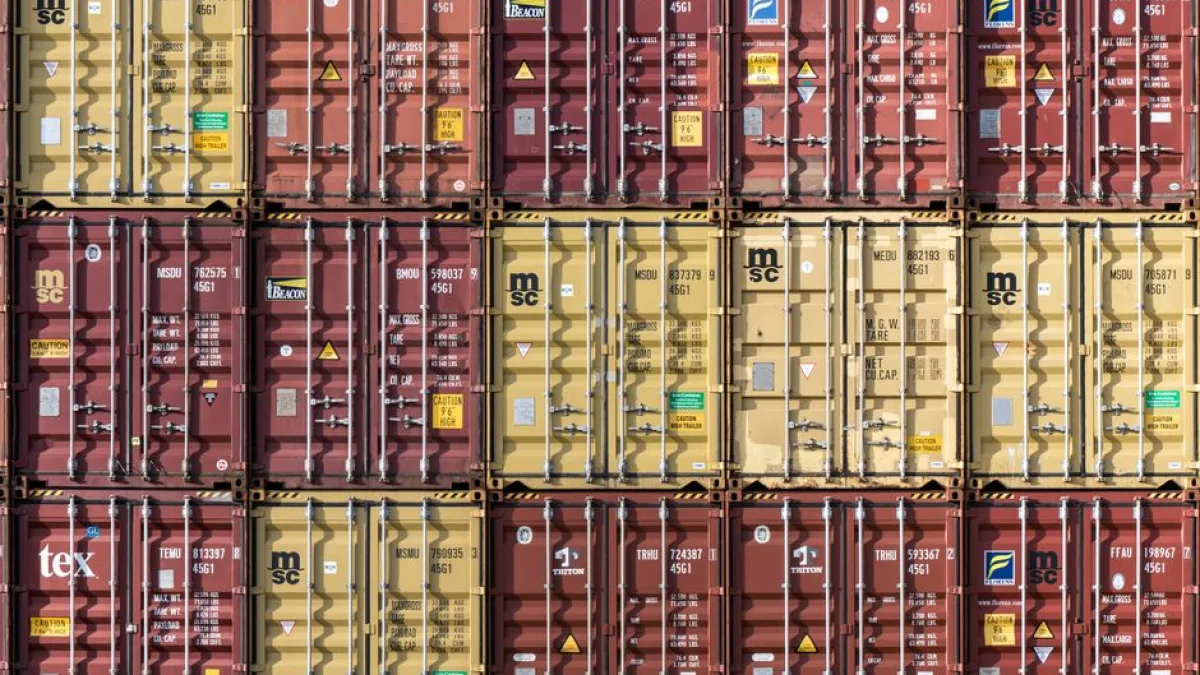
Correct tariff classification is the backbone of compliant international trade. Assigning the wrong HS code to your goods can lead to incorrect duty payments, regulatory penalties, or even the permanent detention of cargo by government authorities globally.
- HS Code Databases: Accessing updated and comprehensive global tariff databases allows your staff to verify codes quickly, ensuring that every declaration reflects the most current regulatory trade requirements.
- Product Master Databases: Maintaining a detailed digital product list helps teams replicate classification data across multiple shipments, reducing the time spent researching codes for repeat cargo items.
- Regular Staff Training: Conducting frequent workshops regarding evolving trade laws keeps your team informed about specific commodity changes that could impact duty rates or import permit requirements.
- Expert Audit Trails: Logging the rationale behind each classification decision serves as an essential defense during official audits, providing clear evidence that your team acted in good faith.
Focusing on classification precision protects your clients from unexpected financial liabilities. As customs agencies utilize AI to detect patterns of misclassification, your ability to provide accurate and defensible data becomes a competitive advantage. Prioritizing this level of detail demonstrates your commitment to professional excellence and long-term regulatory reliability in an industry where accuracy is the only standard that truly matters.
Supply Chain Transparency
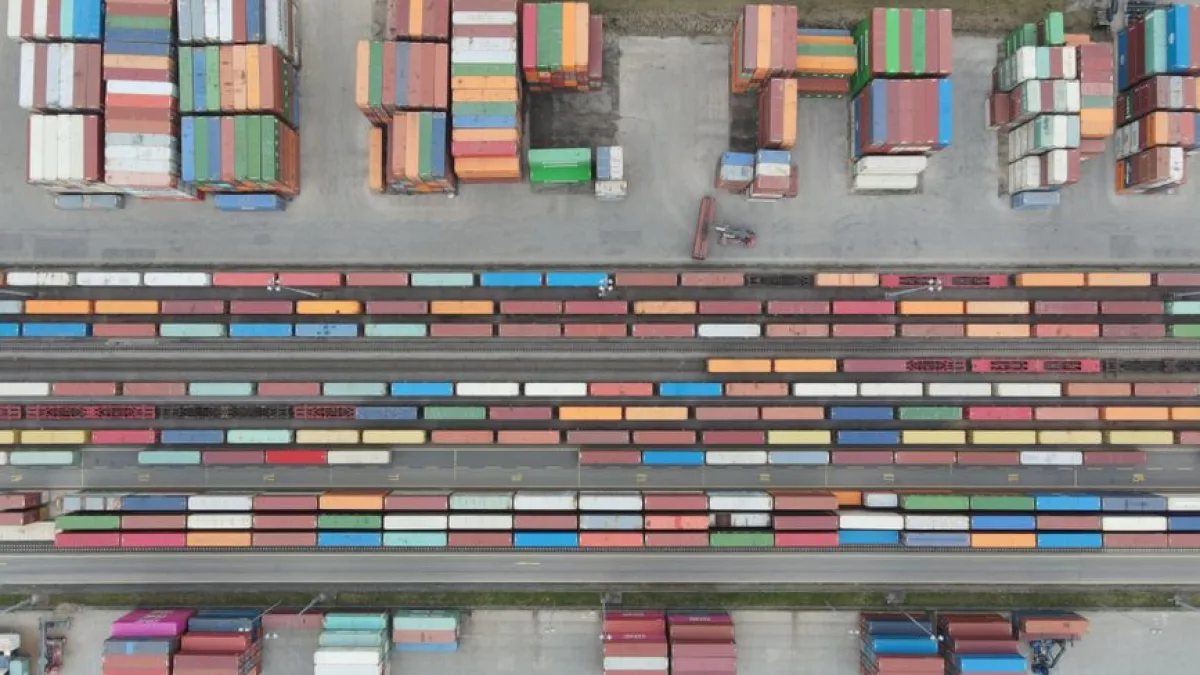
Visibility into the entire lifecycle of a shipment is critical for maintaining customs compliance. Knowing exactly where cargo is located and who handled it provides the necessary oversight to prevent illegal shipments from entering the controlled supply chain.
- Real Time Tracking: Monitoring shipment progress across multiple transit points ensures that any unexpected stops or deviations from the planned route are investigated immediately for security purposes.
- Vendor Compliance Checks: Vetting all third party agents and partners against global watch lists prevents your company from being associated with entities involved in sanctioned trade activities.
- Electronic Seal Verification: Implementing digital tracking for container seals guarantees that cargo remains untouched during transit, which satisfies many high security customs programs around the world.
- Comprehensive Reporting Tools: Generating detailed reports on supply chain activity allows management to identify risks early, enabling proactive adjustments to security protocols before major incidents occur.
Enhanced visibility serves as a primary tool for risk mitigation. When you maintain full oversight of your logistics network, you effectively reduce the opportunities for non-compliance. This level of transparency not only satisfies customs requirements but also builds trust with your clients, who depend on your ability to deliver their goods securely without interference from international regulatory authorities or security agencies.
Proactive Regulatory Monitoring

Trade laws are constantly shifting due to geopolitical changes and local policy updates. A proactive approach to monitoring these developments ensures that your forwarding company remains compliant even when international trade environments become unstable and complex.
- Automated Regulatory Alerts: Subscribing to instant notification services provides your compliance team with the latest information regarding new tariffs, restricted items, or modified import documentation requirements globally.
- Policy Review Cycles: Scheduling quarterly reviews of your internal procedures ensures that your operational workflows always align with the newest legislative updates provided by customs and trade regulators.
- Industry Association Membership: Engaging with professional trade bodies offers valuable insights into emerging compliance trends and common pitfalls that other forwarders encounter in the global trade sector.
- Risk Assessment Planning: Designing response strategies for various regulatory scenarios prepares your organization to pivot quickly when sudden trade bans or new tariff structures are announced unexpectedly.
Staying informed is the only way to navigate the volatility of global markets. By embedding regulatory monitoring into your standard business practices, you transform compliance from a reactive task into a strategic asset. This foresight allows you to advise your clients accurately, guiding them through difficult transitions and positioning your freight forwarding platform as an indispensable partner in their international trade success.
Conclusion
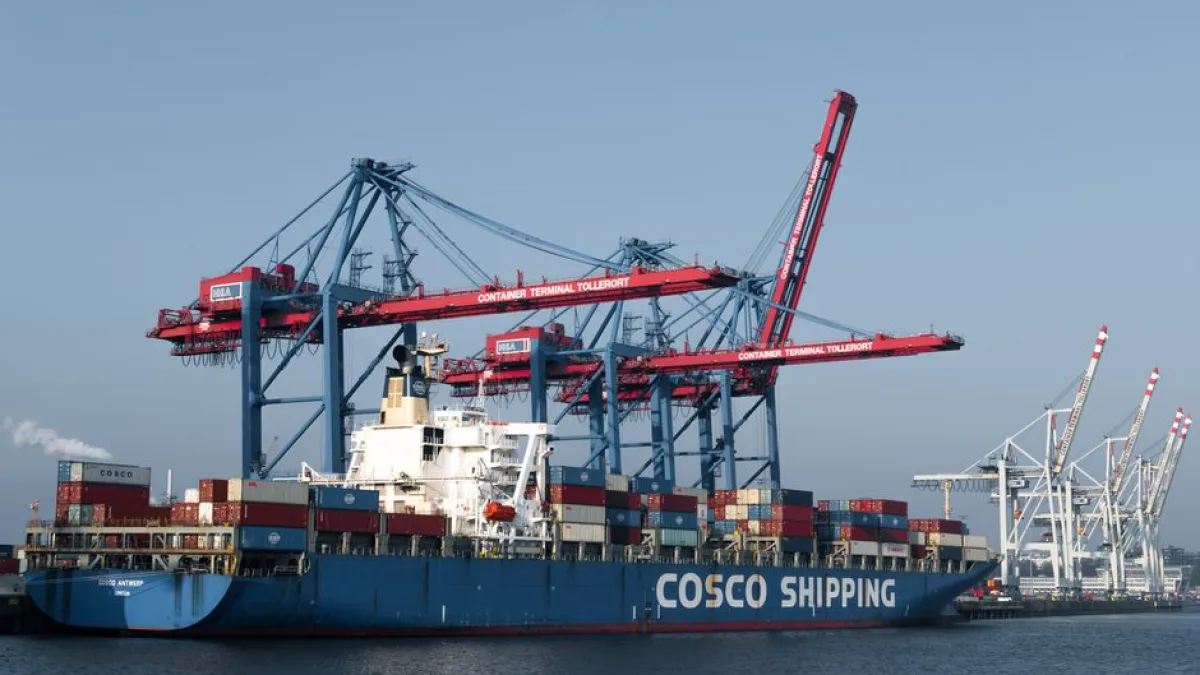
Managing customs compliance is an ongoing effort that demands dedication and technology. By integrating digital tools, ensuring classification accuracy, maintaining supply chain transparency, and monitoring regulatory shifts, you can secure your logistics operations. These steps protect your business from the risks of non-compliance while ensuring smooth movement for your clients. Start optimizing your customs workflows today to achieve long-term growth and operational excellence.