Mastering Customs Compliance: A Freight Forwarder Guide
Saturday, October 24 2026
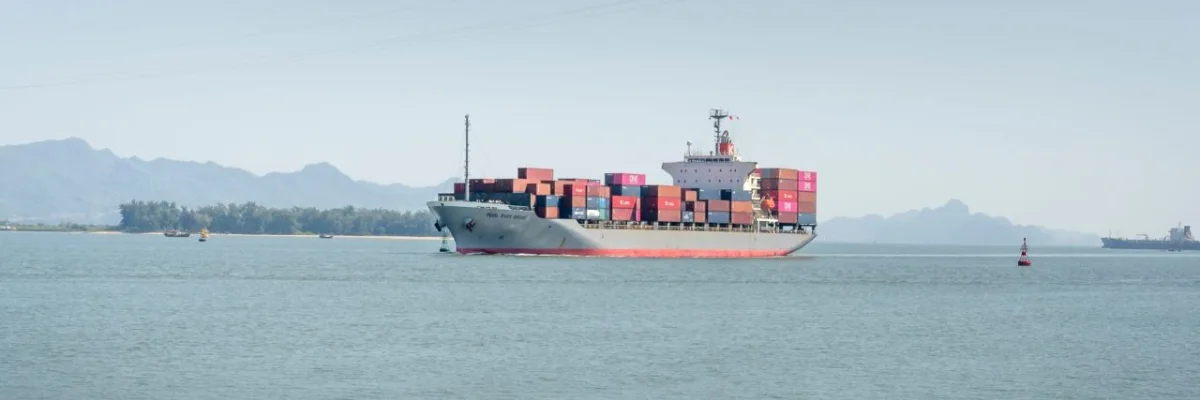
Navigating the complex landscape of global customs compliance remains the most significant challenge for modern freight forwarders today. As regulatory requirements shift across borders and trade policies fluctuate, the risk of fines, delays, and reputational damage grows significantly. Adopting cloud-based technology has become essential for maintaining visibility and ensuring that every shipment adheres to stringent international standards. By integrating robust digital workflows into your logistics operations, your firm can proactively manage risk and provide superior service levels to clients. This guide outlines the core pillars of customs excellence required to remain competitive in today's rapidly evolving global trade environment.
Automating Documentation Processes

Digital transformation simplifies the way forwarders manage complex paperwork by removing manual errors and data silos. By digitizing documentation, firms create a single source of truth that ensures all declarations are accurate, timely, and accessible for audit purposes when regulators request information.
- Data accuracy validation: Automated systems cross-reference shipment details against harmonized tariff schedules to ensure that commodity classifications are correct and avoid potential penalties during final customs clearance procedures.
- Centralized document storage: Keeping all commercial invoices, packing lists, and certificates of origin in a secure cloud repository ensures that your team can retrieve files instantly during inspections.
- Workflow approval cycles: Structured digital approval processes prevent incomplete or unauthorized paperwork from entering the customs portal, reducing the likelihood of costly administrative errors during the export submission phase.
- Real-time status tracking: Integrating document status updates into your dashboard allows logistics teams to monitor progress and intervene immediately if a file is flagged for further review.
Transitioning to automated documentation allows your staff to focus on strategic growth rather than repetitive manual entry tasks. By reducing the time spent chasing signatures or correcting basic typos, you significantly lower the operational overhead of your freight business. Efficient document management acts as the foundation for scalability, ensuring that your team can handle increased shipment volumes without compromising on strict regulatory adherence standards.
Managing Harmonized Tariff Codes
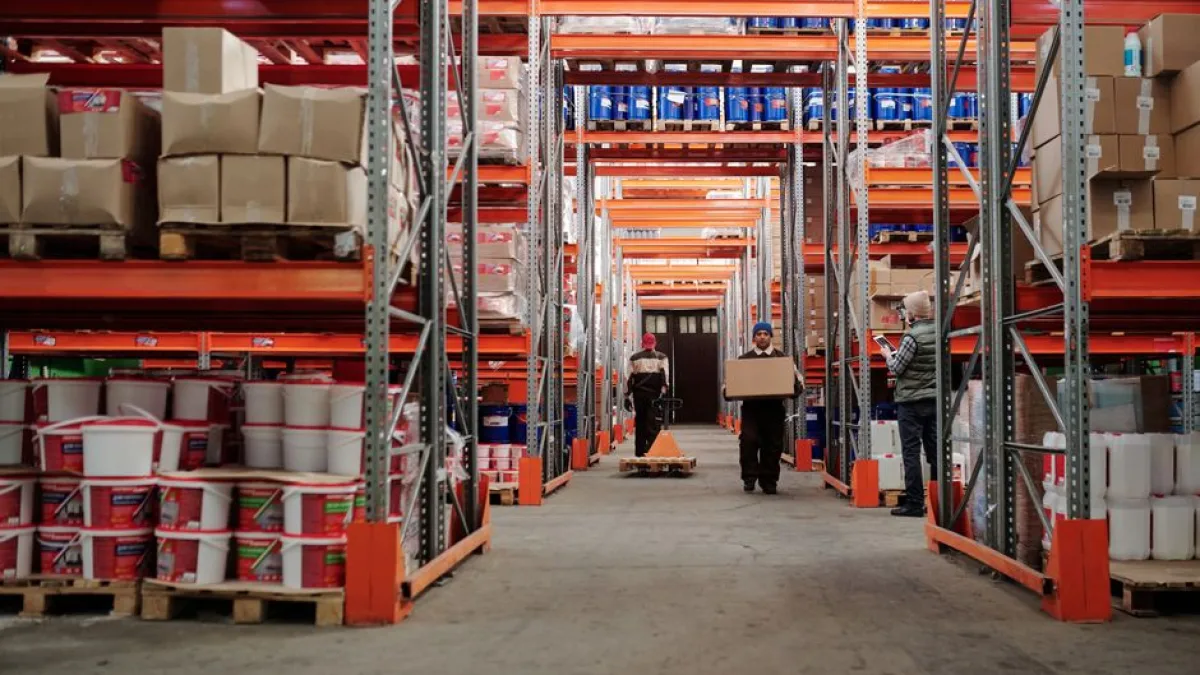
The correct classification of goods is the backbone of compliant international shipping. Misclassifying products can lead to improper duty payments, trade sanctions, or seized cargo. Forwarders must rely on dynamic software tools to maintain updated tariff databases for every operating region.
- Automated classification tools: Modern software leverages historical data and AI to suggest accurate Harmonized System codes, helping forwarders minimize risks associated with subjective or incorrect commodity identification processes.
- Regular regulatory updates: Systems that receive direct feeds from global customs authorities ensure that your classification data remains current, preventing reliance on outdated codes that trigger audits.
- Duty optimization strategies: Advanced platforms analyze duty rates across different jurisdictions to help clients make informed decisions regarding supply chain routing, effectively managing costs while maintaining compliance.
- Audit trail history: Storing the logic behind your classification choices provides a necessary defense during customs investigations, showing authorities that your firm operates with diligence and transparency.
Mastering tariff classification requires a balance between human expertise and machine intelligence. By utilizing sophisticated classification software, your team avoids the pitfalls of manual errors that often plague traditional shipping operations. Proactive classification management not only protects your firm from costly penalties but also improves the overall experience for your customers by providing reliable cost estimates and faster border clearance speeds.
Navigating International Trade Regulations
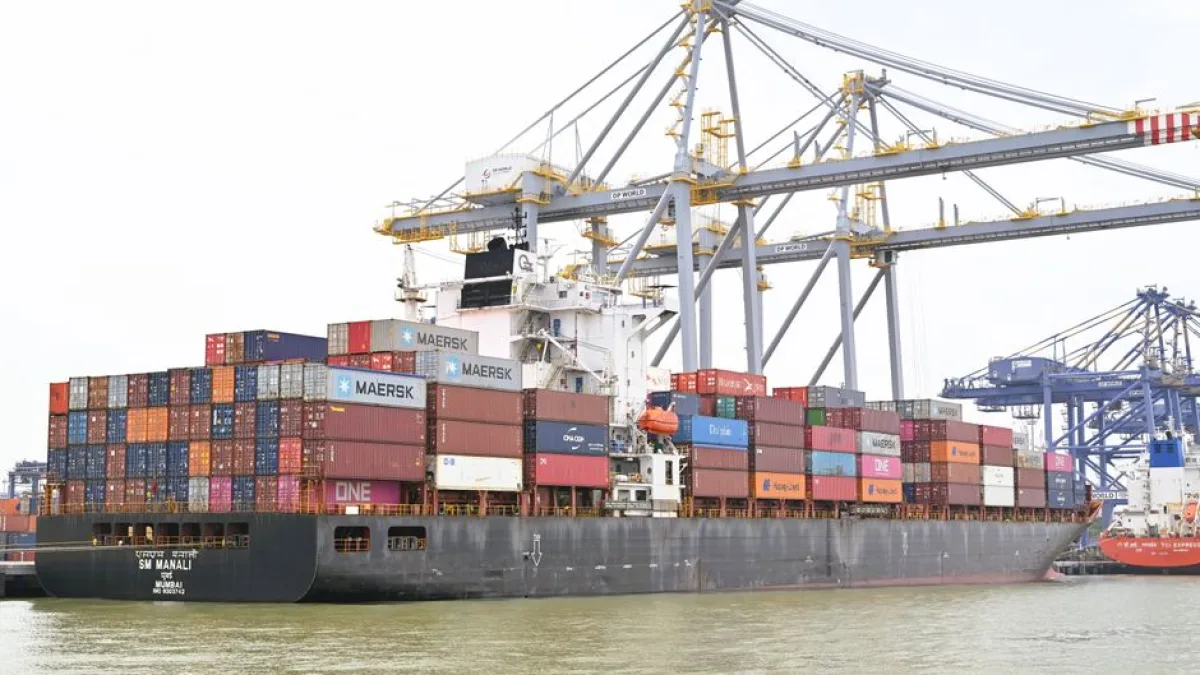
Global trade rules change constantly, requiring forwarders to stay informed about regional sanctions, export controls, and import restrictions. A proactive approach to regulatory monitoring ensures that your logistics network remains functional, compliant, and prepared for sudden shifts in political or economic policies.
- Real-time trade alerts: Subscription-based services integrated into your platform provide instant notifications about changes in trade policy, allowing you to adjust operational strategies before shipments depart origin ports.
- Sanctioned party screening: Automated checks against denied party lists protect your company from unknowingly engaging in business with prohibited entities, which is critical for maintaining legal standing globally.
- Import license tracking: Monitoring expiry dates for essential permits ensures that your firm remains compliant with local laws, preventing logistical bottlenecks caused by expired or missing regulatory documentation.
- Customs bond management: Tracking your clients bonds through a cloud dashboard helps prevent coverage lapses that could lead to significant financial liability or shipment delays at arrival.
Maintaining a high level of regulatory intelligence is what separates successful freight forwarders from the rest of the industry. By embedding compliance monitoring directly into your daily operations, you effectively turn regulatory hurdles into competitive advantages. Your ability to provide accurate guidance in the face of complex international law establishes deep trust with clients and positions your firm as an industry leader.
Enhancing Stakeholder Visibility

Clear communication between forwarders, shippers, and customs authorities reduces friction and speeds up the entire supply chain. Providing stakeholders with transparent access to customs statuses builds long-term loyalty and reduces the volume of repetitive status update requests handled by your support staff.
- Client-facing dashboards: Giving your customers direct access to their shipment customs milestones provides instant peace of mind and reduces the administrative burden on your internal support departments.
- Automated status notifications: Triggering email or SMS alerts for key customs events keeps all parties informed, allowing for rapid problem-solving whenever a shipment hits a regulatory snag.
- Customs broker collaboration: Shared digital workspaces allow external brokers to access necessary documents instantly, creating a unified ecosystem that accelerates the speed of customs clearance for every shipment.
- Exception management alerts: Proactive notifications for cargo on hold allow your team to address issues immediately, minimizing dwell time and keeping the global supply chain moving efficiently.
Transparency is the ultimate tool for modernizing your freight forwarding business. When all stakeholders have access to the same reliable data, the likelihood of miscommunication or delays drops significantly. By leveraging cloud technology to foster this level of openness, you ensure that your operations are not just compliant, but also highly efficient and responsive to the needs of the modern international marketplace.
Conclusion
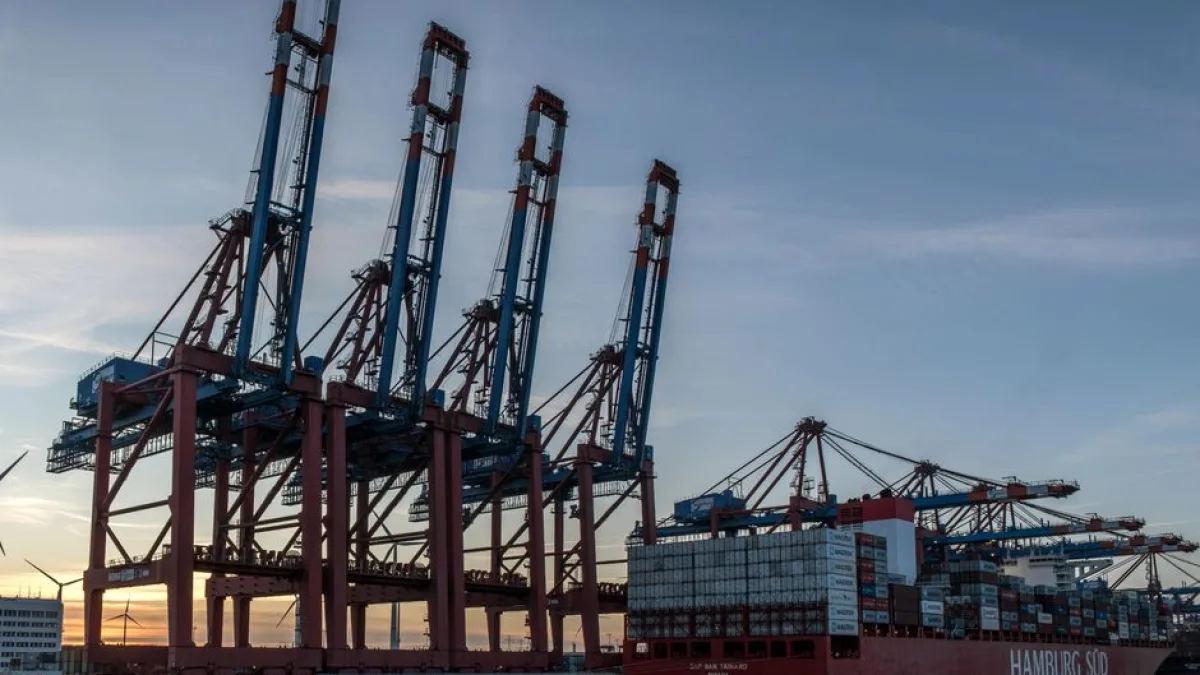
Achieving mastery in customs compliance is an ongoing journey that requires dedication to accuracy and the right technological tools. By automating your documentation, refining tariff classification, monitoring global regulations, and fostering stakeholder transparency, you secure your firm against the risks of modern trade. MakeCargo provides the cloud infrastructure necessary to streamline these complex processes and empower your team to focus on achieving excellence.