Mastering Customs Compliance in Modern Freight Forwarding
Sunday, October 25 2026
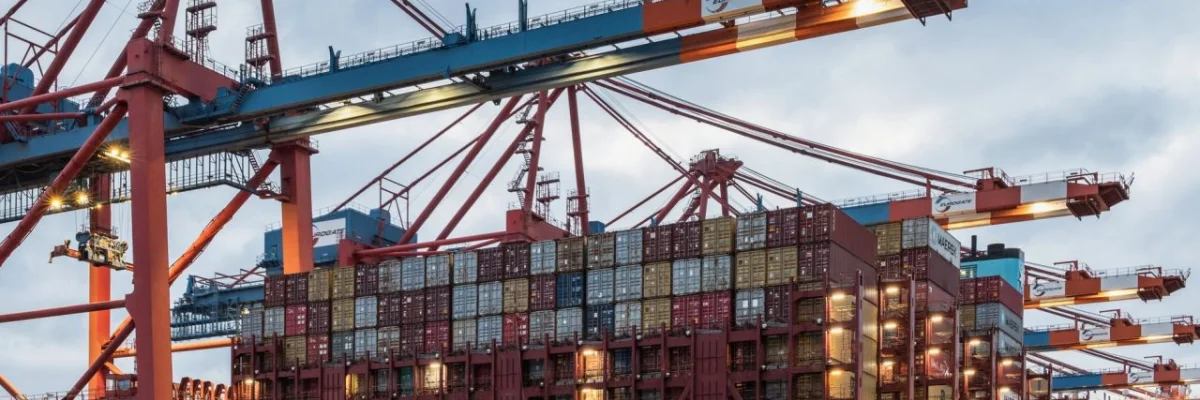
Navigating the complex landscape of global trade requires a sophisticated approach to customs compliance that balances speed with absolute accuracy. For freight forwarders, the regulatory environment is constantly shifting as governments implement new security mandates and trade agreements. Failing to meet these stringent requirements can result in costly delays, severe penalties, and damaged client trust. By integrating advanced cloud technology into your daily workflows, you can proactively manage documentation and ensure seamless border crossings. This article explores how industry leaders leverage digital tools to stay ahead of the curve while maintaining full regulatory adherence in every transaction they handle today.
Digital Documentation Efficiency

Modern customs clearance relies heavily on the precision of digital documentation stored within a centralized system. Utilizing automated software allows freight forwarders to minimize human error and ensure that every regulatory form matches the actual cargo details provided by global shippers.
- Real-time validation tools: Automated checks compare data against international trade databases to ensure all required fields are populated correctly before the electronic declaration reaches the local customs authorities for processing.
- Centralized document storage: Cloud-based repositories provide instant access to invoices, packing lists, and certificates of origin for all stakeholders, reducing the risk of missing papers during physical terminal inspections.
- Automated audit trails: Systems record every change made to a customs entry document, creating a transparent history that protects your business during official government audits or internal reviews.
- Smart template integration: Standardized forms reduce preparation time significantly by auto-filling recurring client information, which allows your logistics team to focus on resolving complex classification issues instead of manual data.
Adopting these digital practices transforms your compliance department from a reactive group into a proactive partner. By streamlining the document preparation process, you eliminate bottlenecks that often stall ocean or air freight shipments at major hubs. Technology acts as a critical buffer against the rising complexity of international trade laws, ensuring that your firm maintains high performance levels throughout the entire shipping cycle.
Tariff Classification Accuracy
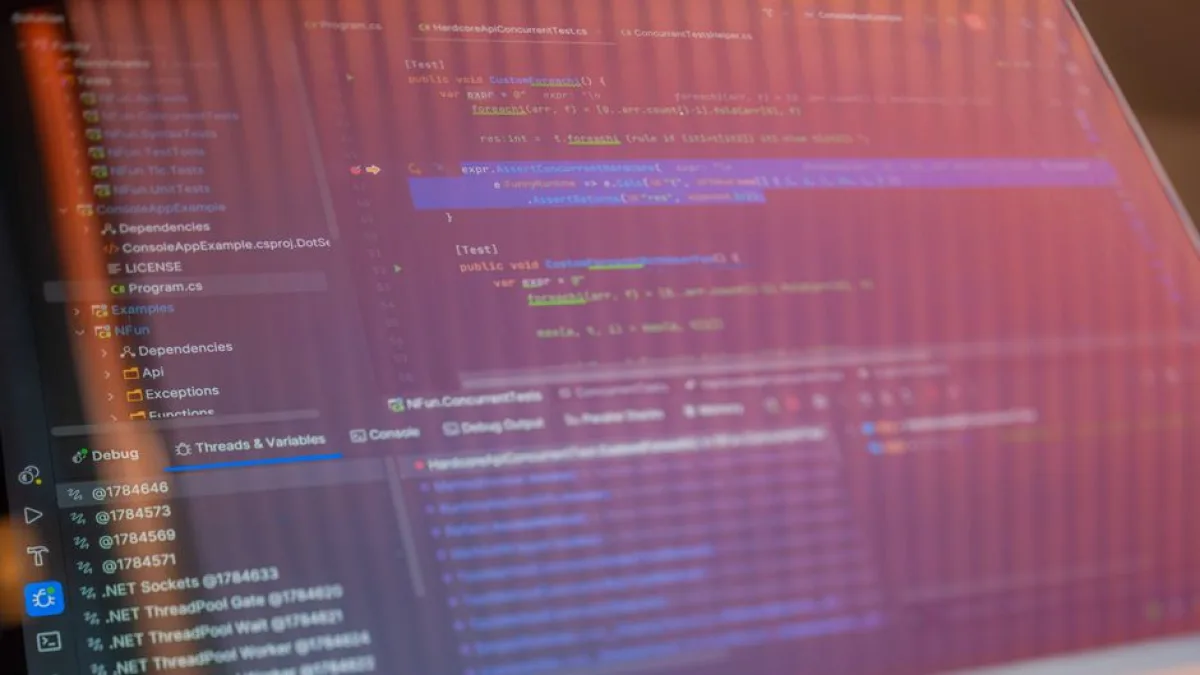
Correctly classifying goods is the most fundamental aspect of international trade compliance that directly impacts the bottom line of your clients. Using automated tariff lookup tools helps forwarders avoid misclassification, which is a frequent trigger for expensive audits and heavy fines.
- Global tariff databases: Accessing updated HS code libraries directly inside your freight software prevents the use of outdated classifications that often lead to inaccurate duty payment calculations during entry.
- AI-powered classification assistance: Machine learning algorithms analyze historical shipping data to suggest the most appropriate codes for new products based on previous successful customs clearance records and established industry patterns.
- Client-specific product libraries: Building a custom database of your frequent shipper goods ensures that every team member uses identical descriptions and codes to maintain consistent compliance across every shipment.
- Regular compliance updates: Software platforms notify your operations team about changes in duty rates or trade restrictions immediately, allowing for quick adjustments before shipments arrive at the destination country.
Precision in classification is not just about avoiding penalties, but also about securing your reputation as a reliable logistics partner. When you provide accurate HS codes, you help your clients optimize their duty costs and avoid unnecessary delays during the import process. This dedication to technical accuracy serves as a competitive advantage that encourages long-term retention and builds strong trust among your global accounts.
Supply Chain Security Protocols
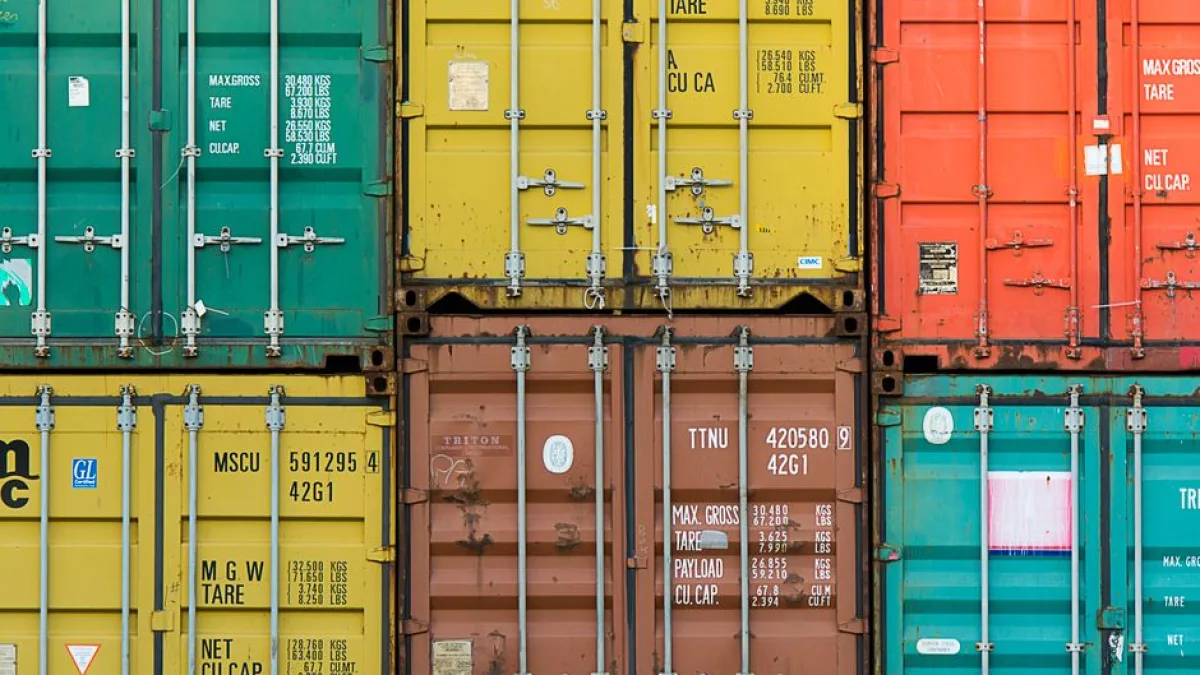
Global supply chain security depends on the rigorous application of standardized protocols that verify the integrity of every container. Freight forwarders play a central role in implementing these programs to satisfy border agencies and keep international trade moving safely forward.
- Authorized Economic Operator: Achieving AEO status signals that your logistics operations meet high security standards, which often results in faster clearance times and fewer physical cargo inspections globally.
- Integrated screening tools: Modern software platforms feature modules for screening parties against denied person lists, ensuring your company avoids illegal dealings with sanctioned entities or restricted individuals worldwide.
- Digital seals and tracking: Monitoring container integrity through smart sensors allows you to report any unauthorized opening to the authorities instantly, which maintains the chain of custody for imports.
- Vendor compliance auditing: Automated surveys allow you to monitor the security practices of your carrier partners and subcontractors, ensuring the entire supply chain remains robust and fully compliant always.
Maintaining high security standards is essential for long-term operational success in the current geopolitical climate. By investing in robust security tracking and partner vetting processes, you protect your clients from cargo theft and severe regulatory backlashes. Freight forwarders that prioritize visibility and proactive risk management are better prepared to handle unforeseen disruptions, ensuring that their logistics services remain reliable and completely secure every day.
Data Integration and Visibility

Comprehensive visibility is the final piece of the compliance puzzle for forwarders managing diverse shipments across multiple borders. Connecting your software to customs portals provides the transparency required to troubleshoot issues immediately before they escalate into serious operational problems or costly legal disputes.
- Direct customs connectivity: Establishing direct electronic data interchange links with national customs systems allows for immediate status updates on shipment clearance, significantly reducing the waiting time for your teams.
- Unified reporting dashboards: Executive dashboards consolidate data from multiple regions to provide a high-level view of compliance metrics, helping management identify recurring problems within the supply chain networks.
- Automated status notifications: Trigger-based alerts inform your staff exactly when a shipment enters the customs hold queue, enabling rapid intervention to provide additional documentation or clarification to authorities.
- Third-party system syncing: Linking your freight software with warehouse management systems ensures that the data used for customs declarations is always synchronized with the actual inventory counts stored on-site.
When your data is fully integrated, the complexity of customs compliance becomes significantly easier to manage and scale. Real-time visibility empowers your team to act decisively rather than guessing the status of a stalled shipment. By leveraging these powerful data tools, you maintain a seamless flow of information that drives operational excellence and provides the clarity needed for modern global trade management success.
Conclusion

Mastering the intricacies of customs compliance is a vital necessity for any growing freight forwarding firm. By adopting integrated cloud software, you can automate documentation, improve classification accuracy, and enhance overall supply chain security. These efforts reduce your operational risk while providing a superior experience for your clients. Start leveraging these digital tools today to ensure your logistics business remains compliant and highly efficient.