Mastering Customs Compliance in Modern Freight Forwarding
Wednesday, October 28 2026
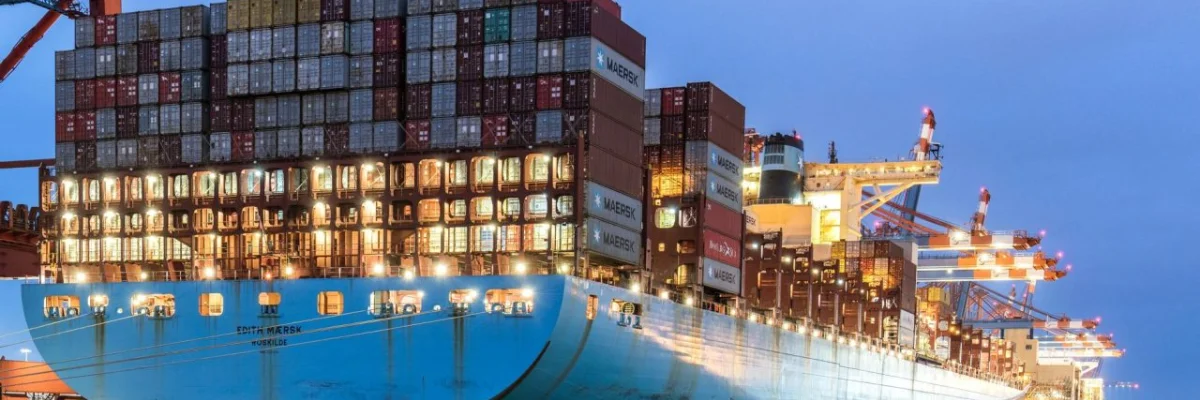
Global trade relies on the seamless movement of goods across borders, but stringent customs regulations often create significant bottlenecks for freight forwarders. As supply chain complexity grows, the pressure to maintain absolute accuracy in declarations and documentation has never been higher. Failure to comply can result in heavy financial penalties, shipment delays, and reputational damage for logistics providers. Modern software solutions are changing this landscape by automating compliance checks and ensuring that data flows perfectly between stakeholders. By embracing digital tools, forwarders can turn regulatory hurdles into a competitive advantage while reducing the risk of human error in daily operations.
Digital Documentation Precision

Automating your documentation process is the first step toward achieving compliance excellence. By utilizing cloud-based systems, you can eliminate manual errors, ensure data consistency across multiple formats, and speed up the submission process for customs brokers and authorities worldwide.
- Real-time data synchronization: Our platform ensures that every shipment detail is updated across all systems instantly, preventing discrepancies that often trigger manual reviews by customs border officials during transit.
- Standardized data entry: By implementing templates and mandatory fields, we ensure that your staff submits complete information, reducing the likelihood of rejected entries due to missing documentation.
- Automated error detection: The software flags potential compliance issues before submission, allowing your team to rectify mistakes early and avoiding the costly delays associated with incorrect customs filings.
- Audit trail transparency: Every interaction with your customs documents is logged, providing a clear history of changes and approvals that simplifies the process during any future regulatory audit.
Adopting digital documentation is not just about speed but about building a foundation of reliability. When your data is clean and consistent, customs authorities are more likely to clear your shipments without additional scrutiny. This transition shifts your focus from reactive firefighting to proactive management, giving your team the peace of mind that every filing meets current international standards and local requirements.
Streamlining Tariff Classification
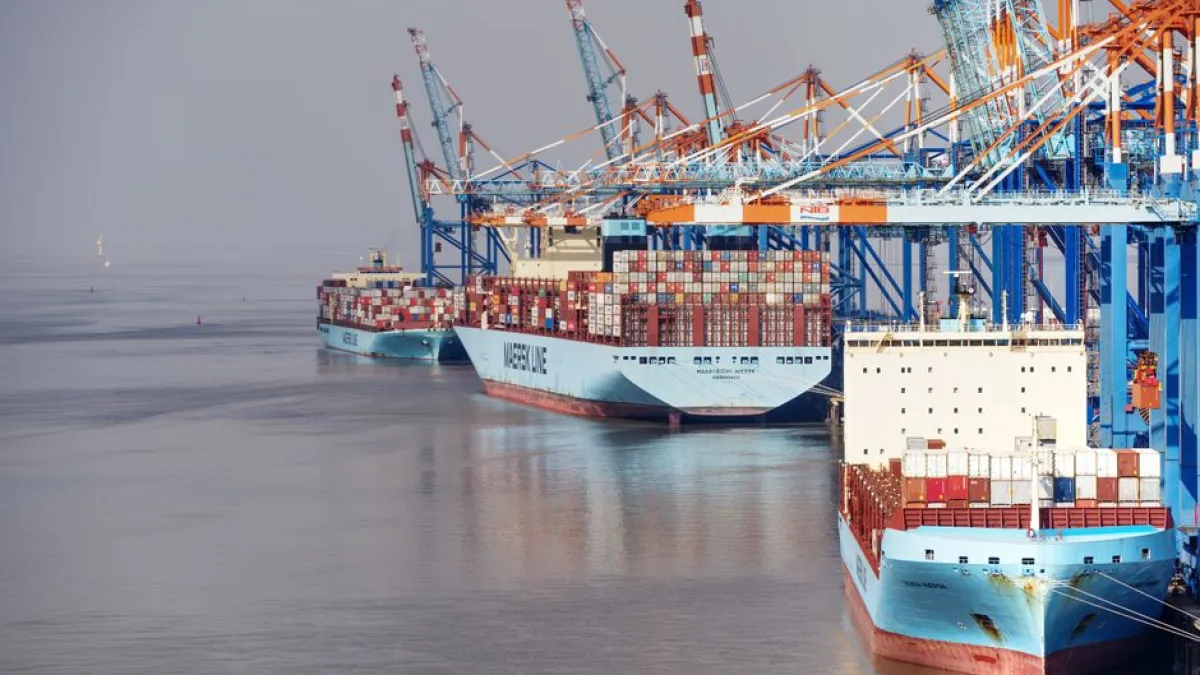
Proper tariff classification is essential to ensure that the correct duties and taxes are paid at the border. Incorrect codes can lead to unexpected expenses and legal complications that disrupt the flow of goods through international ports and terminals.
- Integrated tariff databases: Access global HS codes directly within your workflow to ensure that you are applying the most current tax classifications for every specific type of cargo.
- Intelligent code suggestions: Our system leverages historical data to suggest relevant codes, helping your operations team identify the correct classification for complex goods with high levels of accuracy.
- Duty calculation tools: Estimate customs duties automatically to keep your clients informed about landed costs, which helps in maintaining transparent financial planning throughout the shipping lifecycle for everyone.
- Compliance validation rules: Set up specific validation steps for high-risk goods to ensure that they are correctly classified and accompanied by necessary permits before leaving the origin.
Precision in classification is the backbone of efficient customs operations. By reducing the margin for error, you protect your clients from financial losses and build trust with customs agents. This proactive approach to managing duty and tax complexities ensures that your shipments move through borders smoothly, saving valuable time and money while positioning your freight forwarding business as a reliable, high-performing industry partner.
Optimizing Risk Management Protocols

Managing risk in customs compliance requires a forward-thinking approach that identifies potential problems before they escalate. By integrating risk assessment tools into your freight software, you can effectively monitor shipments and ensure adherence to all international trade laws.
- Proactive shipment monitoring: Keep track of every load in real-time, receiving instant alerts if a shipment triggers a compliance flag or requires additional documentation during the transit process.
- Vendor compliance verification: Screen partners and suppliers against global watchlists to ensure that your network remains clean and compliant with international security and trade regulations daily.
- Historical risk reporting: Analyze past shipments to identify trends or frequent issues, allowing you to improve your standard operating procedures and reduce overall risk exposure significantly.
- Regulatory update notifications: Receive automated updates about changes in international customs law so that your team can adapt workflows quickly and avoid accidental violations of new mandates.
Building a robust risk management framework allows your organization to navigate the volatile world of international trade with confidence. Instead of constantly worrying about compliance failures, you gain the ability to predict and prevent them. This structured method of oversight helps you safeguard your business, retain key clients, and maintain a reputation for excellence in a demanding and highly regulated industry.
Leveraging Advanced Reporting Analytics

Data is the most powerful tool a freight forwarder has to improve compliance. Advanced reporting features allow you to gain actionable insights into your performance, identifying areas where you can optimize your customs processes for better results and higher productivity.
- Customizable performance dashboards: Visualize your compliance metrics through intuitive charts that track key performance indicators such as clearance times and error rates across all your shipments.
- Automated compliance reporting: Generate detailed reports for management or external stakeholders that highlight how well your processes are functioning and where potential improvements might be implemented soon.
- Exception reporting focus: Quickly isolate shipments that experienced delays or compliance issues, allowing your team to investigate root causes and implement corrective actions for future business cycles.
- Trend analysis insights: Spot recurring patterns in your customs clearance data to anticipate seasonal challenges and allocate resources efficiently to handle increased volumes without sacrificing your standards.
Analytics turn raw shipment data into a roadmap for operational success. By consistently measuring your performance, you can identify hidden inefficiencies and make data-driven decisions that improve your compliance record. Utilizing these insights helps you provide better service to your clients while maintaining a lean, effective team that can handle the complexities of modern global logistics with speed, precision, and complete regulatory confidence.
Conclusion

Mastering customs compliance is the key to scaling your freight forwarding business in today's global market. By leveraging modern technology, you can reduce errors, avoid costly delays, and build lasting trust with your clients. Start implementing these digital strategies today to streamline your operations and ensure that every shipment remains fully compliant with international trade laws while achieving peak operational efficiency.