Mastering Customs Compliance in Modern Freight Forwarding
Wednesday, October 28 2026
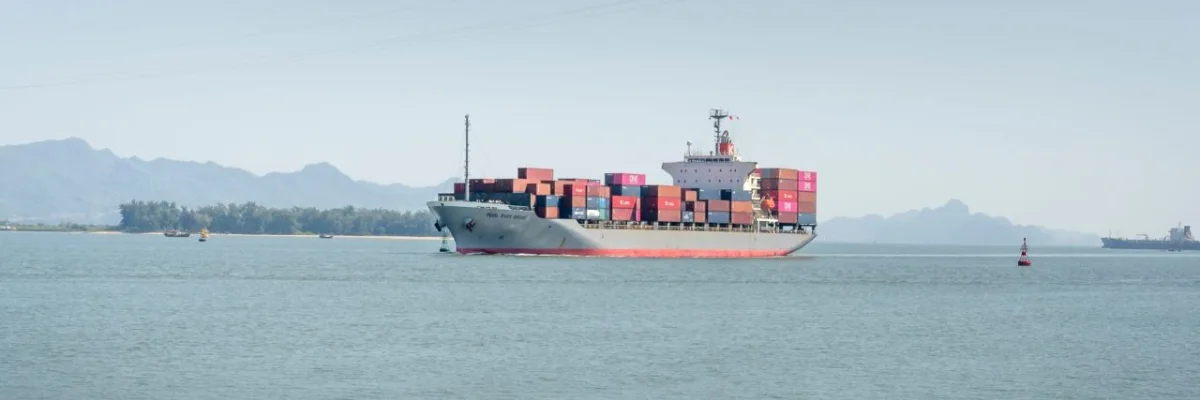
Global trade complexity is rising at an unprecedented pace, leaving freight forwarders to navigate a labyrinth of international regulations and shifting tariff structures. For modern logistics providers, achieving seamless customs clearance is no longer just a service offering but a fundamental pillar of operational success. By leveraging automated digital platforms, forwarders can minimize human error, reduce costly cargo delays, and ensure full transparency throughout the supply chain. This article explores how adopting smarter compliance strategies helps companies maintain a competitive edge while safeguarding client interests against the common pitfalls of international shipping and complex cross-border documentation requirements.
Digitizing Essential Documentation

Modernizing your documentation workflow is vital for handling high-volume shipments efficiently while maintaining strict regulatory oversight. Digital systems replace error-prone manual entry methods with automated validation protocols that ensure data integrity across every stage of the logistics process for clients.
- Automated Data Entry: Implement software solutions that extract information directly from commercial invoices to populate customs declarations, effectively removing the risk of manual typing errors during stressful peak periods.
- Standardized Filing Processes: Utilize centralized cloud platforms to maintain uniform document templates, which ensures that every declaration submitted to customs authorities meets the specific requirements of international trade laws.
- Real-time Document Auditing: Deploy automated validation tools that scan documentation for missing fields or inconsistencies before submission to prevent costly penalties or delays at the border checkpoints.
- Cloud-based Secure Storage: Retain all digital records in a centralized, encrypted environment, allowing your team to retrieve essential compliance documents instantly during audits or specific customs inspection requests.
- Digital Signature Integration: Adopt electronic signature workflows to accelerate the signing of bills of lading and commercial invoices, eliminating the physical paper trail that often hinders international operations.
By transitioning to a fully digital documentation strategy, your firm gains the agility required to handle complex cross-border trade effortlessly. This digital maturity allows your team to focus on strategic client support rather than fixing avoidable clerical mistakes. As global regulations tighten, maintaining high quality digital records serves as your primary defense against compliance breaches and helps you build long term trust with regulators.
Navigating Evolving Tariff Landscapes

Staying ahead of frequent tariff adjustments requires a proactive approach to monitoring international trade policies and geopolitical shifts. Forwarders must actively adapt their pricing models and compliance strategies to protect their clients from sudden cost fluctuations and regulatory surprises.
- Live Tariff Monitoring: Use specialized software that updates harmonized system codes in real time, ensuring that your declared goods are always associated with the most current tax rates.
- Advanced Classification Assistance: Deploy AI-driven tools that suggest accurate HS codes based on item descriptions, reducing the likelihood of misclassification penalties or unforeseen duty payments for clients.
- Proactive Risk Analysis: Review trade agreements and regional trade blocks regularly to identify duty reduction opportunities, providing added value to clients through strategic logistics planning and route optimization.
- Customizable Alert Systems: Configure notification tools that inform your operations team about sudden policy changes in key markets, enabling quick adjustments to ongoing shipping documentation and strategy.
- Financial Impact Forecasting: Use analytical dashboards to estimate the potential financial impact of tariff changes on specific trade lanes, allowing for better budgeting and client communication.
Proactive tariff management transforms the customs process from a purely reactive task into a strategic advantage. By staying informed and utilizing modern technology to track global trade policy updates, your team can guide clients through complex duty environments with confidence. This level of foresight protects profit margins and solidifies your reputation as a reliable partner capable of navigating volatile market conditions effectively.
Optimizing Cross Border Visibility

Transparency throughout the customs clearance journey is essential for maintaining client satisfaction and operational efficiency. Providing clear, live updates on clearance statuses helps forwarders set accurate expectations and resolve potential issues long before they escalate into serious logistical bottlenecks.
- Live Tracking Dashboards: Provide clients with access to a transparent dashboard that displays the current clearance status of their shipments in real time from anywhere.
- Automated Status Notifications: Configure the system to send automatic updates to stakeholders whenever a shipment clears customs or requires additional documentation to proceed to transit.
- Exception Management Alerts: Receive instant notifications when a shipment is flagged for a customs inspection, allowing your team to provide documentation quickly and minimize detention.
- Communication Hub Integration: Facilitate direct communication between local agents and internal teams within the software, ensuring that everyone remains aligned regarding current shipment status and requirements.
- Detailed Historical Reporting: Generate comprehensive reports for clients that show average clearance times, helping them identify patterns and optimize their own supply chain planning efforts efficiently.
Enhancing visibility turns the black box of customs clearance into an open and predictable process for all stakeholders. When clients can monitor their shipments alongside your team, the need for time-consuming status queries drops significantly. This transparency fosters stronger client relationships, reduces operational anxiety, and positions your freight forwarding business as a transparent leader in an otherwise opaque and complex global industry.
Leveraging Regulatory Technology Tools

Investing in specialized compliance software is the most effective way to scale your forwarding business while ensuring adherence to international standards. These tools reduce the reliance on external consultants and empower internal teams to handle increasingly complex global trade requirements independently.
- Integrated Compliance Modules: Select cloud platforms that feature built-in compliance modules, allowing your staff to check restricted party lists and embargoed countries directly within the shipping workflow.
- Scalable System Architecture: Choose software that grows with your business, ensuring that your compliance infrastructure can handle larger volumes and more complex trade lanes as needed.
- Internal Audit Trails: Use software features that record every change made to a declaration, providing a transparent audit trail for internal reviews and government inspections alike.
- Collaborative Tool Suites: Enable seamless collaboration between your global offices through shared compliance platforms, ensuring that all regional branches follow the same high standards of operation.
- Continuous System Updates: Rely on SaaS platforms that automatically push software updates to reflect the latest global trade regulations, saving your IT team significant time and effort.
Adopting robust regulatory technology ensures that your operations remain compliant without sacrificing the speed required for modern logistics. By automating the most tedious aspects of the customs process, you empower your staff to handle high stakes tasks with greater accuracy and less stress. This investment not only protects your firm from costly non-compliance risks but also supports long-term growth and operational stability.
Conclusion

Building a resilient customs and compliance framework requires a combination of modern software and proactive strategy. By embracing digital tools for documentation, monitoring tariff changes, enhancing visibility, and utilizing technology for regulatory compliance, freight forwarders can effectively overcome the challenges of global trade. Start optimizing your current workflows today to ensure your team remains compliant, efficient, and ready to compete in the global market.