Mastering Customs Compliance: A Modern Guide for Freight Forwarders
Friday, October 30 2026

Global trade relies heavily on the seamless flow of goods across international borders, yet customs compliance remains the most significant hurdle for modern freight forwarders. With shifting regulations, complex tariff structures, and the constant threat of border delays, staying ahead of requirements is essential for maintaining client trust and operational efficiency. Digital transformation provides the tools necessary to navigate these intricate landscapes with precision and speed. By adopting automated compliance solutions, forwarders can mitigate financial risks, avoid heavy penalties, and ensure that every shipment reaches its destination without unnecessary administrative friction, ultimately setting a new standard for excellence in the logistics industry.
The Digital Transition

Transitioning from paper-heavy processes to integrated cloud platforms changes how agents handle documentation. Digital tools provide real-time updates on changing international trade laws, ensuring that every shipment meets specific local requirements before reaching the port, which drastically reduces errors during the clearance phase.
- Automated Classification Engines: Sophisticated software algorithms analyze product descriptions to determine accurate Harmonized System codes, ensuring that your tax calculations remain precise while reducing risks associated with manual data entry errors.
- Centralized Document Storage: Keeping all critical customs paperwork in a single cloud repository ensures that your team can retrieve necessary files instantly during audits or sudden customs inspections.
- Real-time Regulatory Updates: Modern platforms push automated notifications regarding sudden tariff changes or new compliance mandates, allowing your operational teams to adjust their strategies before shipments face any delays.
- Integration with Authorities: Direct connectivity between your freight software and government customs portals streamlines the electronic filing process, significantly cutting down the time spent waiting for cargo approvals.
- Enhanced Data Accuracy: Automating the transfer of shipping information minimizes the potential for human error, which is the leading cause of administrative delays at busy international border crossings.
Adopting these technological solutions does more than just speed up the clearance process. It provides your agency with a competitive advantage by offering clients superior transparency. When your team uses integrated systems to manage customs, you reduce the workload on staff while increasing the reliability of your service. This proactive approach transforms compliance from a burdensome administrative duty into a streamlined value-added service for customers.
Mitigating Global Trade Risks
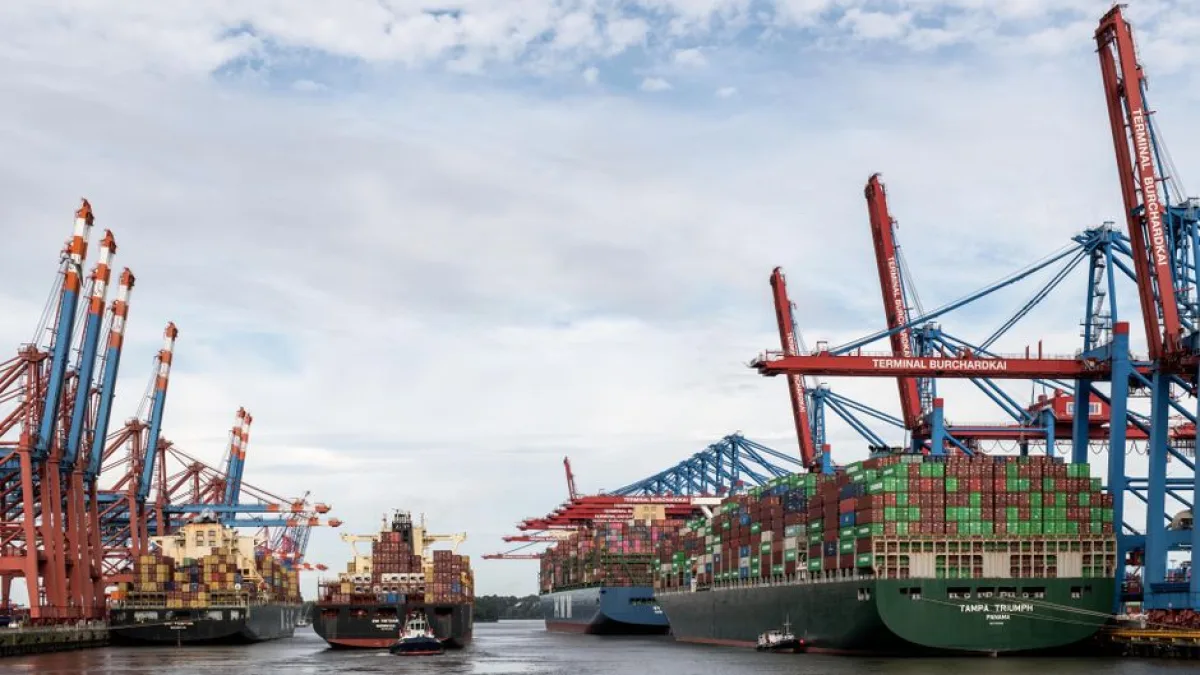
Freight forwarders operate in a world where unforeseen geopolitical events can change trade rules overnight. Managing these risks requires a robust framework that combines deep industry expertise with agile software solutions designed to monitor global cargo movements and compliance requirements consistently.
- Risk Profiling Tools: Utilize advanced analytics to identify shipments that are likely to trigger inspections, allowing your team to double-check paperwork before the cargo arrives at the facility.
- Sanctioned Party Screening: Automated screening software checks all parties involved in a shipment against updated international denied party lists to ensure you avoid accidental trade violations.
- Audit Trail Management: Maintaining a comprehensive and immutable record of every document and communication related to a shipment provides necessary protection during potential government audits or investigations.
- Tariff Engineering Support: Leverage data tools to assess the impact of fluctuating duties and taxes on your client shipments, helping them make more informed decisions regarding international sourcing.
- Compliance Monitoring Dashboards: Centralized dashboards provide a high-level view of your entire supply chain, making it simple to track the status of customs clearances across multiple global territories.
Effective risk mitigation relies on constant vigilance and the right digital infrastructure. By prioritizing data integrity and staying informed about international developments, your agency protects its reputation and bottom line. Implementing these safeguards ensures that you are ready for any scenario, whether it involves sudden changes in trade agreements or unexpected inspection requests that might otherwise disrupt your client shipments and supply chains.
Optimizing Data Integrity

Accurate data is the foundation of successful customs operations, as even minor discrepancies can lead to cargo seizures or severe fines. Freight forwarders must implement strict data validation processes to ensure that all declarations match the physical goods being transported across borders every day.
- Data Validation Rules: Configure your software to trigger warnings whenever mandatory customs information is missing, preventing incomplete files from ever being submitted to the local port authorities.
- Standardized Entry Formats: Enforcing consistent data entry standards across your international offices ensures that everyone works from the same information, which reduces communication gaps and avoids errors.
- Automated Reconciliation Tasks: Software tools can automatically match shipping invoices with packing lists, highlighting any inconsistencies that could cause issues during the customs clearance process at the border.
- Vendor Data Management: Create a secure portal where suppliers can upload their own documentation directly, ensuring that the information used for customs remains accurate and verified by source.
- Performance Reporting Metrics: Track the accuracy rates of your customs entries over time to identify common mistakes and provide targeted training to your team for better results.
Optimizing your data integrity creates a smoother experience for everyone involved in the logistics chain. By removing manual tasks and focusing on automated verification, your team can handle a higher volume of shipments without increasing stress or sacrificing the quality of your output. When data is reliable, customs authorities are more likely to view your shipments with higher trust and fewer disruptions.
Client Education and Transparency

Client relationships are built on trust and the ability to provide clear explanations during complex regulatory challenges. Educating your customers about compliance requirements is not just good service but a vital strategy to prevent errors caused by incorrect or incomplete shipping information provided by your clients.
- Proactive Compliance Guides: Develop clear, simplified guides that explain basic customs requirements to your clients, helping them prepare the right documentation well before the actual shipping dates occur.
- Transparent Status Tracking: Provide your clients with access to a portal where they can view the current customs status of their cargo, reducing their anxiety and phone inquiries.
- Collaborative Document Portals: Allow your clients to upload sensitive customs documents directly into a secure system, ensuring that you always have the most recent versions of their paperwork.
- Direct Communication Channels: Use your platform to send automated messages when a shipment clears customs, keeping your clients informed of every significant milestone throughout the entire international journey.
- Tailored Advisory Services: Offer periodic reviews of your client shipping history to provide advice on how they can improve their compliance processes and lower their future costs.
When you position your agency as an expert consultant, you create a stronger bond with your clients. This partnership approach means you are no longer just a service provider but an essential extension of their own business operations. By keeping your clients informed and engaged, you minimize misunderstandings and build a foundation of loyalty that is difficult for your competitors to break.
Conclusion

Navigating the complexities of international customs is easier when you combine expertise with the right software. By automating manual processes and ensuring strict data accuracy, your freight forwarding business can maintain compliance while scaling operations. Focus on the tools and strategies provided here to transform your customs management into a robust engine for long-term growth and success in the competitive global trade market.