Mastering Customs Compliance in Modern Freight Forwarding
Friday, October 30 2026
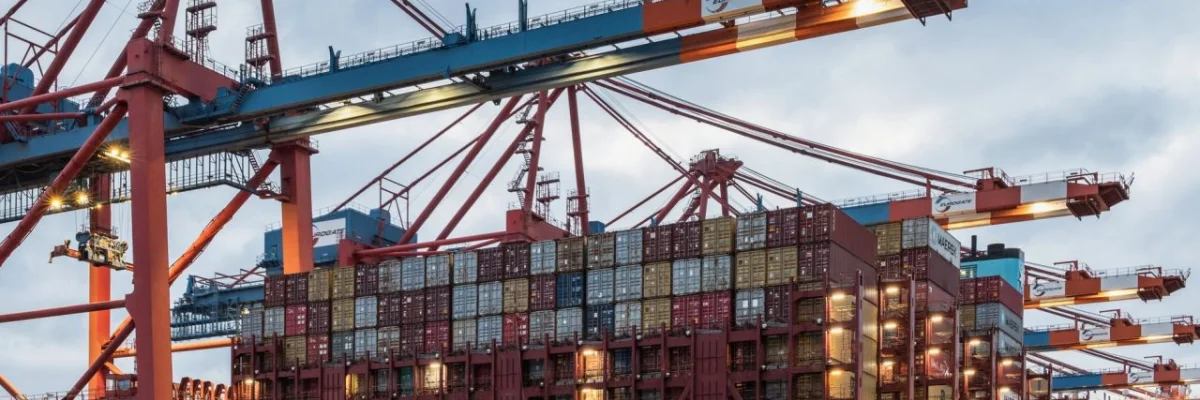
Navigating the complex landscape of global trade requires a sophisticated approach to customs compliance that balances speed with absolute regulatory precision. As supply chain demands intensify, freight forwarders are tasked with managing intricate documentation, shifting international laws, and strict oversight from border authorities worldwide. Maintaining a high standard of compliance is no longer optional but a fundamental pillar of operational success that protects both your reputation and your bottom line. By leveraging advanced cloud technology and proactive management strategies, forwarders can turn potential regulatory hurdles into a competitive advantage while ensuring seamless cross-border transit for every client shipment.
Digital Documentation Automation

Transitioning from paper-heavy workflows to automated digital platforms significantly reduces manual entry errors and accelerates customs clearance processes. Technology allows teams to process declarations with high accuracy while maintaining a transparent audit trail for all parties involved in the trade cycle.
- Data accuracy validation: Real-time validation tools automatically check customs entries against government databases to ensure all required information is formatted correctly before submission to the local border authorities.
- Centralized document management: Storing all commercial invoices and packing lists in a secure cloud environment ensures that compliance officers have instant access to necessary documents during audits.
- Automated classification updates: Integrated software systems pull the latest HS code information from international databases to prevent misclassification errors that lead to costly delays and penalty fines.
- Seamless partner integration: Connecting your platform with customs broker APIs facilitates instant data transmission which eliminates the risks associated with manual data re-entry across multiple systems.
Adopting digital automation provides your team with the tools needed to handle complex regulatory requirements without increasing headcount. By minimizing the reliance on manual processes, you create a scalable foundation that adapts to changing global trade mandates. These improvements safeguard your operations against human error and help your company maintain consistent performance metrics throughout every stage of the international shipping lifecycle and customs workflow.
Global Trade Regulatory Updates

Staying ahead of international trade regulations requires constant monitoring of legislative changes and policy shifts across different markets. Proactive firms monitor these updates regularly to adjust their internal protocols and ensure every shipment meets the current legal standards required today.
- Real-time news alerts: Automated monitoring systems deliver immediate notifications regarding new trade restrictions or tariff updates which allows teams to pivot their logistics strategies accordingly and effectively.
- Compliance training programs: Regular education sessions ensure that every staff member understands current international trade laws and follows established protocols to maintain high standards of operation quality.
- Risk assessment protocols: Conducting thorough internal audits of historical shipment data identifies potential compliance weaknesses before they evolve into significant regulatory concerns during a government entity inspection.
- Regulatory reporting tools: Advanced analytics software generates comprehensive reports on compliance status to provide management with actionable insights regarding current operational risks and necessary corrective actions.
Prioritizing regulatory awareness transforms compliance from a reactive task into a strategic asset for your freight forwarding business. When your team remains informed about shifting global trade policies, you provide superior guidance to your clients during turbulent market conditions. Consistent focus on these updates ensures your firm remains resilient against unexpected border disruptions while building trust with customs agencies across multiple regions.
Effective Audit Preparation

Preparation is the most critical element when facing unexpected customs audits or inquiries from tax authorities. By maintaining a highly organized record system and clear operational visibility, your team can resolve potential concerns quickly and preserve your relationship with local regulatory bodies.
- Document retention policies: Establishing strict digital filing schedules ensures that every customs entry record is kept for the required duration to satisfy potential government audit requests easily.
- Clear communication logs: Documenting all correspondence with customs officials provides a detailed history that can be vital for explaining specific shipment circumstances during a formal review.
- Standardized operating procedures: Consistent internal processes minimize variation in how compliance tasks are completed which makes demonstrating your firm's adherence to legal standards straightforward during an audit.
- Internal verification checks: Peer review systems verify that all customs declarations are accurate and complete before they are sent to the authorities for final official processing.
A well-prepared firm demonstrates professionalism and reliability when interacting with customs examiners. Maintaining organized archives and clear operational histories mitigates the stress associated with surprise audits and prevents potential operational shutdowns. By investing time into structured record keeping and internal verification procedures, you protect your company from unnecessary penalties and demonstrate a commitment to excellence within the global shipping industry.
Leveraging Advanced Software Solutions

Utilizing modern cloud-based software allows freight forwarders to integrate compliance checks directly into their daily operations. This technological integration streamlines the shipping process and ensures that regulatory requirements are met at every single stage of the international cargo movement journey.
- Integrated compliance workflows: Software platforms bake compliance verification steps into the shipment lifecycle so that cargo cannot proceed without meeting all necessary regulatory and documentation milestones.
- Scalable cloud infrastructure: Cloud systems enable your business to handle higher volumes of complex shipments without sacrificing the quality of your customs documentation or regulatory adherence.
- Enhanced data security: High-level encryption protects sensitive client information and customs documentation from unauthorized access during digital transmission between various global trade parties and shipping stakeholders.
- Customizable reporting dashboards: Dynamic visual reports allow compliance managers to monitor key performance indicators related to customs clearance times and identify bottlenecks in the current process.
Investing in specialized freight software is essential for staying competitive in today's fast-paced shipping environment. These tools automate tedious tasks and provide the deep visibility needed to manage compliance across diverse global markets. By modernizing your digital infrastructure, you position your freight forwarding business to achieve greater efficiency, improved accuracy, and sustainable growth while navigating the complex regulatory demands of modern trade.
Conclusion
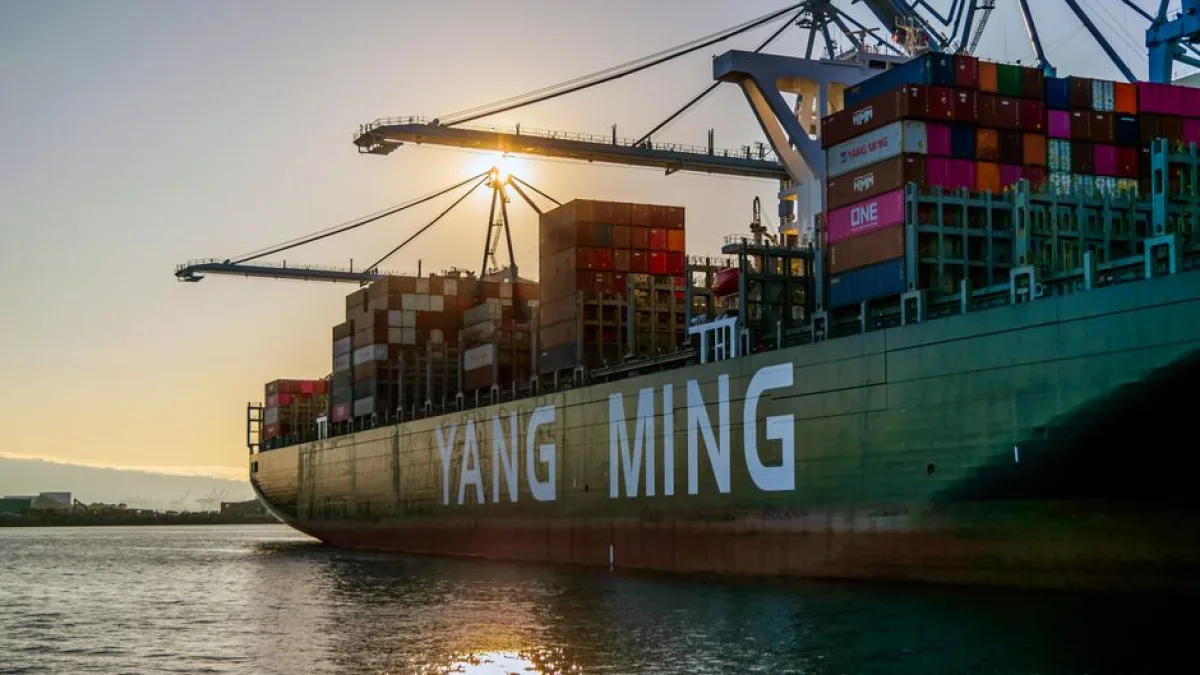
Mastering customs compliance is a vital necessity for the long-term success of any modern freight forwarding firm. By integrating automated technology, staying updated on global regulations, and maintaining rigorous audit preparation, you ensure seamless service for your clients. We invite you to explore how MakeCargo supports these goals with our robust cloud platform designed specifically for the unique needs of forwarders.