Mastering Customs Compliance in Modern Freight Forwarding
Saturday, October 31 2026
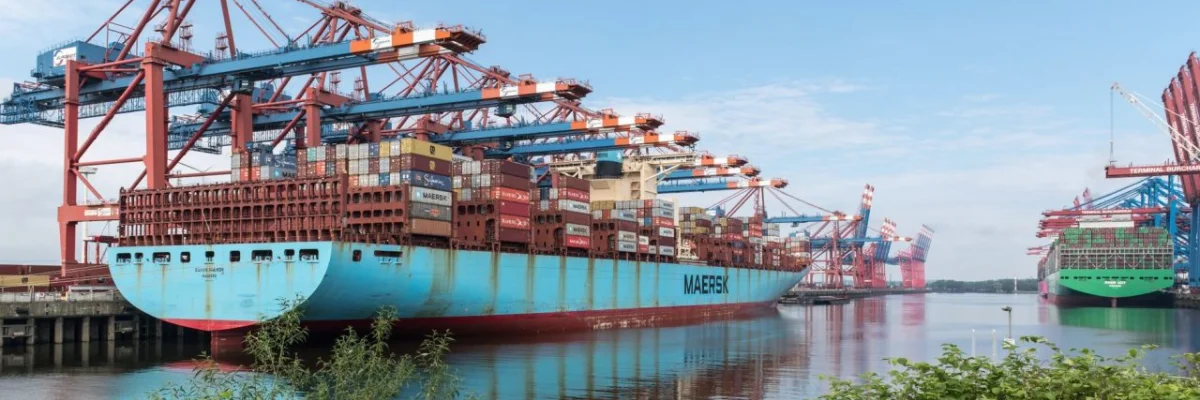
Navigating the complex landscape of global trade regulations requires precision and foresight for any forwarder operating today. As international borders become more integrated, customs authorities are tightening their scrutiny to ensure security and tax collection. Failing to maintain perfect compliance can lead to costly delays, heavy fines, and the loss of operational licenses for your logistics business. By leveraging digital transformation and robust customs management software, freight forwarders can turn compliance from a burdensome regulatory hurdle into a distinct competitive advantage. This guide explores essential strategies for maintaining seamless cross border operations while protecting your firm from unnecessary liability and risk.
Digitizing Documentation Workflows

Moving away from manual paperwork is the most significant step toward achieving true customs compliance. Digital workflows reduce the risk of human error, ensure data accuracy across borders, and keep audit trails ready for instantaneous inspection by customs officials globally.
- Automated Data Validation: Modern systems automatically check entries against current tariff codes to prevent costly classification errors before documents are ever submitted to the local government customs authorities.
- Centralized Document Storage: Maintain a single source of truth where every commercial invoice, packing list, and certificate of origin is stored, indexed, and retrieved by authorized personnel.
- Real-time Status Tracking: Digital integration provides live updates on shipment status, ensuring that any regulatory red flags are identified and addressed by your team immediately upon detection.
- Secure Cloud Access: Moving data to the cloud allows global teams to collaborate on clearance documentation while maintaining strict user permissions and comprehensive version control for security.
Transitioning to a cloud-based environment eliminates the siloes that typically plague manual freight forwarding processes. By centralizing your customs data, you minimize the chance of discrepancies that often trigger manual audits. These digital tools provide your team with the agility to respond to shifting trade policies while maintaining consistent standards of accuracy. Invest in automation today to build a more resilient and scalable logistics operation.
Navigating Tariff Classification Risks
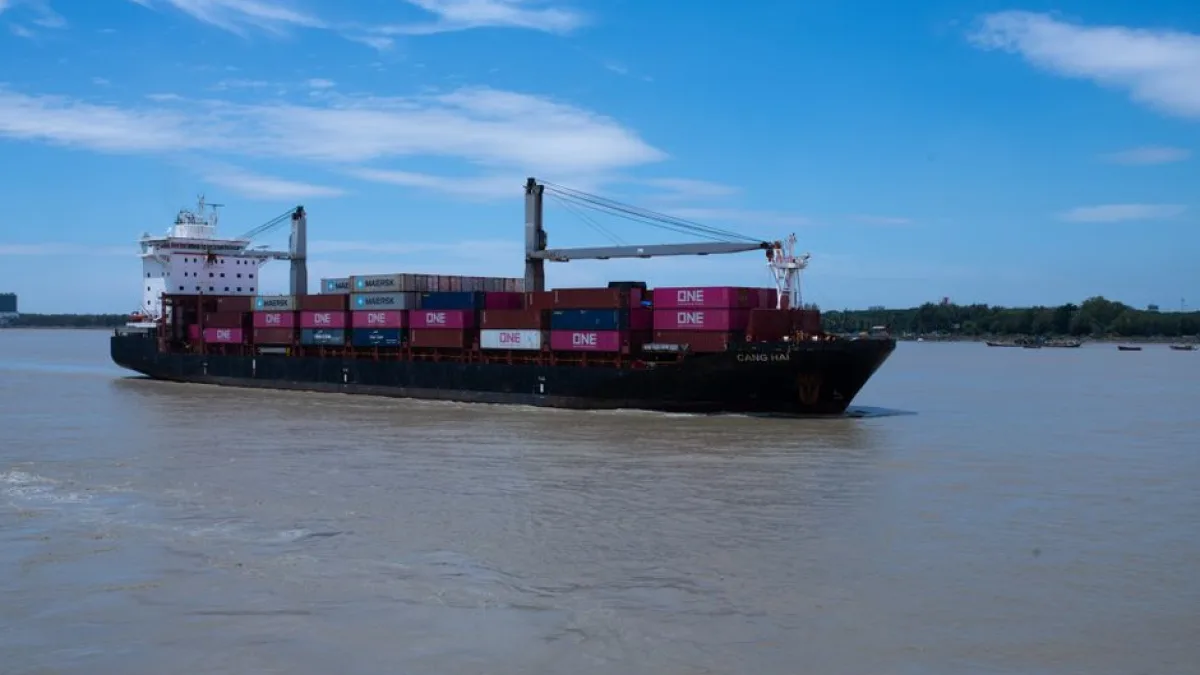
Accurate classification is the backbone of compliant shipping and duty optimization. Using the wrong Harmonized System code can result in significant financial penalties, as authorities are constantly auditing importers who misclassify goods to avoid paying the correct tax amounts.
- Standardized HS Databases: Utilize integrated software solutions that provide updated Harmonized System codes to ensure your declarations remain accurate across various international trade zones and regulatory regions.
- Expert Classification Tools: Leverage AI-driven tools that suggest appropriate tariff classifications based on detailed product descriptions, which reduces the reliance on manual lookup methods prone to errors.
- Audit Trail Integrity: Keep detailed records of every classification decision made, providing a transparent justification for authorities if they choose to conduct a post-clearance compliance audit.
- Regular System Audits: Perform internal quarterly reviews of your classification database to ensure that code changes or updates are correctly reflected in your active shipping templates.
Maintaining a clean database of HS codes is not a one time project but an ongoing maintenance requirement. As global trade agreements evolve, staying ahead of code updates keeps your shipments moving smoothly through customs checkpoints. By establishing a rigorous internal audit process, you protect your clients from unexpected duty charges while building a reputation as a highly reliable and compliant logistics partner.
Strengthening Regulatory Reporting Standards

Consistent reporting is the cornerstone of a healthy relationship with customs agencies. Proactive communication and standardized reporting formats ensure that authorities have all the information they need to clear your cargo, reducing wait times and avoiding potential detention fees.
- Automated Compliance Reports: Generate comprehensive reports that summarize your firm's adherence to local customs laws, helping you demonstrate due diligence to regulators during periodic inspections of files.
- Customizable Reporting Templates: Create specialized document templates that align with the specific requirements of different countries, ensuring every filing meets the unique demands of local customs authorities.
- Proactive Error Detection: Systems monitor your documentation for common formatting issues or missing mandatory fields, flagging them for correction long before they reach the official customs gateway.
- Historical Trend Analysis: Use advanced reporting features to analyze your compliance history, allowing you to identify recurring issues and refine your internal processes for better future results.
Adopting a standardized approach to reporting empowers your logistics firm to scale without compromising on compliance quality. Clear and accurate reports build trust with customs officials, which can lead to faster processing times and fewer physical inspections. By treating documentation as a critical asset rather than a tedious task, you ensure that your operations remain efficient and compliant in every market.
Enhancing Partner and Vendor Oversight
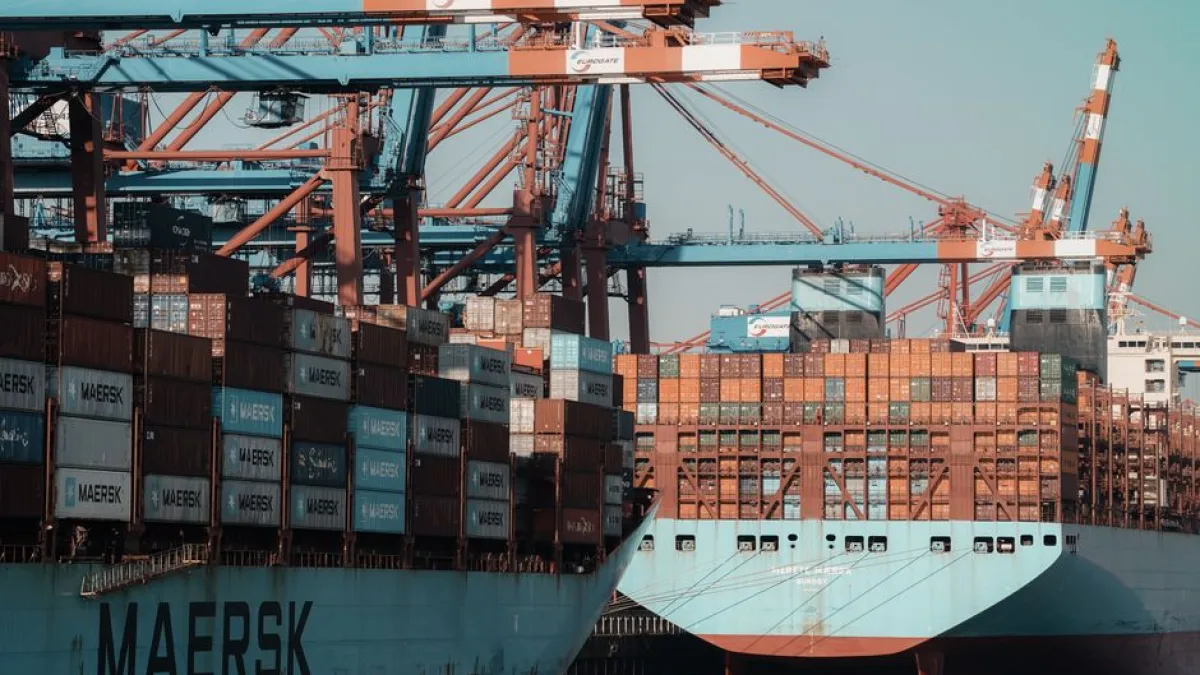
Compliance does not stop at your office walls, as you are responsible for the entire supply chain. Managing the compliance standards of your carriers and partners is essential for protecting your brand and ensuring that your clients receive seamless services.
- Verified Vendor Portals: Implement secure portals where all your partners must upload current licenses and compliance certificates before they are permitted to handle any of your client shipments.
- Partner Compliance Scorecards: Track the performance of your carriers and vendors through data-driven scorecards, allowing you to quickly identify and address any partners who consistently fail standards.
- Standardized Onboarding Processes: Require all new partners to undergo a thorough compliance verification process, ensuring they meet the high regulatory standards your company promises to all clients.
- Automated Alerts System: Receive instant notifications when a vendor license or insurance document is nearing expiration, enabling you to take action before it becomes a compliance violation.
Your firm is only as compliant as the weakest link in your partner network. By exerting strong oversight, you minimize third party risk and ensure that your global logistics operations remain protected. Investing in platforms that facilitate transparent communication and strict document requirements helps you maintain control. This proactive management creates a safer supply chain that benefits you and your valued shipping clients.
Conclusion

Achieving excellence in customs compliance requires a dedication to digital integration, ongoing training, and rigorous process management. By focusing on accurate classification, automated documentation, and strict partner oversight, your freight forwarding business can navigate complex regulations with absolute confidence. Choose the right software tools today to streamline these essential tasks and position your company for long term growth within the global shipping industry.