Mastering Customs Compliance in Modern Freight Forwarding
Sunday, November 1 2026
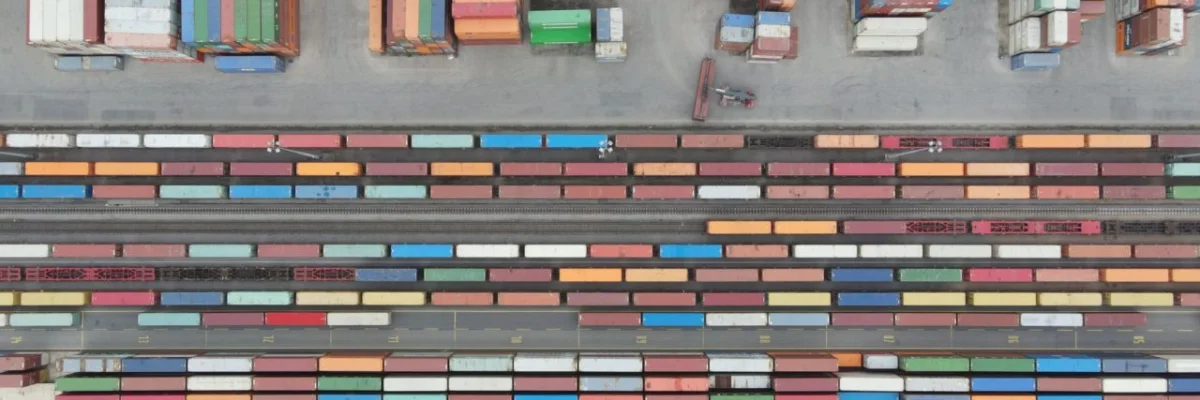
Navigating the complex world of global trade requires a deep understanding of customs regulations and compliance protocols. For freight forwarders, the pressure to maintain accuracy while managing high volumes of cargo is immense. Errors in documentation can lead to costly delays, heavy fines, and severe reputational damage. As global supply chains become increasingly intricate, leveraging digital tools and automated workflows is no longer optional. This article explores essential strategies to help your logistics business stay compliant, reduce risks, and maintain operational efficiency in an ever-changing regulatory environment where precision and speed are the ultimate metrics of success.
The Importance of Accurate Documentation

Precise documentation serves as the backbone of every successful international shipment. When paperwork is incomplete or riddled with errors, customs authorities often flag containers, causing significant bottlenecks that disrupt downstream logistics for your clients and partners in the global network.
- Automated Data Validation: Implementing software that automatically checks data fields against customs requirements minimizes human entry errors and ensures that all necessary information is captured before the shipment departs.
- Standardized Classification Codes: Utilizing standardized HS code databases helps prevent misclassification of goods, which is a common trigger for audits and potential penalties during the clearance process.
- Digital Document Storage: Keeping all shipment records in a centralized, cloud-based repository provides instant access for compliance officers during routine checks or formal customs audit investigations.
- Real-time Regulatory Updates: Syncing your documentation system with live regulatory databases ensures that your team always uses the current versions of required import and export forms.
By prioritizing document accuracy, your firm significantly reduces the likelihood of manual intervention by border agencies. This proactive approach not only speeds up the clearance process but also demonstrates professional reliability to your customers. Investing in robust document management systems allows your staff to focus on high-value tasks rather than correcting simple mistakes, ultimately driving higher productivity and better long-term client retention rates.
Leveraging Advanced Compliance Software

Modern cloud-based platforms offer powerful tools for monitoring shipments and ensuring full adherence to international trade laws. By integrating these systems, freight forwarders can gain real-time visibility into the entire lifecycle of a shipment, from initial booking to final port delivery.
- Automated Compliance Screening: Sophisticated software automatically screens all parties involved against restricted entity lists, preventing potential legal issues related to sanctions and global trade embargo regulations.
- Integrated Workflow Automation: Linking documentation software directly to customs portals facilitates a seamless flow of data, reducing the need for manual re-entry of sensitive cargo information.
- Risk Management Analytics: Advanced reporting tools identify patterns that might indicate compliance gaps, allowing your management team to address potential issues before they become expensive regulatory problems.
- Audit Trail Maintenance: Detailed logs track every change made to a customs file, providing full transparency and accountability in the event of an official regulatory review or inquiry.
Adopting advanced software transforms compliance from a reactive burden into a competitive advantage for your business. These tools provide the foresight needed to navigate complex regulatory landscapes without sacrificing speed or efficiency. By consolidating data into one interface, your team gains a clearer picture of potential risks, allowing for faster decision making and a more resilient strategy in today's unpredictable logistics market.
Navigating International Trade Regulations

Staying ahead of the constant flux in international trade policy is vital for sustained success. Freight forwarders must cultivate a culture of ongoing education and adaptability to handle shifting global standards and varying regional customs practices effectively and consistently.
- Continuous Staff Training: Regular workshops keep your team updated on the latest changes to trade legislation, ensuring that every employee understands their specific role in maintaining compliance.
- Global Network Partnerships: Working with established local customs brokers in foreign markets provides the local expertise required to navigate unique regional legal requirements and administrative nuances.
- Strategic Policy Reviews: Conducting quarterly reviews of your internal compliance policies ensures that your operational practices remain aligned with the latest international trade guidelines and requirements.
- Client Education Programs: Helping your clients understand their own compliance responsibilities fosters a partnership that minimizes errors and protects your firm from liability issues related to cargo.
Regulatory expertise is a critical asset that builds trust with both customs authorities and your client base. By investing in the continuous professional development of your staff, you ensure that your firm remains agile and prepared for future changes. This knowledge-based approach allows you to handle complex shipments with confidence, solidifying your reputation as a professional leader within the freight forwarding industry.
Risk Mitigation and Audit Preparation

Preparing for an audit is far easier when your daily operations follow a disciplined compliance framework. Establishing a robust risk mitigation strategy involves proactive monitoring and consistent adherence to best practices to protect your business against unforeseen legal liabilities and costs.
- Proactive Internal Audits: Running mock audits regularly helps identify vulnerabilities in your documentation or processes, allowing your team to fix small compliance issues before they escalate further.
- Verified Vendor Due-Diligence: Performing thorough background checks on all subcontractors and partners ensures that your entire supply chain maintains the same high standards of regulatory compliance.
- Insurance Coverage Optimization: Securing appropriate liability insurance provides a crucial safety net against potential claims that might arise from unintended compliance breaches during the shipping process.
- Crisis Response Planning: Developing a clear, actionable plan for managing customs delays ensures that your team stays organized and effective if an unexpected regulatory issue occurs.
A strong commitment to risk mitigation protects your financial health and preserves your brand reputation in the competitive global market. By treating audit readiness as a standard business process, you minimize operational downtime and foster a culture of excellence. Consistent vigilance is the best insurance against costly errors, ensuring that your freight forwarding operations remain compliant, stable, and profitable for years to come.
Conclusion

Mastering customs compliance is essential for any modern freight forwarder aiming to succeed in global trade. By leveraging automation, prioritizing staff education, and maintaining rigorous internal audits, you can effectively minimize risk and ensure smooth cargo movement. Stay ahead of regulatory changes and use the right technology to protect your business. Contact our expert team today to learn how MakeCargo can streamline your operations.