Mastering Customs Compliance in Modern Freight Forwarding
Tuesday, September 29 2026
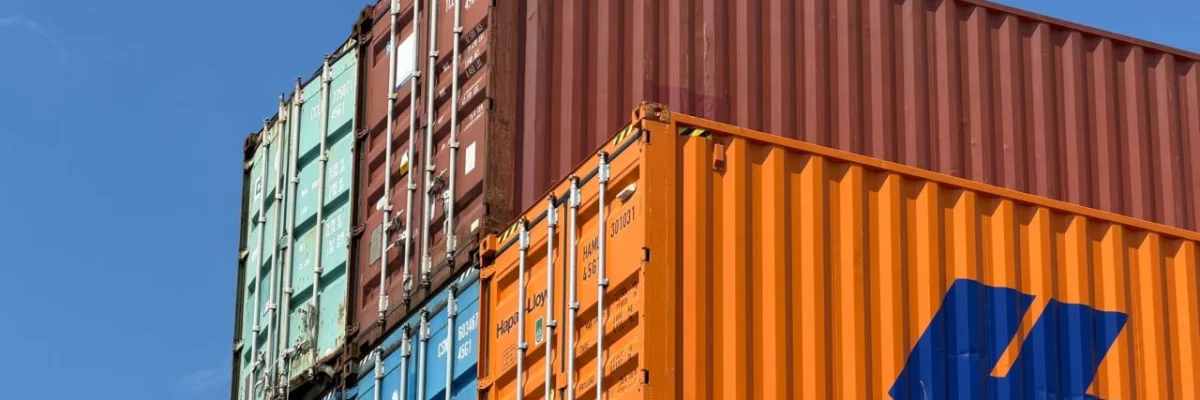
Navigating the complex landscape of international trade regulations requires more than just logistical expertise. Customs compliance is the backbone of efficient freight forwarding, ensuring that goods move across borders without unnecessary delays or legal penalties. As global supply chains grow increasingly digital, forwarders must leverage advanced technology to stay ahead of changing tariff codes, restrictive trade policies, and documentation requirements. This comprehensive guide examines critical strategies for maintaining seamless compliance while scaling operations. By integrating automated software solutions, forwarders can minimize human error, mitigate significant financial risks, and build lasting trust with their clients and relevant border authorities in an evolving marketplace.
Understanding Regulatory Documentation

Accurate documentation serves as the primary gateway for successful border passage across global markets. Managing various forms, certificates of origin, and invoices requires extreme precision to avoid costly customs holds and administrative fines that disrupt the entire delivery cycle effectively.
- Electronic filing accuracy: Automating the submission of entry data reduces manual entry errors which typically cause significant processing delays and trigger audits from local customs officials at destination ports.
- Harmonized tariff classification: Correctly identifying product codes ensures that appropriate duty rates are applied while preventing potential penalties associated with misclassification during the initial vetting of cargo shipments.
- Certification management systems: Tracking expiry dates for permits and certificates of origin through centralized software helps maintain valid status for all regulated goods moving across international borders.
- Digital audit trails: Retaining immutable records of all communications and submission documents provides necessary evidence during post-clearance reviews conducted by national customs agencies for trade compliance verification.
By digitizing the entire documentation workflow, logistics firms can transform their compliance processes into a competitive advantage. Moving away from paper-based systems prevents loss of information and creates a unified source of truth for all stakeholders involved. This level of organization not only speeds up clearance times but also reduces the stress on staff members who manage complex regulatory demands on a daily basis.
Leveraging Advanced Automation Tools
Modern cloud-based platforms offer powerful tools for automating repetitive compliance tasks that traditionally consumed countless hours of manual work. These systems synchronize data across global offices, providing real-time visibility into shipment status and regulatory updates for every single trade lane.
- Automated duty calculation: Integrated software engines automatically compute applicable taxes and duties based on real-time trade lane data to prevent unexpected cost surges during the final clearance process.
- Real-time compliance alerts: Notifications provide immediate updates on changing government regulations or trade embargos so operations teams can adjust their shipping strategies before problems actually occur.
- Data synchronization capability: Linking warehouse management with customs brokerage systems ensures that item descriptions remain consistent across every document generated throughout the entire global supply chain.
- Vendor portal integration: Granting suppliers secure access to input product information directly reduces the likelihood of data discrepancies that frequently cause shipments to stall at customs checkpoints.
Embracing automation is no longer an optional luxury but a necessity for firms aiming to scale their operations globally. By removing the dependency on manual spreadsheet updates and fragmented communications, forwarders create a robust framework that supports rapid growth. This proactive approach significantly lowers overhead costs while simultaneously improving the accuracy of all reporting activities required by international regulatory bodies and trade partners.
Managing International Trade Risks

Risk mitigation strategies focus on identifying potential compliance bottlenecks before they escalate into major operational disruptions. A structured approach to assessment helps forwarders navigate unpredictable political changes and trade wars while protecting their clients assets throughout the entire transit process globally.
- Supply chain mapping: Detailed analysis of origin points and transit hubs allows firms to identify geopolitical risks that might affect specific shipments and adjust routes accordingly.
- Regulatory gap analysis: Regular assessments of current internal practices against updated international laws identify weaknesses in existing compliance frameworks that require immediate updates or procedural changes.
- Restricted party screening: Automated software checks all entities involved in a shipment against government watchlists to prevent accidental involvement in prohibited trade activities or illegal transactions.
- Internal training programs: Continuous education for staff regarding the latest compliance standards ensures that everyone stays informed about evolving global regulations and industry best practices consistently.
Building a culture of compliance requires constant vigilance and a commitment to continuous improvement. By prioritizing risk assessment, companies can safeguard their reputations while ensuring that client goods reach their final destinations on time. This dedication to excellence fosters strong long-term relationships with customers who rely on your firm to handle their most sensitive cargo with total professionalism and operational expertise.
The Future of Digital Compliance

The integration of artificial intelligence and machine learning is reshaping how forwarders handle customs compliance. These emerging technologies offer predictive insights that allow companies to optimize their workflow and prepare for future regulatory changes before they impact daily operations at the border.
- Predictive delay analytics: Machine learning algorithms analyze historical shipping data to forecast potential customs delays and suggest alternative routing options to minimize transit time impacts significantly.
- Blockchain for transparency: Implementing decentralized ledger technology ensures that trade information remains secure and accessible to authorized parties for easier validation by customs officials globally.
- Standardized data protocols: Adopting universal digital messaging formats allows for seamless communication between forwarders, government agencies, and transportation providers to ensure total visibility during transit.
- Cloud-based resource scaling: Using flexible software solutions enables businesses to handle increased shipment volumes without compromising their ability to maintain strict compliance with changing global rules.
Investing in future-proof technology ensures that your freight forwarding business remains resilient amidst the dynamic nature of international trade laws. Forwarders who adopt these innovative solutions today will lead the market by offering superior efficiency and reliability to their clients. Embracing digital transformation empowers your team to focus on strategic growth rather than getting bogged down by the complexities of modern border management.
Conclusion
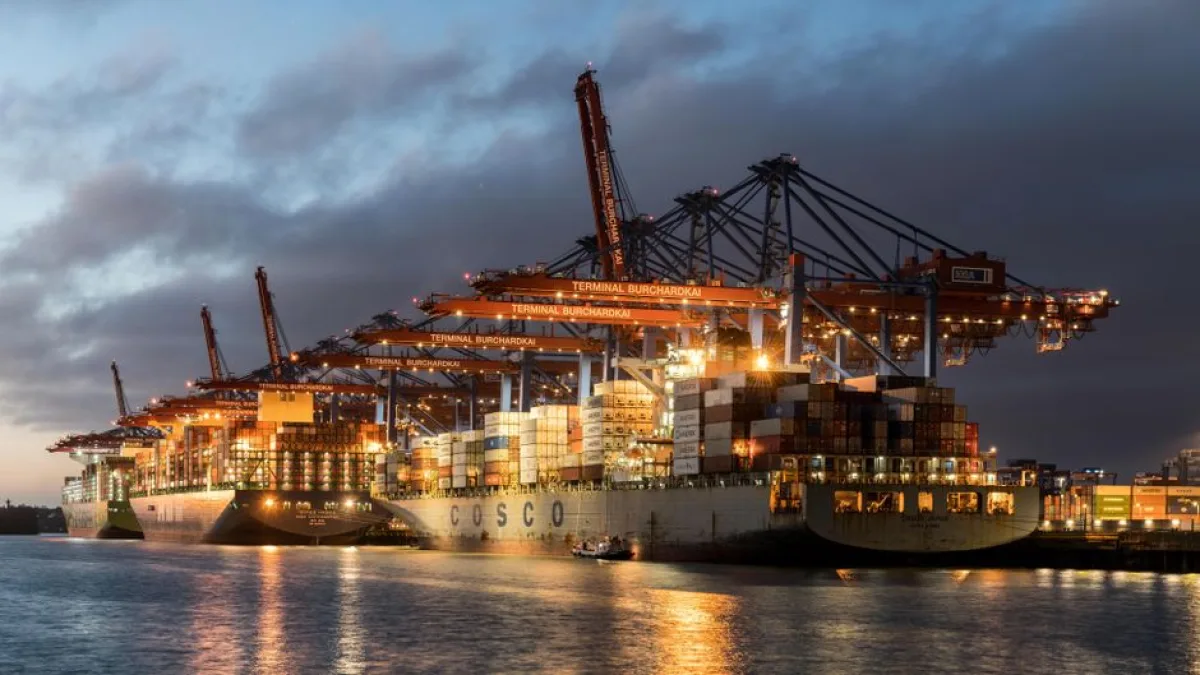
Mastering customs compliance is an ongoing journey that requires dedication to process improvement and the right technological tools. By prioritizing accuracy, automation, and continuous staff training, freight forwarders can effectively navigate the complexities of international trade. Focus your efforts on building a robust compliance framework today to ensure your firm remains competitive and reliable for every client in the global marketplace moving forward.