Mastering Customs Compliance in Modern Freight Forwarding
Thursday, August 20 2026
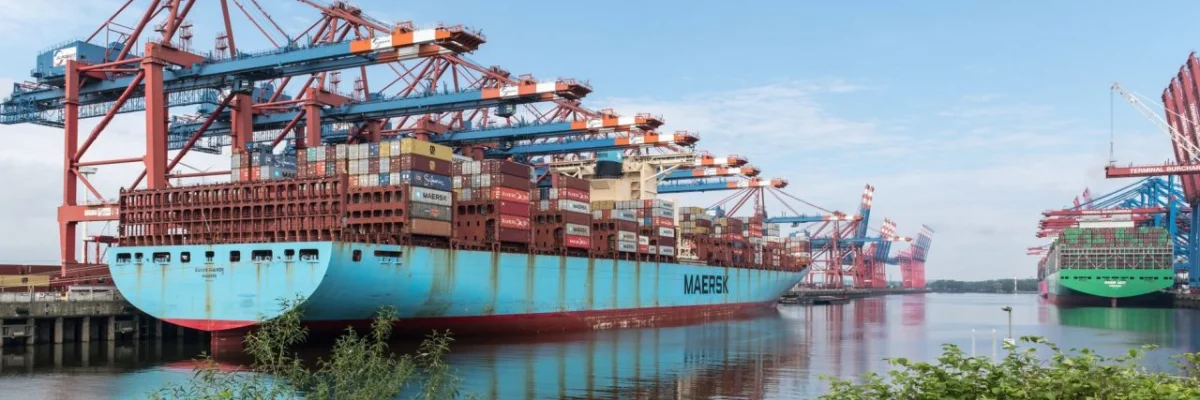
Navigating the complex landscape of international trade requires more than just logistical expertise. Customs compliance serves as the backbone of every successful shipment, ensuring that goods move seamlessly across borders while adhering to rigorous regulatory standards. As global trade environments become increasingly volatile and digitized, freight forwarders must adopt proactive strategies to mitigate risks and avoid costly delays. By integrating advanced software solutions and maintaining transparent documentation practices, professionals can transform compliance from a demanding hurdle into a competitive advantage. This article explores essential pillars of customs management to help you stay ahead in an evolving market.
Understanding Regulatory Documentation

Accurate documentation forms the vital foundation of customs clearance processes. Missing or incorrect details on commercial invoices or packing lists lead to immediate inspection delays, causing shipment backlogs and damaging client trust. Leveraging automated systems ensures consistent data entry and higher accuracy.
- Proactive Data Validation: Implementing automated checks at the point of entry prevents clerical errors from reaching customs authorities, which significantly reduces the risk of penalties and unnecessary administrative hold times.
- Harmonized System Classification: Utilizing standardized codes for all products ensures that tax assessments remain consistent across international jurisdictions, preventing disputes regarding import duties and unexpected fiscal liability for clients.
- Electronic Document Storage: Moving away from paper-based systems toward cloud-based repositories provides instantaneous access to historical records, which simplifies the auditing process and facilitates faster response times for government queries.
- Incoterms Clarity: Defining clear responsibilities for duties and taxes at the start of every transaction eliminates ambiguity between buyers and sellers, ensuring that all parties fulfill their legal obligations.
Mastering the intricacies of documentation transforms your operational workflow by eliminating repetitive errors and manual oversight. When your team relies on standardized digital processes, the likelihood of human error drops dramatically. This commitment to precision not only accelerates clearance times at busy border crossings but also builds long-term reliability. Clients value forwarders who demonstrate such diligence, cementing your position as a trusted partner in global logistics.
Leveraging Advanced Compliance Software

Modern freight forwarding software provides real-time visibility into the status of customs declarations and clearance workflows. By centralizing operations, these digital tools enable teams to track documentation updates and compliance changes across different regions through a single integrated interface.
- Real-time Status Updates: Instant notifications regarding the clearance progress of individual shipments allow logistics managers to react quickly to hold-ups, maintaining a smooth flow of cargo throughout the supply chain.
- Automated Regulatory Alerts: Integrated systems that monitor global trade news provide timely updates regarding shifting import regulations, ensuring your brokerage team can adjust their operational strategies before problems arise.
- Secure Data Integration: Connecting your forwarding platform directly with customs portals minimizes the manual re-entry of sensitive data, which reduces the potential for mistakes during the high-stakes import process.
- Scalable Workflow Management: Digital platforms grow alongside your business, allowing you to manage increasing shipment volumes without needing to expand your administrative staff proportionally, thus improving your overall operational efficiency.
Adopting sophisticated software is no longer optional for firms operating in the competitive international freight sector. These platforms provide the analytical depth needed to identify bottlenecks in your current compliance workflow before they impact your bottom line. As your firm continues to manage more complex routes, utilizing robust cloud-based tools ensures that your data remains accessible, secure, and fully compliant with local authorities.
Managing International Trade Risks
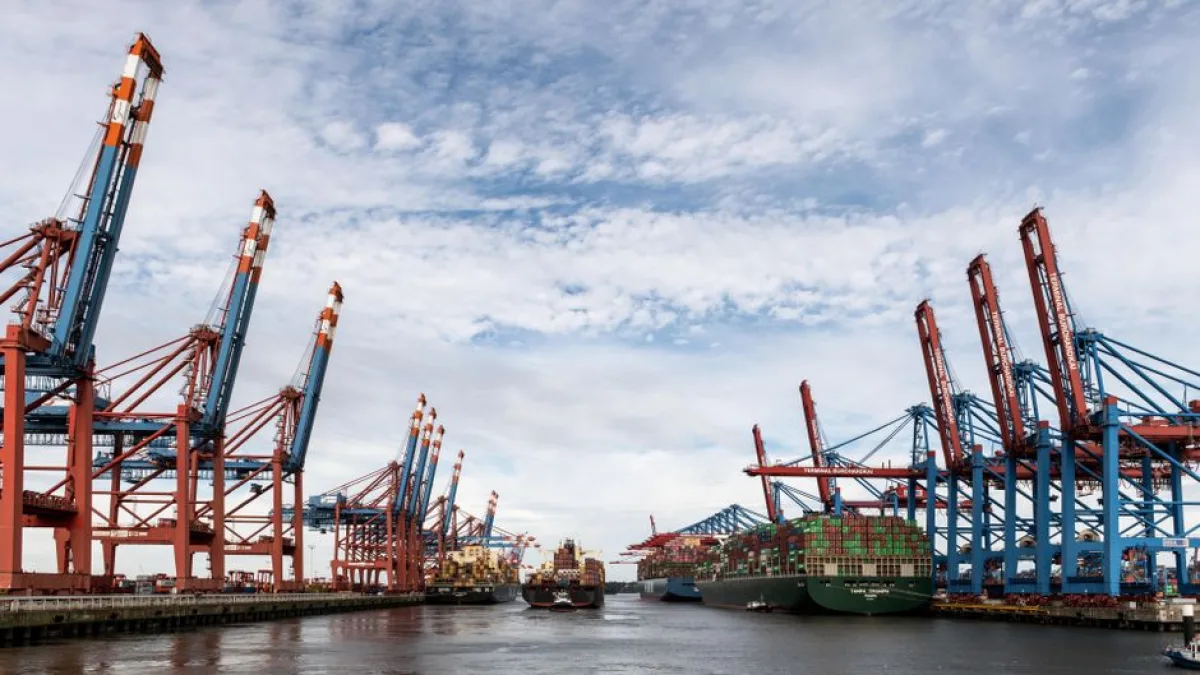
Risk management involves anticipating potential issues such as trade sanctions, restricted parties, or embargoes that could jeopardize your freight operations. Developing a robust internal audit procedure allows your organization to identify vulnerabilities early and implement necessary preventive measures effectively.
- Sanction List Screening: Automatically cross-referencing your client database against global restricted party lists prevents unintentional trade violations that can lead to severe legal consequences and long-term reputational damage.
- Internal Audit Procedures: Regular reviews of past customs entries help to identify systemic issues, allowing you to refine your operational procedures and ensure continuous improvement throughout the entire organization.
- Customs Bond Management: Proper oversight of customs bonds protects your firm from financial loss during import operations, providing a safety net against unforeseen duties or regulatory penalties that occur.
- Staff Compliance Training: Investing in continuous education for your operations team ensures that everyone understands the latest trade policies, creating a culture of excellence and high-level regulatory awareness.
Effective risk mitigation strategy protects your business against the unpredictable nature of global logistics. By screening partners and maintaining strict oversight of your own operations, you reduce the probability of legal entanglements and financial losses. A proactive approach to compliance is not just about avoiding punishment but about fostering a resilient business model that thrives despite the complexities inherent in international customs regulations today.
Building Strong Government Partnerships

Fostering positive relationships with local customs authorities can be a game changer for logistics professionals. Transparent communication and consistent reliability lead to smoother clearance processes, as officials are more likely to trust the documentation submitted by known and reputable forwarding partners.
- Transparent Information Sharing: Proactive communication regarding shipment details with customs agents demonstrates integrity, which often speeds up inspection times and minimizes the chances of intensive physical cargo audits.
- Trusted Trader Programs: Achieving status in authorized economic operator or similar certification schemes grants your firm preferential treatment, significantly reducing the administrative burden during routine border crossing operations.
- Active Industry Participation: Engaging with trade associations allows your team to participate in policy discussions, keeping your company informed about upcoming legislative changes that affect your daily shipping operations.
- Professionalism and Integrity: Consistently upholding high standards in all interactions with government personnel creates a reputation for excellence that simplifies your daily tasks and opens doors for future opportunities.
Cultivating a professional rapport with regulatory bodies creates an environment where customs operations run with maximum efficiency. When your firm is recognized for its commitment to accuracy and transparency, you can often navigate complex border requirements with significantly less friction. Building these strategic relationships requires a long-term mindset, but the operational benefits and faster clearance times gained are well worth the dedicated effort.
Conclusion

Navigating the world of customs and compliance demands a blend of technical knowledge, advanced software, and strong professional relationships. By prioritizing accuracy in your documentation, leveraging digital tools for real-time visibility, and mitigating risks through consistent monitoring, your freight forwarding business will thrive. Stay focused on continuous learning to ensure your team remains compliant while delivering exceptional service to all your global logistics clients.