Mastering Customs Compliance in Modern Freight Forwarding
Friday, September 18 2026

Navigating the complex landscape of international trade requires more than just logistical expertise. Customs compliance stands as the backbone of every successful shipment, ensuring that goods move across borders without costly delays or legal penalties. As global regulations tighten and digital requirements evolve, freight forwarders must adopt proactive strategies to remain competitive. By integrating advanced software solutions with rigorous audit practices, professionals can transform compliance from a functional burden into a distinct operational advantage. This article explores how forwarders can streamline their documentation processes, mitigate risks, and stay ahead of the curve in an increasingly volatile global shipping environment.
Understanding Regulatory Requirements

Staying updated with constantly changing import and export regulations is a significant challenge for any freight forwarder. Digital documentation helps maintain clarity while ensuring that all national standards are met during every phase of the international logistics transit process today.
- Automated Classification Systems: Utilize advanced HS code databases to ensure accurate product classification, which minimizes the risk of overpaying duties or facing severe penalties from local customs authorities during clearance.
- Digital Document Storage: Maintain a centralized cloud repository for all essential shipping documents, allowing for rapid retrieval and verification during audits or unexpected inspections by government customs officials.
- Regulatory Change Alerts: Implement software tools that provide real time updates on shifting international trade laws, ensuring your team adapts their operational workflows before non compliance issues arise unexpectedly.
- Standardized Data Entry: Enforce strict data entry protocols to prevent clerical errors that often lead to shipment holds, helping your business maintain a consistent track record with customs agents.
- Validation Workflow Integration: Connect your internal validation processes directly with customs software to identify potential discrepancies in documentation long before the shipment reaches the border or final port.
By prioritizing accurate record keeping and automated classification, freight forwarders can drastically reduce the human error factor. These systems create a reliable audit trail that protects the business from unforeseen legal consequences. Investing in these digital tools ensures that your operations remain efficient while building long term trust with your clients and customs authorities alike, securing your firm's reputation in global markets.
Leveraging Advanced Software Solutions

Modern cloud based software platforms allow freight forwarders to manage compliance tasks with unprecedented precision. By automating repetitive data processes, your team can focus on complex strategic challenges rather than spending hours on manual form filing and verification steps.
- Real Time Analytics: Access deep insights into your compliance health metrics through comprehensive dashboards, allowing management to spot recurring bottlenecks and address them with data driven solutions immediately.
- Seamless System Integration: Sync your freight forwarding software with government trade portals to automate filings and reduce the time spent on manual data entry across multiple disparate platforms.
- Automated Risk Assessments: Deploy intelligent algorithms that screen shipment data for potential compliance red flags, alerting your staff to intervene before a shipment is flagged by authorities.
- Electronic Filing Capabilities: Leverage secure electronic filing modules to submit customs documentation directly, which significantly speeds up the clearance process while maintaining high levels of data security integrity.
- User Access Management: Control who within your organization accesses sensitive customs data to ensure that compliance protocols are strictly followed by authorized personnel with the necessary security clearances.
Digital transformation is no longer optional for firms aiming to scale their operations in the current trade environment. By adopting integrated cloud platforms, forwarders gain the agility needed to respond to sudden market changes without disrupting the flow of goods. These tools harmonize international trade requirements into a single interface, making compliance a seamless component of your daily shipping activities and logistics workflows.
Mitigating Trade Compliance Risks
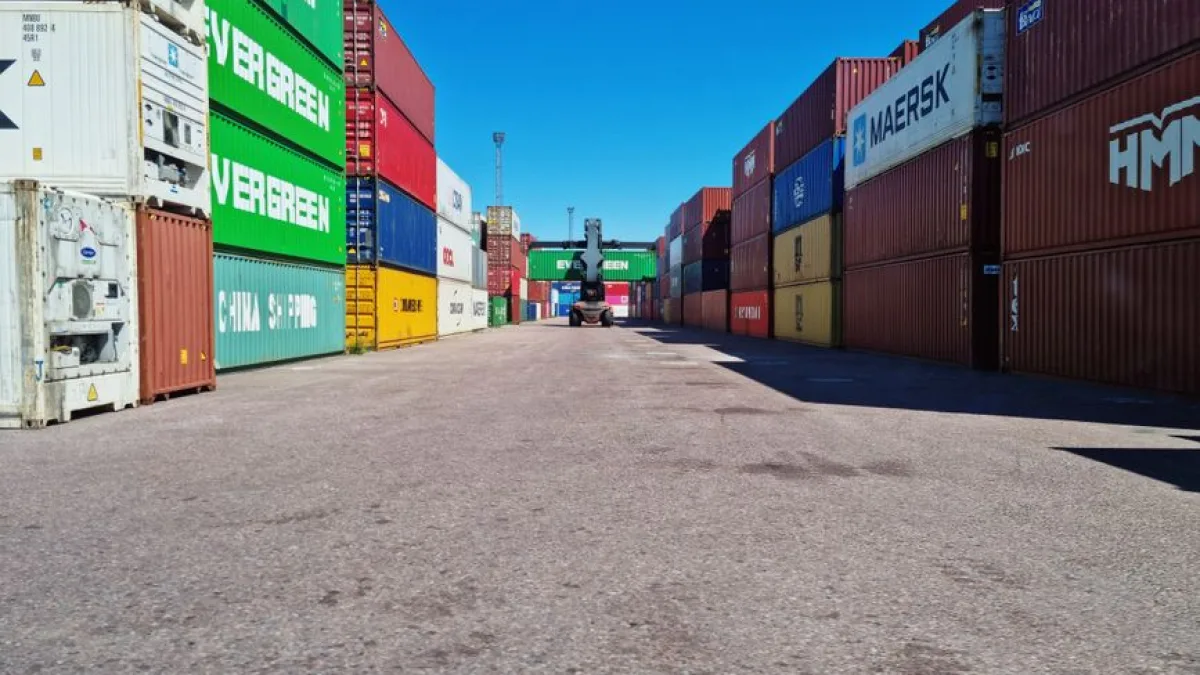
Risk mitigation strategies are essential to protect your business from the financial and reputational damages caused by compliance failures. Proactive monitoring and internal audits allow forwarders to identify weak points within their logistics chain before they become major problems.
- Routine Internal Audits: Conduct regular deep dives into your previous shipment records to ensure that documentation matches actual goods, identifying potential gaps in your compliance strategy before authorities.
- Vendor Compliance Screening: Vet all third party suppliers and agents to verify they adhere to international trade standards, preventing accidental involvement in prohibited or sanctioned shipping activities globally.
- Sanctioned Party Screening: Utilize automated tools to instantly cross reference all involved parties against global sanctions lists, protecting your organization from violating international trade laws or embargoes.
- Detailed Audit Trails: Keep comprehensive logs of all actions taken on a shipment, providing an indisputable history of compliance efforts if your company faces a formal government investigation.
- Effective Training Programs: Provide your team with frequent training on current trade compliance updates, ensuring every employee understands their specific role in maintaining the integrity of the firm.
Building a robust defense against compliance risks requires a commitment to continuous improvement. By fostering a culture that values accuracy and transparency, forwarders can effectively manage the uncertainties of international shipping. These measures not only prevent legal repercussions but also serve as a competitive edge when negotiating contracts with large clients who prioritize safety, reliability, and total compliance in their logistics partners.
Building Strong Customs Relationships
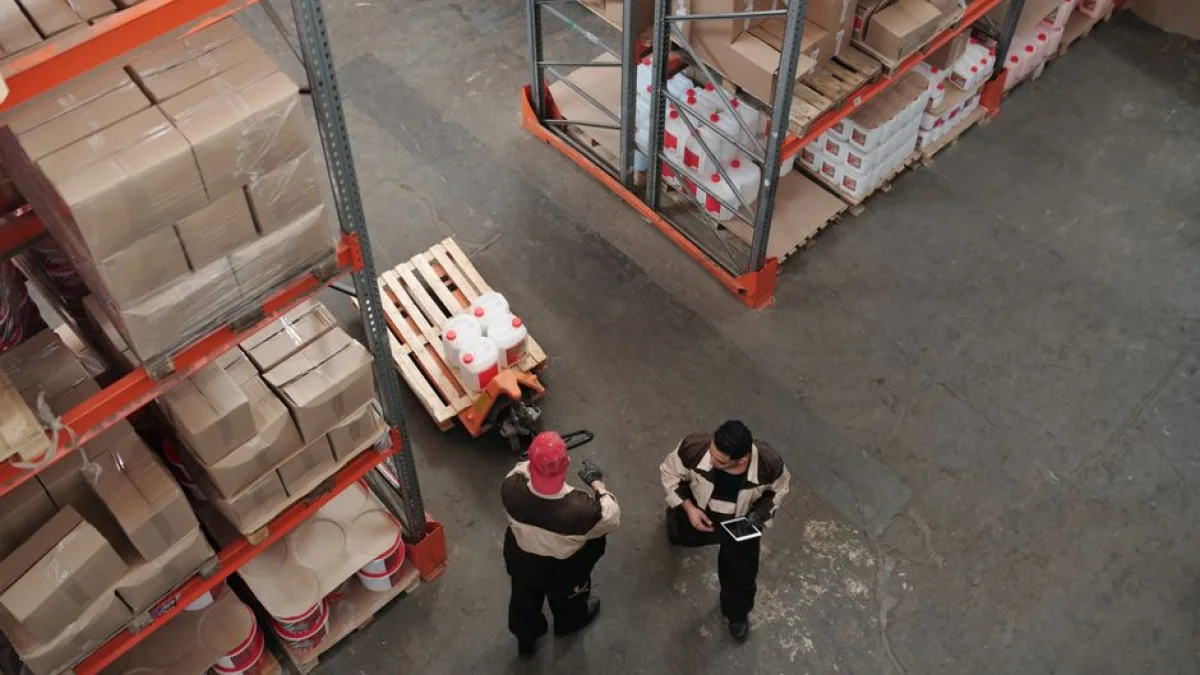
Maintaining positive relationships with customs authorities is often an overlooked aspect of successful freight forwarding. Open communication and professional conduct can lead to smoother interactions, faster clearance times, and greater overall cooperation during complex customs brokerage procedures globally today.
- Consistent Communication Practices: Establish clear channels of communication with local customs officials to resolve minor discrepancies quickly, which fosters mutual respect and helps prevent minor issues from escalating.
- Transparency During Audits: Approach all customs inquiries with complete transparency, providing requested documentation promptly to demonstrate your commitment to operating a legitimate and compliant freight forwarding business today.
- Industry Liaison Involvement: Participate in local trade associations to stay informed about upcoming changes and build professional networks with customs experts, strengthening your position within the industry community.
- Respecting Official Protocols: Adhere strictly to the established protocols and procedures set by national customs agencies, ensuring your staff always presents a professional image during every interaction.
- Continuous Professional Development: Encourage staff to earn relevant customs brokerage certifications, which demonstrates your agency's professional dedication to high standards and builds credibility with official government customs agents.
Strong relationships with customs officials act as a buffer during unpredictable trade events. By positioning your firm as a cooperative and knowledgeable partner, you create an environment where issues are resolved through collaboration rather than conflict. This strategic approach ensures that your shipments experience fewer delays, ultimately improving the experience for your clients and reinforcing your status as a leader in global logistics.
Conclusion

Achieving excellence in customs compliance is a journey that requires constant attention, the right technology, and a proactive mindset. By implementing the strategies outlined, freight forwarders can effectively navigate the complexities of international trade and secure their operational future. Focus on automation and risk management to transform your business into a reliable global partner that thrives even in the most challenging shipping environments.