Mastering Customs Compliance in Modern Freight Forwarding
Saturday, September 26 2026
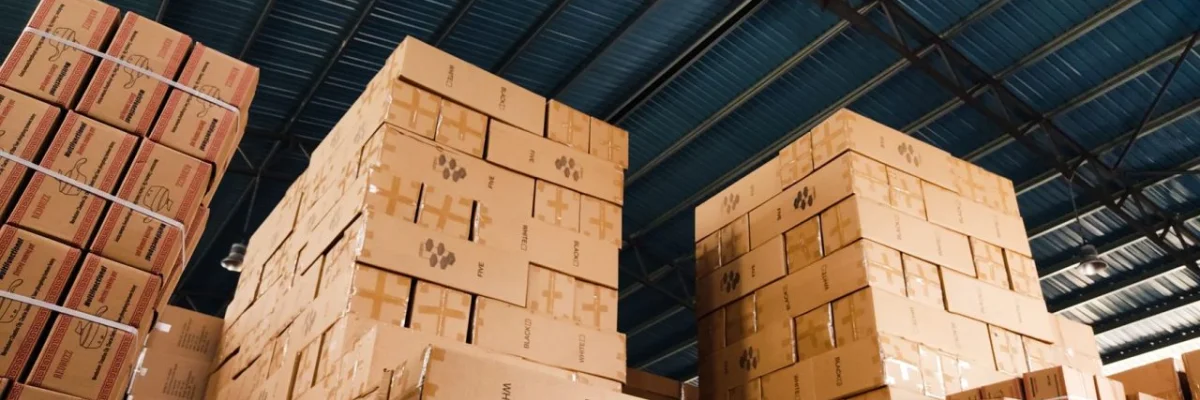
Navigating the complex landscape of international trade regulations requires more than just industry experience. For freight forwarders, the pressure to maintain absolute accuracy while managing high volumes of documentation is immense. Recent shifts in global trade policies and increased scrutiny from customs authorities demand a proactive approach to compliance. By leveraging cloud-based technology and robust digital workflows, logistics professionals can mitigate risks, avoid costly delays, and ensure their operations remain competitive. This guide examines how modern tools and strategic oversight transform compliance from a logistical burden into a reliable operational advantage for your growing freight business.
Digitizing Documentation Workflows

Transitioning from paper-based systems to digital platforms is the first step toward error-free customs filing. Digitized workflows allow teams to store, share, and verify documents in real-time, drastically reducing the chances of human error during high-pressure clearance periods.
- Centralized document management: Consolidate every bill of lading and commercial invoice into a single cloud repository to ensure your team always accesses the most current versions for any active shipment.
- Automated data extraction: Utilize integrated software tools to automatically pull critical information from shipping documents, which eliminates manual entry mistakes and speeds up the overall submission process significantly.
- Version control mechanisms: Maintain strict control over document changes by tracking who updated specific files, which provides an essential audit trail for customs officials during mandatory compliance verification reviews.
- Secure digital archiving: Protect sensitive customer information by using encrypted cloud storage solutions that meet international data privacy standards while allowing authorized personnel instant access to historical records.
- Real-time status tracking: Keep your customers informed by providing live updates on documentation status, which fosters trust and improves overall transparency within your professional supply chain service offerings.
Adopting digital workflows minimizes the physical clutter that often leads to misplaced files and compliance oversights. When your entire team uses a synchronized platform, communication gaps disappear and accountability becomes ingrained in your daily operations. This structured digital environment allows your forwarders to focus on high-value tasks rather than hunting for missing paperwork, ultimately ensuring every shipment crosses borders smoothly without administrative bottlenecks or fines.
Navigating Harmonized System Codes

Accurate classification using the Harmonized System is vital for determining duty rates and regulatory requirements. Even minor classification errors can trigger audits or result in severe financial penalties that impact your bottom line and damage your reputation.
- Unified code database: Implement a centralized library for HS codes within your logistics platform to ensure every staff member uses identical classifications across different shipments for consistent reporting.
- Regular code updates: Schedule periodic reviews of your classification database to account for annual changes in international trade tariffs, which helps prevent potential discrepancies during current customs clearance procedures.
- Cross-reference validation: Use automated software alerts to check entered codes against cargo descriptions, as this dual-verification process catches potential human errors before submissions reach any customs authority office.
- Expert classification support: Partner with regional customs brokers to validate complex goods, ensuring you maintain compliance in foreign markets where local regulations may differ from standard global protocols.
- Historical data analysis: Review past clearance records to identify frequent classification pitfalls, which enables you to refine your internal training materials and improve long-term accuracy for all future shipments.
Mastering classification is an ongoing process that demands attention to detail and consistent software updates. By standardizing how your company assigns codes, you create a repeatable process that shields your operations from the volatility of changing trade policies. Investing time in accurate classification today prevents the high cost of corrective actions tomorrow, positioning your freight forwarding firm as a reliable partner for your global clients.
Automating Compliance Audit Trails

Audit trails act as a safety net that protects your business during official inspections. A transparent record of every action taken on a shipment file is essential for demonstrating due diligence to regulators and internal stakeholders alike.
- Immutable audit logs: Configure your software to record every interaction with customs documentation, ensuring you have a permanent, unalterable history of who modified files and when those changes occurred.
- Automated reporting tools: Generate comprehensive compliance reports with the push of a button to provide customs officials with clear, concise evidence of your adherence to all international regulations.
- Instant search capabilities: Empower your team to locate specific shipment data or communications in seconds, which simplifies the process of responding to sudden information requests from local authorities.
- System integration benefits: Connect your compliance logs with financial data to create a holistic view of shipment profitability, helping you understand how regulatory costs affect your overall margins.
- Proactive risk flagging: Use built-in alerts to identify missing mandatory documents before a shipment departs, which prevents non-compliance issues from escalating into major operational delays at the destination port.
Maintaining a clear audit trail transforms compliance from a reactive struggle into a proactive administrative strength. By tracking every detail within a unified cloud environment, you provide your team with the evidence they need to resolve disputes quickly. This level of transparency not only satisfies regulatory requirements but also demonstrates your commitment to professional standards, building lasting trust with both authorities and shippers.
Leveraging Real-Time Customs Alerts
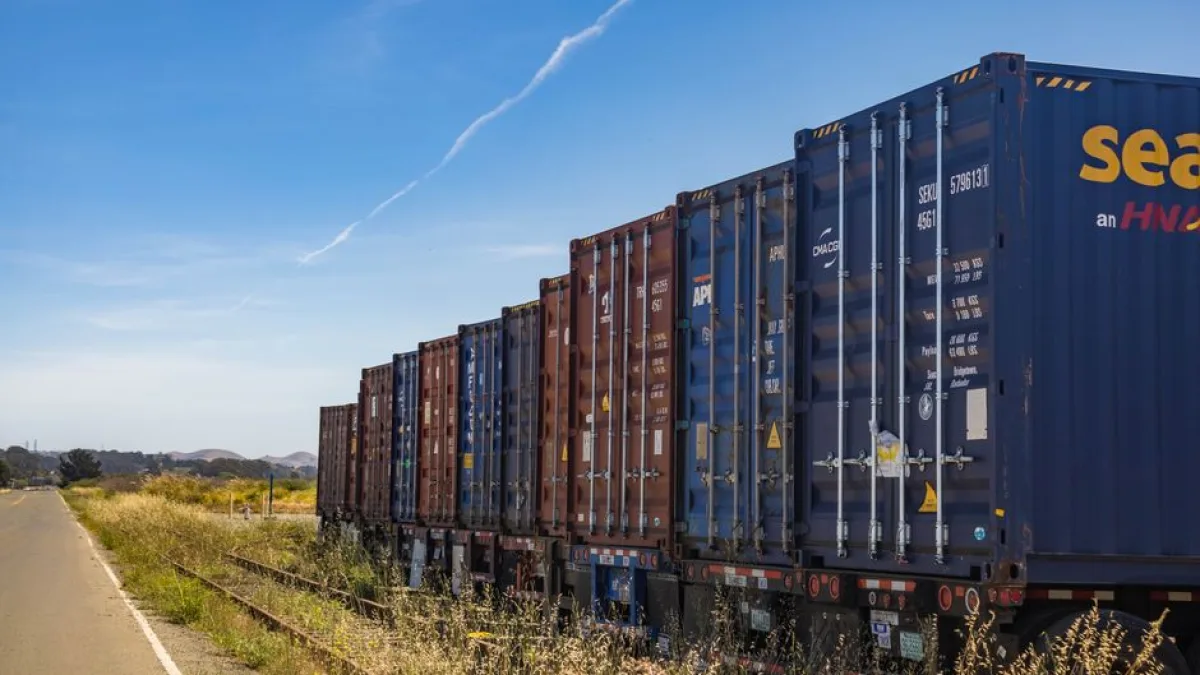
Staying ahead of regulatory changes requires active monitoring and immediate internal communication. Cloud platforms provide real-time alerts that notify your team about policy shifts or customs status updates, ensuring no important communication goes ignored or unaddressed by your staff.
- Custom notification rules: Set up specific alerts for key shipment milestones, ensuring your logistics coordinators receive immediate updates whenever a customs clearance status changes in the destination port.
- Regulatory change alerts: Monitor updates from international trade agencies through integrated feeds that push notifications directly to your dashboard, allowing for quick adjustments to your operational compliance strategy.
- Vendor compliance monitoring: Track the performance of your overseas agents to ensure they follow your documentation standards, which helps maintain consistency across your entire international logistics supply chain.
- Automated deadline reminders: Receive early warnings for upcoming filing deadlines, which gives your team enough buffer time to collect necessary signatures and resolve any unexpected documentation issues ahead.
- Exception handling workflows: Develop predefined steps for when a shipment is flagged for inspection, which reduces panic and ensures a standard, compliant response to unexpected regulatory intervention.
Real-time visibility turns potential compliance crises into manageable tasks that your team can address with speed and precision. When you receive immediate updates, you are no longer operating in the dark, allowing for faster decision making and reduced downtime. This agile approach to customs compliance ensures that your freight forwarding business remains resilient and responsive, even when facing sudden shifts in global trade environments.
Conclusion

Mastering customs compliance is essential for any modern freight forwarder aiming for sustainable growth. By integrating cloud-based digital tools, standardizing classification, and maintaining rigorous audit trails, you transform regulatory adherence into a powerful business advantage. Start optimizing your compliance workflows today to protect your operations, reduce costs, and deliver superior service to your clients. A compliant business is a truly scalable and resilient logistics enterprise.