Mastering Customs Compliance in Modern Global Logistics
Saturday, August 15 2026
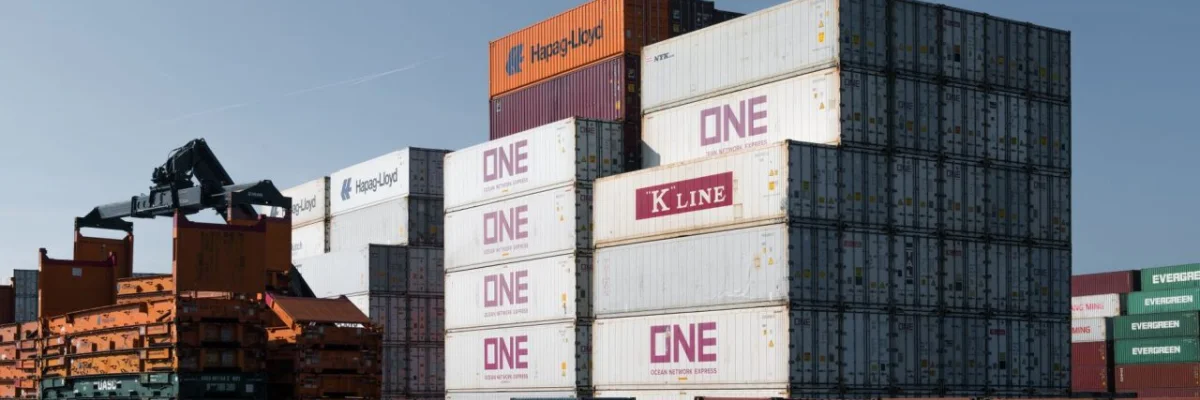
Navigating the complex landscape of international trade regulations requires more than just diligence; it demands a robust strategy to ensure seamless border crossings for global shipments. As freight forwarding professionals, you understand that customs compliance is the backbone of operational success and client trust. With shifting trade policies and digital transformation trends reshaping the industry, staying ahead of requirements is essential for avoiding costly delays and legal penalties. This article explores how adopting smarter workflows and leveraging modern technology can help your organization maintain full regulatory adherence while simultaneously accelerating your overall freight forwarding velocity in today's demanding market.
Digital Documentation Strategies

Transitioning from paper-heavy workflows to digital documentation is the most effective way to improve transparency and accuracy. Modern systems allow for real-time tracking of compliance data, ensuring that every document is stored securely and remains easily accessible during rigorous audits or inspections.
- Automated Data Entry: Implement smart software that pulls information directly from commercial invoices to reduce human typing errors that frequently lead to inaccurate customs declarations and significant financial penalties.
- Centralized Document Repository: Maintain a secure cloud-based hub where every relevant document for a shipment is stored, providing immediate access to teams when customs officials request secondary verification.
- Standardized Filing Templates: Use pre-configured templates that ensure all required information fields are completed correctly according to the specific destination country regulations and individual port authority demands.
- Secure Cloud Encryption: Protect sensitive client and shipment data with robust encryption protocols that satisfy international security standards while facilitating seamless digital transfers between your team members.
By moving your documentation process entirely into the digital cloud, you eliminate the risk of lost paperwork or miscommunication between departments. This shift not only saves significant time but also establishes a professional audit trail that protects your business from potential disputes. Embracing these digital tools allows your logistics team to focus on proactive problem solving rather than reactive administrative tasks during busy shipping seasons.
Managing Harmonized System Codes
Proper classification of goods using Harmonized System codes is the foundation of customs compliance and accurate tariff calculation. Errors in this area can lead to misapplied duties and potential border holds that jeopardize your delivery timelines and damage client relationships.
- Automated Classification Tools: Utilize advanced software algorithms that suggest the correct Harmonized System codes based on detailed product descriptions, ensuring consistency across your entire database of global shipments.
- Regular Code Audits: Conduct frequent reviews of your database to ensure that all codes remain updated according to the latest international tariff changes and local legislative updates.
- Detailed Product Database: Maintain an extensive library of product details and technical specifications that support your classification choices during any official review process by local authorities.
- Team Training Programs: Invest in ongoing education for your staff regarding the nuances of HS classification to minimize dependency on software alone and build human expertise internally.
Mastering the intricacies of tariff classification is a continuous process that requires a dedicated approach. When you invest time in training and software tools to perfect your classification strategy, you reduce the likelihood of costly interventions at the border. Ultimately, precise HS coding facilitates a smoother clearance experience for your clients and reinforces your reputation as a reliable expert in global logistics operations.
Real-time Regulatory Monitoring
Keeping pace with rapidly changing global trade regulations is a significant challenge for any freight forwarder. Accessing real-time information is no longer optional but a necessity for companies that want to minimize the risk of non-compliance and avoid unexpected delays.
- Alert Notification Systems: Enable automated alerts that notify your team immediately when there are legislative updates or changes in trade agreements within your key shipping corridors worldwide.
- Regional Expert Networks: Partner with local customs brokers who possess ground-level knowledge of regional nuances and can interpret how new policies will impact your specific current shipments.
- Customized Compliance Dashboards: Utilize software dashboards that consolidate regulatory news, tracking status, and compliance scores into a single visual view for quick assessment by your operations team.
- Proactive Risk Analysis: Review your current shipping lanes regularly to identify potential regulatory hurdles before they occur, allowing you to adjust your logistics routes well in advance.
Maintaining a proactive stance regarding regulatory changes positions your company as a leader in the competitive freight landscape. By utilizing technology to monitor shifts, your team can adapt workflows instantly to comply with new requirements. This high level of agility helps you maintain consistent service levels, keeping your cargo moving efficiently while others struggle to understand new policies or deal with unexpected border closures.
Leveraging Advanced Software Analytics

Advanced analytics provides deep insights into your customs compliance performance, highlighting areas where inefficiencies exist. By reviewing your historical data, you can identify patterns that contribute to delays and implement structural changes that improve your long-term operational effectiveness and throughput.
- Performance Tracking Metrics: Analyze your clearance times across different ports and carriers to pinpoint bottlenecks that consistently cause delays, allowing for more strategic selection of logistics partners.
- Error Pattern Identification: Review historical data to find recurring document errors or classification issues, enabling you to fix the root cause rather than just applying temporary fixes.
- Reporting for Stakeholders: Generate comprehensive reports for your management and clients that demonstrate your commitment to compliance while highlighting your success in reducing transit time variance.
- Efficiency Trend Analysis: Use predictive modeling to forecast future resource needs during peak seasons, ensuring your team has adequate support to handle increased volumes without compromising compliance.
Data is a powerful asset when it comes to managing the complexities of global logistics. When you translate your shipping history into actionable intelligence, you turn compliance from a static burden into a competitive advantage. This strategic use of information enables you to optimize your processes continuously, ensuring that your organization remains both compliant and highly efficient as your global reach continues to expand.
Conclusion

Achieving excellence in customs compliance requires a blend of technology, accurate data, and proactive management. By digitalizing your documentation and utilizing advanced analytics, you can navigate the complex global regulatory environment with complete confidence. MakeCargo offers the necessary tools to streamline these critical processes, helping you stay ahead of the curve while delivering superior service to your clients. Start your path toward better compliance today.