Mastering Customs Compliance in Modern Global Logistics
Monday, August 17 2026
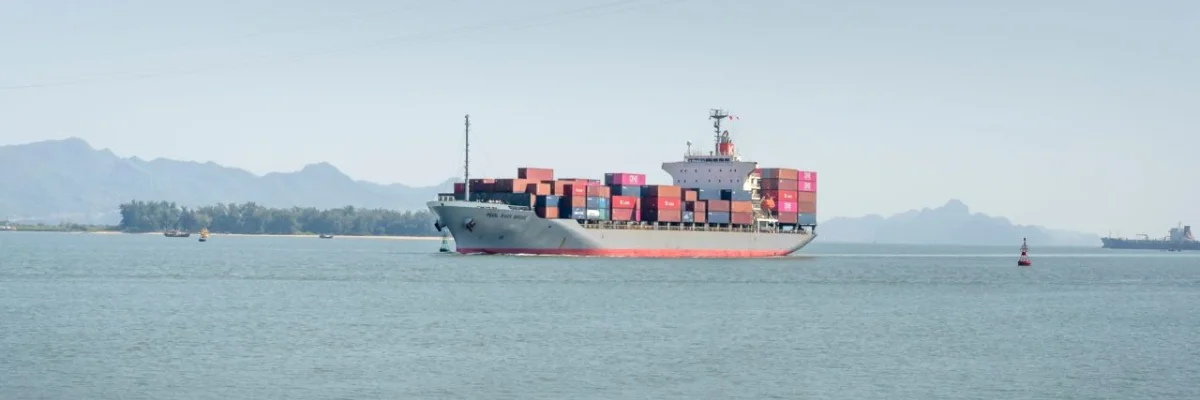
Navigating the complex landscape of international trade regulations requires more than just diligence; it demands a robust strategy to ensure seamless movement of goods across borders. Freight forwarders often face the daunting task of balancing speed with strict adherence to local and international customs laws. As global supply chains become increasingly intricate, the margin for error diminishes significantly. By leveraging advanced technology and staying updated on regulatory changes, logistics professionals can mitigate risks, avoid costly penalties, and maintain a competitive edge. This article explores essential pillars of customs compliance to help your firm operate with greater efficiency and confidence.
Understanding Regulatory Documentation

Accurate documentation serves as the backbone of every successful customs clearance process globally. Missing or incorrect paperwork frequently causes long delays and heavy financial fines for shipping companies. Maintaining meticulous records ensures that your operations remain compliant during audits and inspections.
- Prioritize data accuracy: Entering consistent information across all commercial invoices and packing lists prevents discrepancies that trigger manual reviews by customs authorities and slow down your overall transit timelines.
- Standardize filing formats: Utilizing digital platforms to create uniform documentation templates reduces the risk of human error and ensures that every submission meets specific international regulatory compliance requirements.
- Automate data validation: Implementing software that checks for missing fields or invalid codes before submission helps your team catch errors early in the documentation process before items reach borders.
- Archive records securely: Maintaining a structured and searchable digital archive of all past declarations simplifies the audit process and provides necessary proof of compliance during government investigations or reviews.
By streamlining how you manage your essential documentation, your team significantly reduces the risk of detention. Consistent attention to detail helps you establish a reputation for reliability with local authorities. When data is managed through a central digital system, transparency becomes the standard rather than an exception. This operational shift ultimately creates a smoother experience for clients and helps you avoid expensive late fee charges.
Leveraging Advanced Technology Solutions

Modern software platforms empower freight forwarders to track compliance statuses in real time across multiple jurisdictions simultaneously. Relying on manual spreadsheets often leads to outdated information and critical gaps in regulatory oversight. Automation provides the visibility necessary for proactive management.
- Automated trade screening: Advanced systems automatically scan cargo manifests against global restricted party lists to ensure your shipments never violate international sanctions or restricted trade protocols during transit.
- Real time monitoring: Integrated dashboards offer immediate updates on the status of your declarations, allowing your logistics coordinators to resolve potential issues before they become major shipment delays.
- Centralized compliance data: Storing all regulatory requirements within a single cloud platform ensures that your entire staff uses the most current and verified data for all customs filings.
- Predictive risk analytics: Using data driven insights helps identify trends in customs holds, allowing your firm to proactively adjust shipping strategies to maintain high service levels for customers.
Investing in the right software ecosystem is no longer optional for firms operating at a high volume. These tools provide the agility needed to respond to sudden changes in global trade policies. By centralizing your information, you create a source of truth that benefits your entire operation. Consistent application of these digital tools ensures that you remain competitive in an increasingly fast paced logistics market.
Staff Training and Continuous Education

Human expertise remains a vital asset in the rapidly changing world of international freight forwarding and customs law. Providing your employees with regular training sessions keeps them informed about updates to regional legislation. Well trained teams are far more effective at preventing errors before they occur.
- Regular law updates: Hosting monthly briefings on changes to international trade laws ensures that your customs department is always applying the latest regulations to every active cargo shipment.
- Specialized certification programs: Encouraging staff to pursue professional customs brokerage certifications builds a culture of expertise and ensures that your firm adheres to the highest industry standards possible.
- Cross departmental training: Teaching sales and operations teams about basic compliance requirements prevents them from making promises to clients that might be impossible to fulfill due to regulations.
- Scenario based workshops: Practicing how to handle emergency customs situations prepares your staff to remain calm and effective when facing unexpected inspections or documentation challenges during the work week.
When you invest in your team, you strengthen the overall compliance profile of your entire forwarding business. Knowledgeable staff members can identify red flags early, protecting your firm from potential regulatory trouble. Continuous learning fosters a sense of responsibility and professionalism across all departments. This cultural focus on education helps your logistics company navigate even the most difficult regulatory environments with relative ease.
Proactive Risk Mitigation Strategies
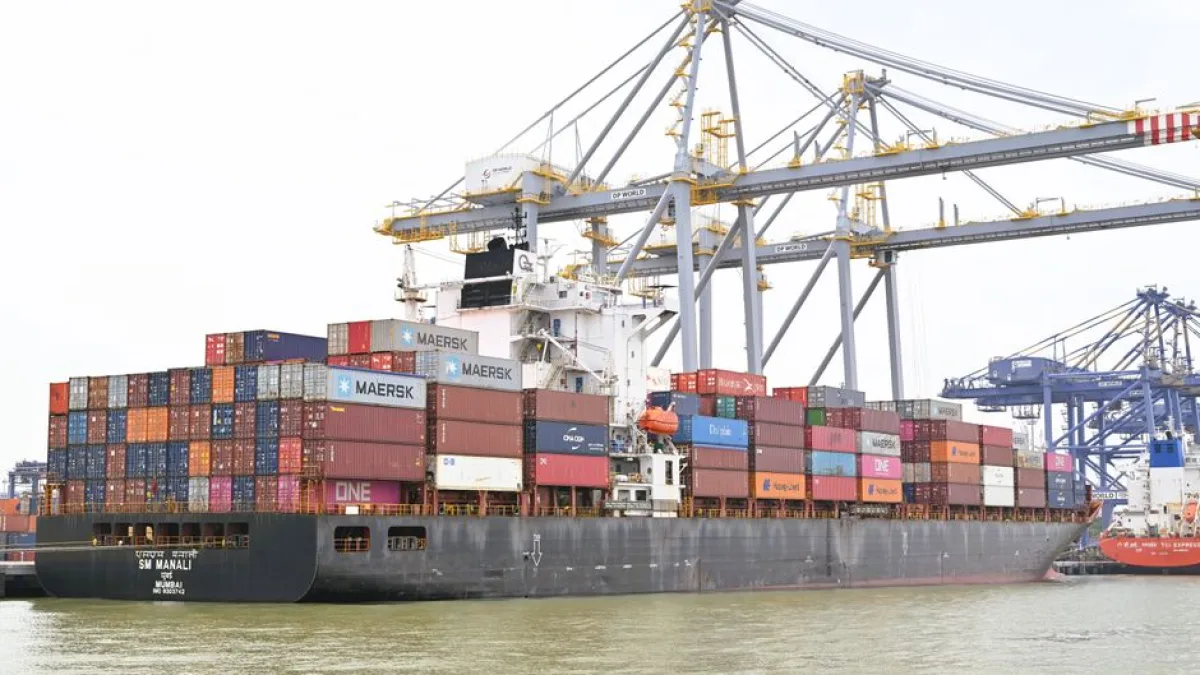
Identifying risks early in the supply chain lifecycle allows for corrective measures before shipments face official penalties. A reactive approach to customs compliance often results in lost revenue and damaged relationships with key global clients. Developing a proactive framework is essential for sustainable growth.
- Audit supply chains: Conducting periodic internal audits of your shipping processes helps you identify vulnerabilities and implement stronger controls to ensure full alignment with current global trade standards.
- Vet all partners: Performing thorough background checks on carriers and suppliers ensures that every link in your supply chain maintains the same high standards of legal compliance.
- Maintain open communication: Building transparent and professional relationships with local customs officers can facilitate smoother problem solving and provide clarity during complex cargo clearance situations or investigations.
- Emergency response plans: Creating standardized procedures for unexpected border delays ensures that your staff knows exactly how to respond when shipments are flagged for inspection by officials.
A proactive strategy acts as a safety net that protects your firm from the unexpected. By constantly monitoring internal and external variables, you position your organization to handle challenges with resilience and speed. This forward thinking mindset not only prevents financial losses but also builds trust with clients who value reliability. Focusing on long term risk management is the true key to operational excellence.
Conclusion
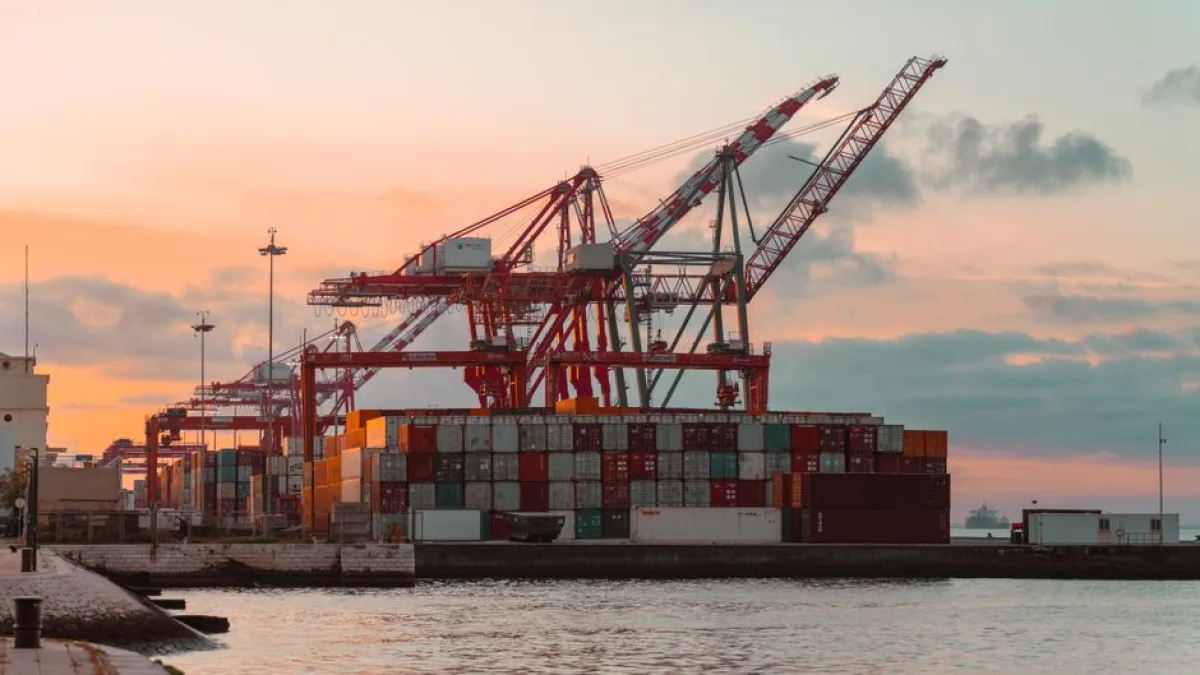
Mastering the complexities of customs compliance requires a dedication to both advanced technology and human expertise. By prioritizing accurate documentation, continuous team education, and proactive risk management, your firm can thrive in a global market. Staying ahead of regulatory changes ensures your operations remain efficient and penalty free. Implement these strategies today to build a stronger and more reliable logistics foundation for your future growth.