Mastering Customs Compliance in Modern Global Logistics
Sunday, August 30 2026
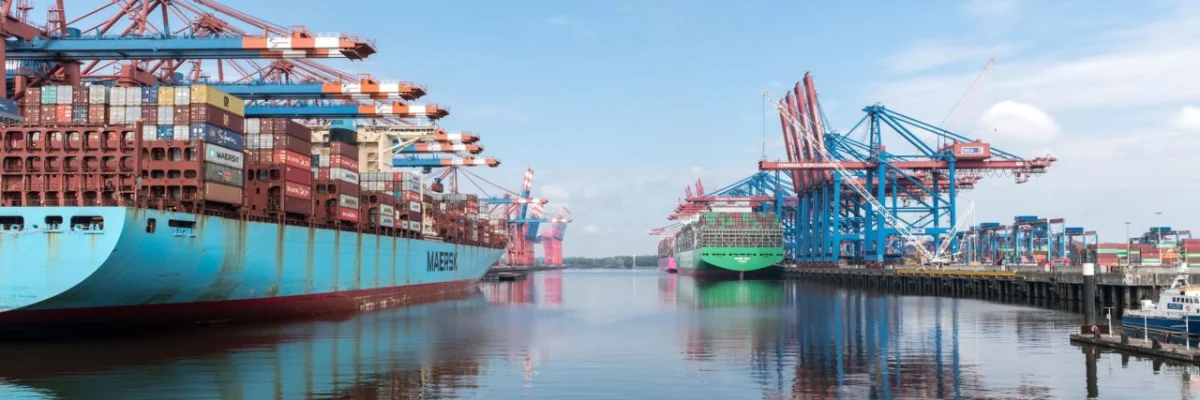
Navigating the complex landscape of international trade regulations requires more than just diligence; it demands a robust, technology-driven strategy to ensure seamless movement of goods across borders. As global supply chains face increasing scrutiny from regulatory authorities, freight forwarders must prioritize accuracy in documentation, tariff classification, and real-time visibility. By leveraging cloud-based platforms like MakeCargo, logistics professionals can mitigate the risks associated with non-compliance, such as heavy fines, shipment delays, and reputational damage. Mastering these administrative hurdles is not merely a bureaucratic requirement but a competitive advantage that enables your firm to operate with efficiency, transparency, and agility in an volatile market.
Automating Trade Documentation Processes

Automating your documentation workflow is the primary step toward reducing human error in a high-volume environment. By digitizing manual entries and utilizing integrated software, your team can ensure that every commercial invoice and packing list meets international standards, saving valuable time and money.
- Data Accuracy Verification: Automated systems validate entries against pre-set regulatory criteria to prevent common typos or missing fields that trigger manual reviews by customs officers at major border crossings.
- Centralized Document Storage: Keeping all compliance files in a single cloud location ensures that your team can access necessary paperwork instantly during sudden audits or unexpected port inspections.
- Template Management Efficiency: Standardizing your shipping documents through dynamic templates reduces the risk of incorrect information being shared with local authorities, ensuring consistency across every single international client.
- Real-time Workflow Updates: Automated notifications alert your staff when a specific document requires immediate attention, helping to avoid bottlenecks that could stall an entire container at the terminal.
Transitioning from paper-based systems to automated cloud platforms significantly lowers your operational overhead while simultaneously increasing your compliance posture. When your team spends less time hunting for misplaced documents or correcting basic mistakes, they can dedicate more energy to strategic growth and client satisfaction. Investing in the right technology today secures your firm against the growing complexities of future global trade requirements and standards.
Understanding Classification and Tariff Codes

Proper classification of your cargo is essential to avoiding costly penalties during the customs clearance process. Using incorrect Harmonized System codes can lead to unexpected tax liabilities, shipment seizures, and extended delays that frustrate your clients and harm your operational margins.
- Precise HS Coding: Utilizing an integrated database of HS codes ensures that you apply the correct tariff classification for every product, preventing discrepancies during the formal entry filing process.
- Regulatory Change Monitoring: Modern software tools automatically track updates to global trade tariffs, allowing your firm to adjust your classification strategy before your next shipment leaves the origin port.
- Audit Trail Integrity: Maintaining a clear history of how and why specific codes were selected provides vital protection if authorities ever question your compliance decisions during retrospective audits.
- Risk Mitigation Strategy: Consistent application of classification rules helps reduce the probability of triggering intensive cargo examinations, which frequently lead to unexpected storage fees and logistical service disruptions.
Mastering the intricacies of HS codes allows your logistics firm to provide accurate cost estimations to clients, building trust and professional reliability. By removing the guesswork from tariff calculation, you minimize the risk of surprise invoices upon arrival. This proactive approach to classification turns a complex regulatory burden into a predictable process, ensuring that your shipments continue to flow smoothly through every major global port.
Enhancing Supply Chain Transparency

Real-time visibility into the movement of goods is no longer a luxury but a fundamental requirement for customs compliance. Knowing exactly where your cargo is located allows for proactive management of any regulatory hurdles that may arise during the transit or clearance cycle.
- End-to-End Tracking: Visibility platforms provide you with constant status updates on your shipments, allowing for early intervention if a container is flagged for a mandatory customs hold.
- Proactive Issue Resolution: When you detect a delay early, you can contact authorities or clients to resolve issues before they escalate into full-blown logistical crises or penalties.
- Collaborative Communication Channels: Secure portals allow your team to share real-time updates with customs brokers and warehouse staff, ensuring that everyone remains aligned throughout the clearance process.
- Historical Data Analysis: Reviewing past shipment patterns helps you identify recurring compliance bottlenecks, enabling you to optimize your routing and selection of carriers for future logistics operations.
Improving visibility empowers your organization to handle customs challenges with confidence rather than reacting in panic to unforeseen circumstances. By providing your clients with an accurate and reliable view of their cargo location, you differentiate your service in a crowded market. Transparency fosters stronger partnerships and provides the data-driven insights necessary to optimize your logistics network for maximum speed and regulatory efficiency.
Building Strong Regulatory Relationships
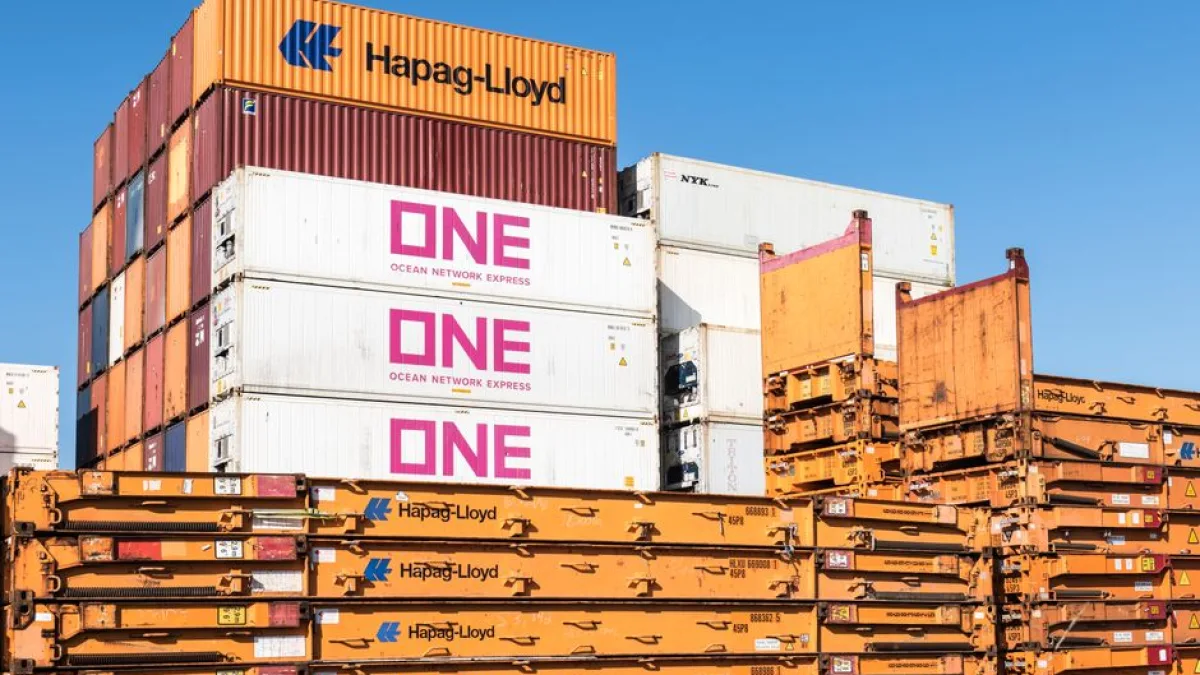
Strong partnerships with customs brokers and local authorities are critical for maintaining compliance. Cultivating these professional relationships ensures you remain informed of local regulations and policy shifts, giving your business a distinct advantage when navigating the complexities of international customs and border laws.
- Broker Integration Strategies: Connecting your software directly with customs brokers streamlines communication, ensuring that all necessary data for entry filings is exchanged without delays or manual errors.
- Regulatory Knowledge Sharing: Regular meetings with local authorities help your staff understand emerging compliance trends, allowing you to adapt your operating procedures ahead of any formal policy shifts.
- Documentation Quality Control: Providing brokers with consistently clean and accurate data fosters a reputation for reliability, making them more likely to prioritize your shipments during busy periods.
- Standardized Partner Protocols: Establishing clear guidelines for your external partners ensures that all parties follow the same compliance standards, protecting your firm from errors made by third parties.
Solid relationships serve as your firm's first line of defense against the unpredictability of international trade. By treating your brokers and local authorities as strategic partners, you build a foundation of trust that benefits your operational continuity. These connections offer you invaluable insights into local market conditions and regulatory changes, helping you navigate the global logistics landscape with greater security and overall long-term success.
Conclusion
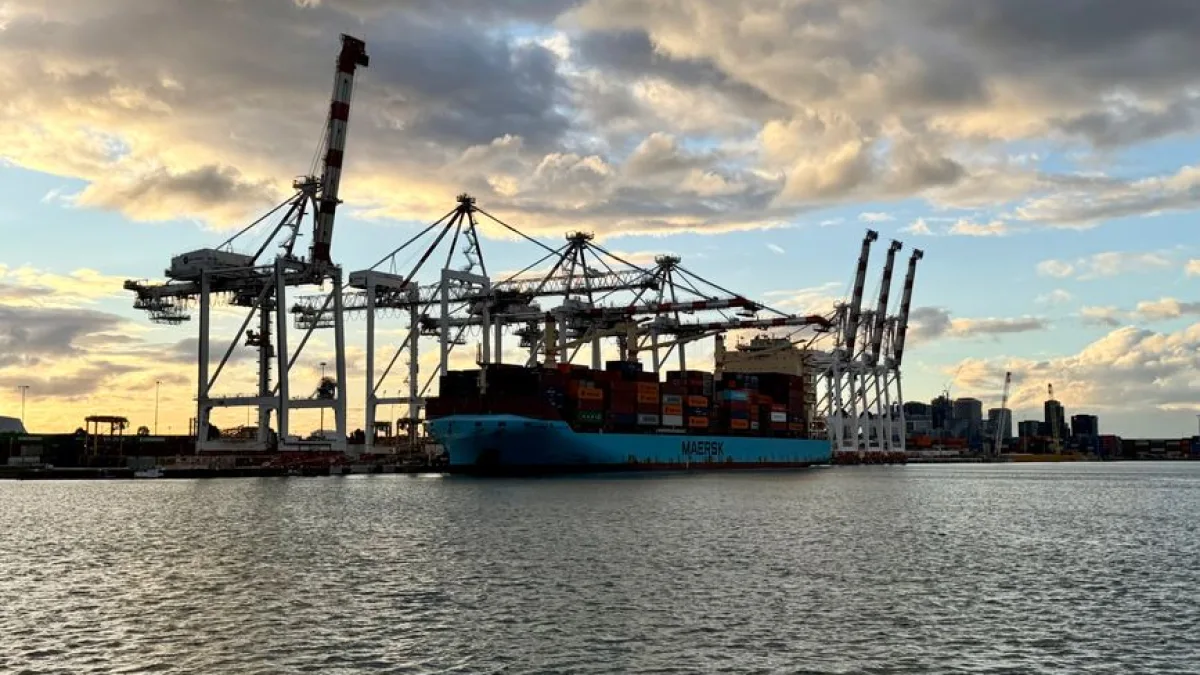
Navigating customs compliance is a vital aspect of modern freight forwarding that requires a combination of technology and strategic partnerships. By automating documentation, mastering HS codes, increasing visibility, and fostering strong professional relationships, you can turn regulatory hurdles into operational strengths. Trust in tools like MakeCargo to manage these complexities effectively, allowing your team to focus on delivering world-class service to your international clients every day.