Mastering Customs Compliance in Modern Global Logistics
Thursday, September 3 2026
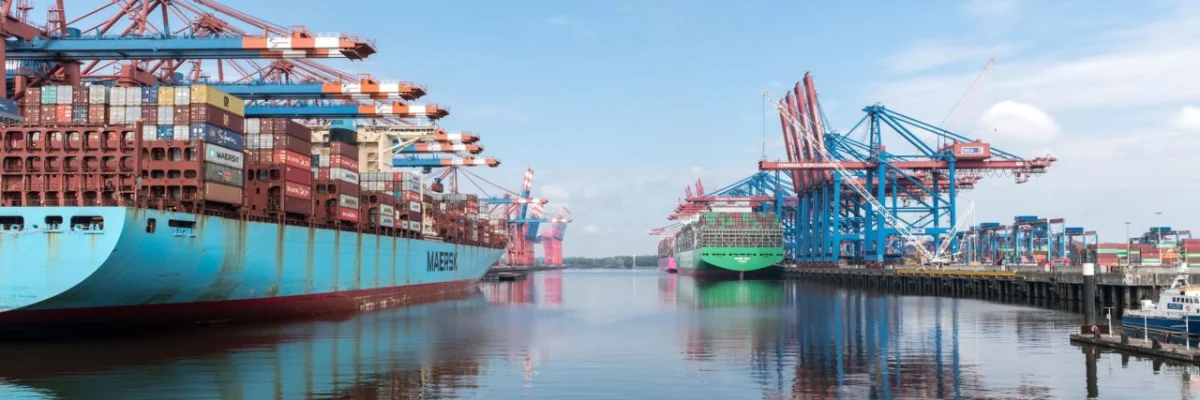
Navigating the complex landscape of international trade regulations requires constant vigilance and a robust digital strategy. For freight forwarders, customs compliance is the backbone of operational success, directly impacting supply chain velocity and client trust. As global trade policies evolve with increasing speed, the risk of delays, heavy fines, or seized cargo becomes a significant threat to profitability. By leveraging cloud-based platforms to automate data validation and documentation, forwarders can transform compliance from a reactive burden into a competitive advantage, ensuring seamless cross-border movements while minimizing the human error that often plagues manual entry processes today.
Understanding Regulatory Frameworks
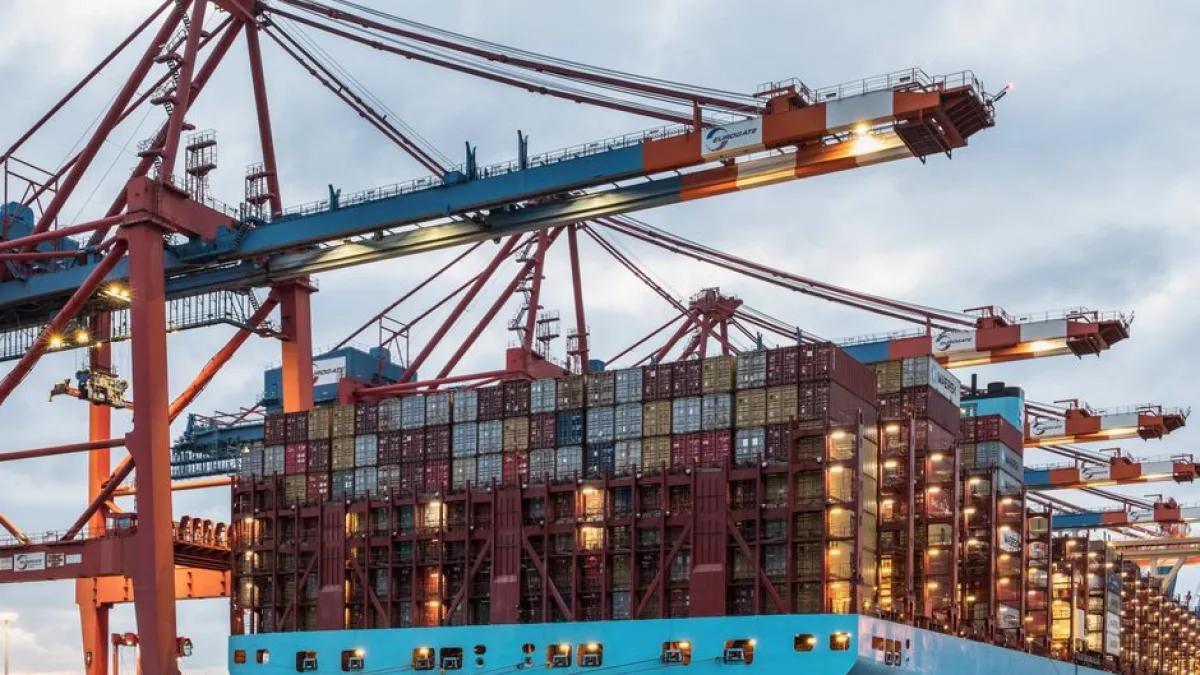
The global trade environment is governed by a dense web of local and international regulations that require meticulous attention. Keeping track of changing tariffs, trade agreements, and import restrictions is a fundamental requirement for maintaining a smooth and efficient logistics operation daily.
- Automated Tariff Classification: Utilize digital tools that integrate with national customs databases to ensure accurate HTS code assignment, significantly reducing the risk of misclassification and potential penalties from authorities.
- Trade Agreement Utilization: Leverage software features that automatically identify eligibility for preferential duty rates under existing trade agreements to optimize total landing costs for your valued clients.
- Real-time Regulatory Updates: Rely on cloud platforms that push automated notifications regarding sudden changes in customs laws to keep your team informed and ahead of competitors.
- Documentation Accuracy Audits: Perform systematic digital checks on all shipping documents to identify discrepancies in declared values or quantities before files reach customs agents for official processing.
Adopting a proactive approach to regulatory awareness allows your team to navigate potential pitfalls with confidence. By standardizing documentation workflows within your cloud infrastructure, you reduce the likelihood of costly interventions at the border. Consistent monitoring of legislative shifts ensures that your business remains compliant while simultaneously improving the overall speed of your supply chain, creating lasting reliability for all of your international shipping partners.
Digital Documentation Management

Transitioning from paper-heavy workflows to digitized document management is essential for modern freight forwarding. Centralized systems provide a single source of truth for compliance officers, ensuring that all necessary records are easily accessible, searchable, and audit-ready at any given moment.
- Cloud Storage Security: Maintain secure repositories for all customs entries, commercial invoices, and packing lists to ensure complete data integrity and accessibility during mandatory post-entry customs audits.
- Automated Data Extraction: Use intelligent scanning and optical character recognition software to populate compliance forms automatically, which eliminates manual data entry errors and saves significant staff time.
- Audit Trail Visibility: Create permanent digital records of every change made to shipping documentation, allowing managers to track revisions and identify specific bottlenecks in the process.
- Standardized Submission Protocols: Implement uniform digital templates that guide employees through required field inputs, ensuring that every submission meets the precise formatting standards demanded by local customs authorities.
Efficient document management creates a strong defense against regulatory scrutiny. When all stakeholders share a centralized digital environment, information flows without friction, drastically reducing the time spent on manual administrative tasks. Investing in reliable software solutions empowers your staff to focus on strategic client support instead of hunting for missing files, which ultimately enhances your reputation for professionalism in the logistics industry.
Risk Mitigation and Accuracy
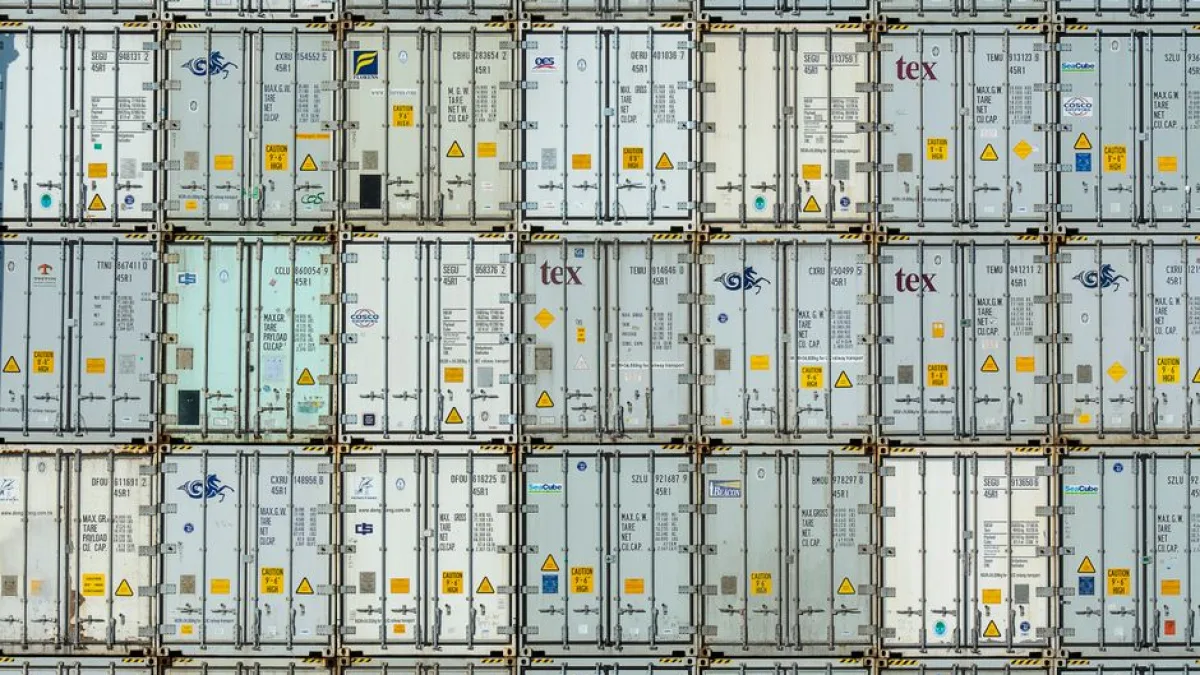
Proactive risk mitigation involves identifying potential issues before they become terminal problems. By integrating validation checks directly into your cloud-based freight management software, you can flag non-compliant shipments early, preventing transit delays that hurt your bottom line and your client relationships.
- Validation Logic Checks: Deploy software that automatically flags inconsistencies between commercial invoices and bill of lading data to prevent costly rejections during the customs entry process.
- Restricted Party Screening: Ensure that all involved shippers and consignees are cross-referenced against international denied party lists to maintain compliance with global export control regulations today.
- Proactive Error Reporting: Configure your operating system to generate alerts for missing documents or invalid tax identification numbers immediately, allowing for rapid corrections before cargo shipment begins.
- Predictive Compliance Analytics: Analyze historical data to identify common errors or recurring customs holds, enabling your team to implement preventative training and process improvements for better results.
Building a culture of accuracy relies on robust software that enforces compliance at every step. By catching errors during the planning stage, you avoid the high costs of storage fees, detention, and potential legal exposure. Modern forwarders who prioritize these preventative strategies secure a superior standing in the marketplace, as clients value the consistency and peace of mind provided by a reliable, compliant partner.
Leveraging Advanced Software Tools

The right technology stack acts as a force multiplier for any freight forwarding business. Cloud-native platforms offer the flexibility needed to adapt to evolving requirements while providing the high-level visibility necessary to manage complex customs operations across multiple global jurisdictions effectively.
- Seamless API Integration: Connect your internal software with national single windows and customs brokers to facilitate near-instant electronic data transmission and receive immediate feedback on shipment status.
- Scalable Cloud Infrastructure: Expand your compliance capabilities effortlessly as your business grows, using cloud-based tools that handle increased transaction volumes without requiring massive capital investment in servers.
- User Access Management: Assign specific permissions within your platform to ensure that only authorized personnel can handle sensitive customs data, maintaining strict security and compliance standards daily.
- Automated Compliance Reporting: Generate comprehensive reports that summarize your compliance performance metrics, helping you identify areas for growth and demonstrating operational excellence to your prospective logistics clients.
Utilizing advanced software tools is no longer optional for firms operating in the international trade arena. By embracing cloud-based solutions, you position your organization to handle complex regulatory environments with speed and precision. This technological foundation supports scalable growth and ensures that your customs department remains agile. Invest in your digital future today to ensure that your logistics operations remain efficient and fully compliant.
Conclusion

Successfully navigating customs and compliance requires a combination of proactive regulatory oversight, digitized documentation, and robust software tools. By prioritizing these elements, freight forwarders can effectively mitigate risks and accelerate their operational throughput. Start optimizing your customs workflows today by evaluating how your current technology stack supports these critical pillars of trade, ensuring your company remains a trusted and highly efficient partner in global logistics.