Mastering Customs Compliance in Modern Global Logistics
Wednesday, September 9 2026
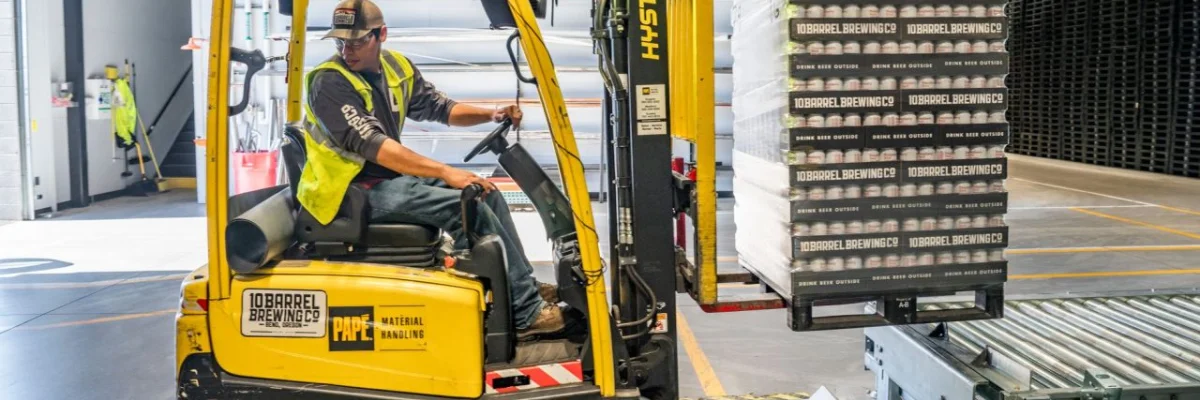
Navigating the complex landscape of international trade regulations requires precision and foresight from every freight forwarder. As supply chains become increasingly globalized, the pressure to maintain seamless customs compliance has intensified. Discrepancies in documentation or failure to adhere to evolving tariffs can result in severe financial penalties and long delays at borders. By leveraging digital platforms that automate classification and filing processes, professionals can mitigate risks while enhancing operational transparency. This article explores essential strategies for modernizing your compliance workflow, ensuring your business stays ahead of regulatory shifts while maintaining the trust of your global partners and clients.
Digital Documentation Management

Transitioning from paper-based systems to digital management is essential for accuracy in modern logistics. Automated platforms streamline the handling of essential trade documents, reducing human error and ensuring that every piece of information aligns with international standards during the shipping process.
- Real-time data synchronization: Our software ensures that all stakeholders access identical, updated information simultaneously to prevent conflicting declarations and regulatory discrepancies during the critical customs clearance process for your international shipments.
- Centralized document repository: Maintaining all commercial invoices and packing lists in a secure cloud environment simplifies retrieval during audits while protecting your sensitive trade data against loss or unauthorized access.
- Automated compliance checks: Intelligent verification tools cross-reference your entered data against updated trade databases to flag potential errors before submissions are sent to local customs authorities for final approval.
- Version control protocols: Implementing strict versioning ensures that only the most recent documentation is shared with authorities, eliminating the common risk of filing outdated information during volatile trade conditions.
- Error reduction strategies: Digitizing manual inputs directly from source documents significantly decreases typographical mistakes which often trigger time-consuming inspections and costly administrative fines at international port of entry locations.
Adopting these digital tools transforms your compliance department into a competitive advantage for your firm. By removing manual bottlenecks, your team can focus on complex trade issues rather than mundane data entry tasks. This evolution not only speeds up cargo transit times but also builds lasting credibility with customs agencies worldwide, ultimately creating a more robust and predictable foundation for your daily freight forwarding operations.
Tariff Classification Optimization
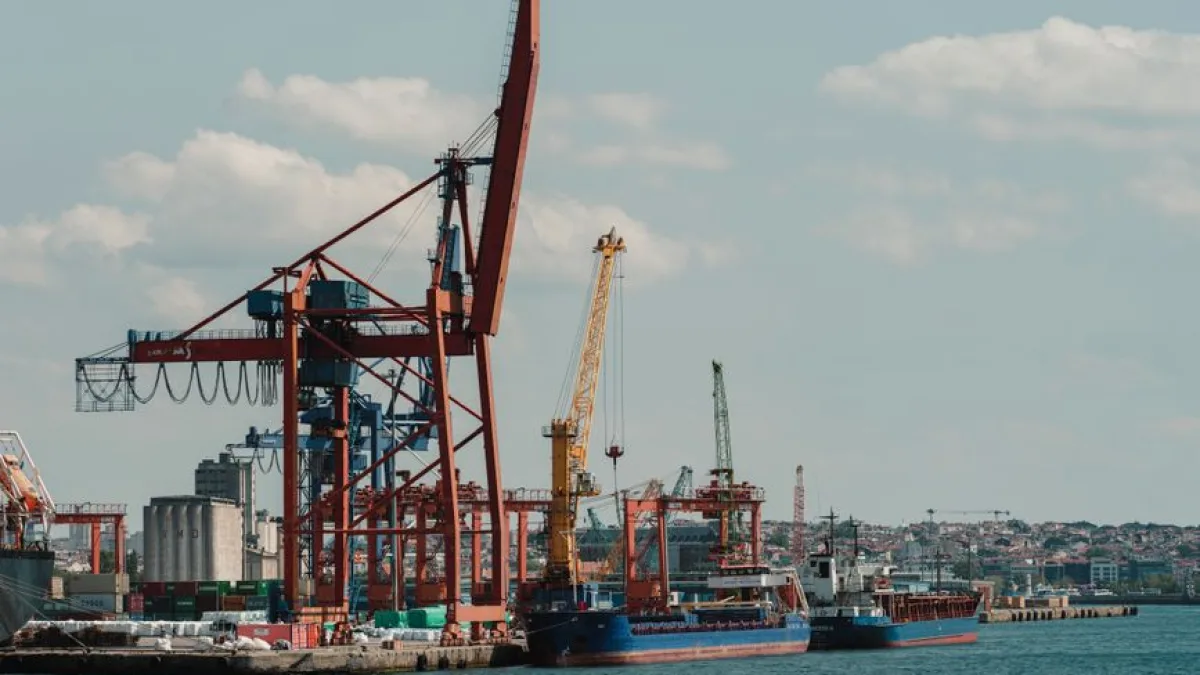
Accurate classification of goods under the Harmonized System is the cornerstone of regulatory compliance. Misclassification can lead to incorrect duty payments and severe audits, making it critical to implement sophisticated software that keeps pace with constant changes in global tariff codes.
- Dynamic HS mapping: Our platform maps your specific products to the correct Harmonized System codes, ensuring that you pay the exact duty rates required by current trade legislation mandates.
- Periodic code updates: The software automatically pushes updates regarding changes in international nomenclature, ensuring your team is never caught off-guard by shifting classifications or newly implemented trade tariff policies.
- Historical audit trails: Tracking every classification decision creates a transparent history that protects your business if customs officials ever question the methodology behind your past duty payment filings.
- Standardized product databases: Creating a master database for recurring shipments ensures consistency across your entire organization, preventing different team members from applying inconsistent codes to identical cargo items.
- Regulatory alert notifications: Proactive notifications inform your logistics coordinators about sudden shifts in import requirements, allowing them to adjust documentation strategies before goods reach their final border destination points.
Precision in classification is not just about avoiding fines, it is about optimizing your entire financial output. When you correctly categorize every shipment, you eliminate unnecessary duty overpayments and prevent the cargo delays caused by mislabeled items. Investing in systematic classification tools provides a reliable framework that scales with your company, allowing you to handle larger volumes of diverse freight with total confidence.
Managing Regulatory Change

Global trade policies shift rapidly, requiring forwarders to remain agile and well-informed. Staying updated on international trade agreements and regional embargoes is a full-time task that requires the right technological support to monitor and apply changes across your workflows.
- Global policy tracking: Our software monitors major geopolitical developments to provide early warnings on trade policy changes, allowing you to pivot your shipping strategies before they affect your bottom line.
- Regional trade monitoring: Accessing localized compliance data for different regions ensures that your documentation complies with specific country requirements, whether you are shipping through Asian or European ports.
- Automated process adjustments: When trade rules change, the software updates internal workflow templates automatically, ensuring that no employee relies on outdated procedures when processing new cargo shipments for clients.
- Stakeholder communication hubs: Keeping clients informed about regulatory shifts using our built-in notification system helps manage expectations and maintain transparency regarding potential transit delays or cost fluctuations in shipping.
- Customs bond tracking: Managing your bond requirements within the digital dashboard ensures that you always maintain active status and compliance with regional financial guarantees for high-value cargo.
Proactive management of these shifting regulations separates market leaders from those struggling with constant administrative hurdles. By integrating policy monitoring into your software environment, you gain the ability to respond to market changes in seconds rather than hours. This proactive approach ensures your team consistently delivers reliable service, turning potential regulatory obstacles into manageable tasks that do not disrupt your core business objectives.
Building Strong Customs Partnerships

Cultivating transparent relationships with local customs authorities is a strategic necessity. By providing clear, accurate data and demonstrating consistent adherence to rules, freight forwarders can often reduce the frequency of physical inspections and streamline the release process for their clients.
- Transparent data sharing: Providing customs officials with clean and structured digital reports fosters mutual trust, which frequently leads to expedited clearance procedures and fewer administrative obstacles for your shipments.
- Standardized reporting formats: Using our platform to generate reports ensures that every submission is perfectly formatted for customs portals, minimizing the chance of rejections caused by incompatible document structures.
- Audit readiness support: Our system simplifies the process of gathering evidence for customs audits, allowing you to prove compliance quickly and maintain your good standing with all government agencies.
- Proactive dispute resolution: Tracking communication logs within the software helps resolve minor inquiries from customs agents immediately, preventing small questions from escalating into major operational delays or legal issues.
- Performance metric tracking: Analyzing your clearance history helps identify recurring friction points with specific authorities, allowing you to implement targeted solutions that improve your long-term success rate with customs.
Your relationship with customs authorities serves as the final gatekeeper for your cargo. When you prioritize transparency and digital excellence, you position your logistics company as a reliable partner in global trade. This professional reputation makes it easier to navigate future challenges, as authorities recognize your commitment to compliance. Ultimately, a strong, digitized foundation facilitates smoother logistics and improves overall customer satisfaction levels.
Conclusion

Maintaining excellence in customs compliance is the primary driver of operational efficiency in modern logistics. By adopting advanced software solutions, you can replace manual errors with reliable automation, ensuring every shipment moves through borders without unnecessary friction. Start refining your compliance strategy today to protect your margins and build long-term trust. Contact the MakeCargo team to learn how our platform supports your specific trade needs.