Mastering Customs Compliance in Modern Global Logistics
Wednesday, September 9 2026
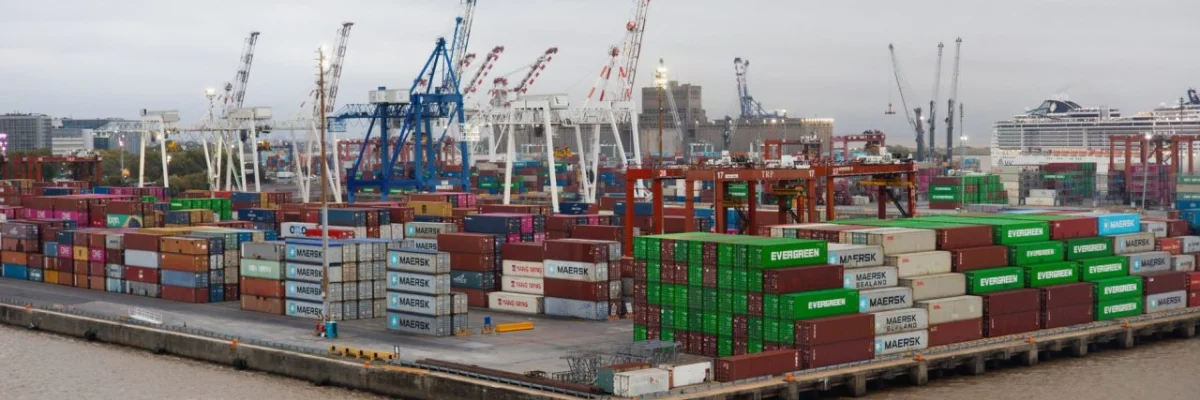
Navigating the complex landscape of international trade regulations requires more than just diligence. For modern freight forwarders, customs compliance is the backbone of operational success and long term reliability. As global supply chains face increasing scrutiny from regulatory bodies, businesses must shift from reactive manual processing to proactive digital management. By leveraging cloud based platforms, logistics professionals can ensure accurate documentation, reduce clearance delays, and mitigate the heavy financial risks associated with non compliance. This guide explores essential strategies to streamline your customs workflows, protect your partners, and maintain seamless cargo movement while adapting to the evolving requirements of global customs authorities.
Understanding Regulatory Frameworks

Regulatory frameworks dictate how goods move across borders and require meticulous attention to detail. Staying informed about international trade laws is essential for avoiding penalties, reducing inspection times, and maintaining a solid reputation with customs agencies around the world today.
- Tariff Classification Accuracy: Assigning correct Harmonized System codes is the foundation of duty payments. Errors here lead to significant fines, shipment delays, and potential audits from local tax authorities.
- Valuation Method Clarity: Clearly defining the customs value of your goods ensures you comply with international valuation rules. Transparency prevents disputes over underpayment or overpayment of import duties.
- Rules of Origin: Determining where your product originated helps you take advantage of specific trade agreements. Accurate origin documentation is vital for qualifying for preferential duty rates globally.
- Denied Party Screening: Regularly checking all entities involved in your shipments against global watchlists is necessary. Failure to vet partners can result in severe legal consequences for businesses.
- Import License Verification: Many regulated goods require specific permits before entering a country. Ensuring these licenses are active and valid prevents cargo from being seized at borders.
Adopting a proactive approach to regulatory awareness allows your team to navigate the complexities of trade law with greater confidence. By integrating automated screening tools into your daily workflow, you eliminate human error and ensure that every shipment adheres to strict international standards. This commitment to compliance not only safeguards your operational interests but also builds enduring trust with your clients in international markets.
Digitizing Documentation Processes

Manual paper trails often lead to costly bottlenecks in the customs clearance cycle. Transitioning to a centralized cloud platform streamlines data entry, improves collaboration between stakeholders, and ensures that critical compliance information remains accessible for audits or sudden inspections.
- Electronic Filing Systems: Moving to digital submissions reduces the risk of lost paperwork. Faster processing times are achieved when customs authorities receive clean data through secure online transmission channels.
- Automated Data Validation: Software tools can automatically check documents for missing fields or inconsistencies. This technology reduces the likelihood of clerical errors causing significant border clearance delays today.
- Cloud Based Archiving: Storing documents in the cloud ensures compliance with long term record keeping requirements. Accessible data allows your team to respond to inquiries from customs officials.
- Real Time Collaboration: Digital platforms enable partners to update information simultaneously across different time zones. This eliminates communication gaps that frequently cause cargo to get stuck in ports.
- Integrated Audit Trails: Detailed logs track every change made to your customs documentation. This visibility provides complete accountability and makes preparing for agency audits significantly more efficient.
Modernizing your documentation workflow is an investment that yields high dividends in operational efficiency. When data flows seamlessly between your team and customs officials, you minimize the risk of human oversight and accelerate the movement of goods. By embracing these digital solutions, your freight forwarding business can handle larger volumes of cargo while simultaneously strengthening its commitment to global trade compliance standards.
Risk Mitigation Strategies
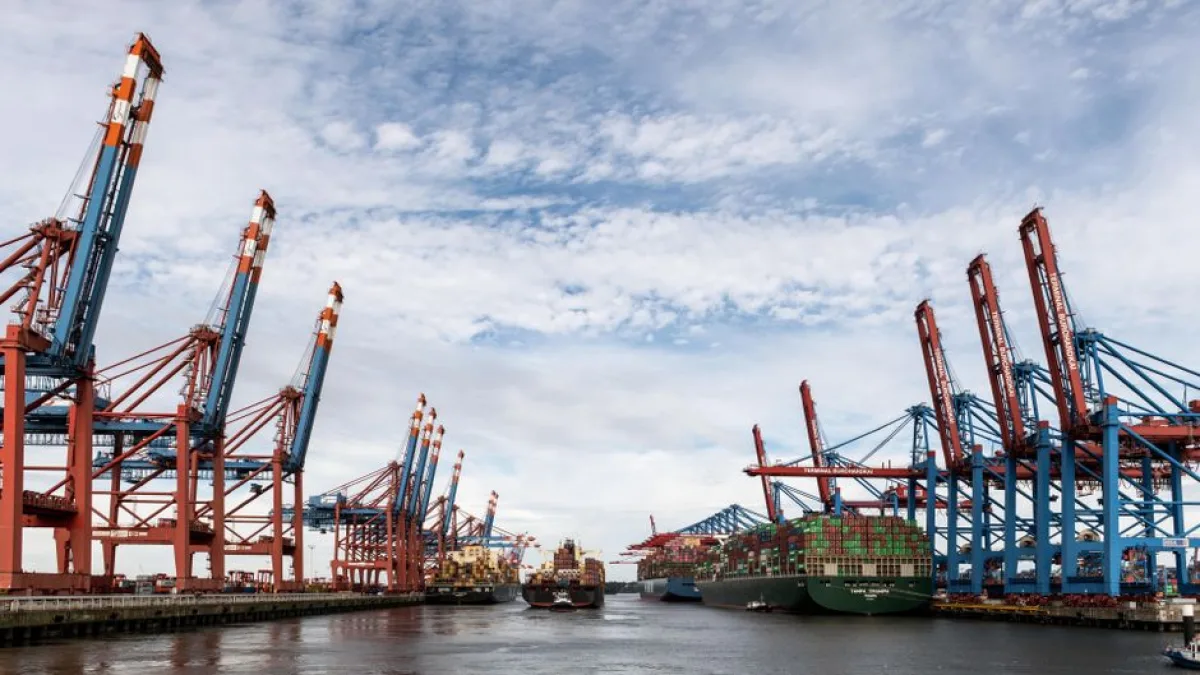
Freight forwarders operate in an environment where risks are constant and often unpredictable. Developing a robust risk management strategy involves identifying vulnerabilities in your supply chain and creating contingency plans that protect your clients from cargo delays or financial losses.
- Supply Chain Mapping: Understanding every node in your logistical network helps identify potential security risks. Proactive mapping allows you to mitigate disruptions before they affect the final delivery.
- Insurance Coverage Review: Having adequate insurance is essential for protecting against unexpected customs seizures or cargo damage. Evaluate your policies regularly to match current operational exposure levels.
- Periodic Internal Audits: Conducting regular reviews of your internal customs processes helps identify weaknesses. Consistent checks allow you to refine procedures and ensure that all staff follow.
- Vendor Compliance Programs: Require your suppliers and transport partners to meet your own strict compliance standards. This extends your risk management efforts across the entire global network.
- Emergency Action Planning: Prepare specific responses for common issues like port congestion or sudden regulatory shifts. Having a plan ensures that your team remains calm during crises.
Mitigating risk requires a combination of foresight, preparation, and the right technological tools to monitor performance. By taking these steps, you safeguard your business against the volatility of international trade while offering your clients peace of mind. A resilient logistics strategy does not just handle disruptions but prevents them, ensuring that your cargo moves reliably regardless of the challenges present in the market.
Leveraging Cloud Technology
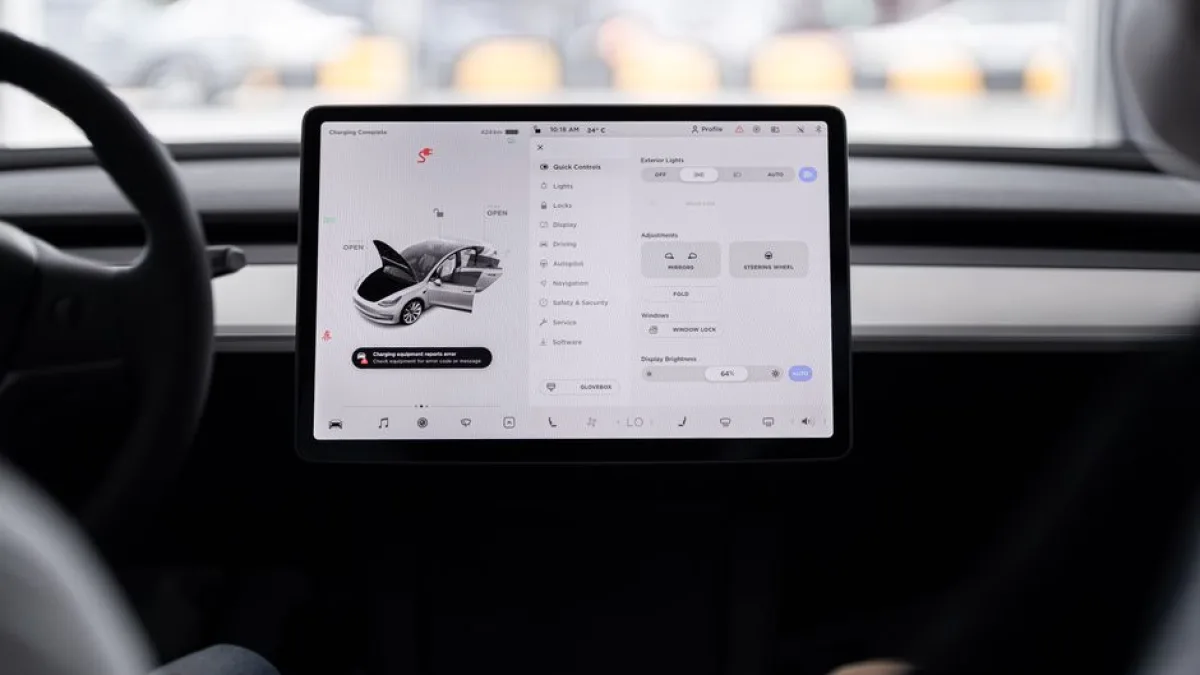
Cloud based freight forwarding software is transforming how professionals approach customs compliance. By providing a single source of truth for global operations, these platforms enable teams to manage complex regulatory requirements without the overhead of maintaining legacy systems or outdated processes.
- Unified Data Access: Centralizing information in the cloud ensures that everyone has access to the latest data. This eliminates version control issues that lead to dangerous compliance mistakes.
- Automated Regulatory Updates: Modern software platforms automatically push updates regarding changes in customs laws. Your team remains informed without needing to monitor dozens of government websites daily.
- Enhanced Data Security: Cloud providers offer advanced encryption and security measures that outperform traditional physical storage. Protecting sensitive customs information is essential for maintaining client trust globally.
- Scalable Processing Power: As your logistics business grows, your compliance tools can handle larger volumes of data seamlessly. Scalability ensures that your operations remain efficient and compliant.
- Enhanced Reporting Features: Generate detailed compliance reports at the click of a button to impress your stakeholders. Data driven insights help identify trends and improve your strategy.
Cloud technology is more than a convenience; it is an essential tool for the modern freight forwarder aiming to achieve excellence. By consolidating your compliance tasks into a single platform, you increase productivity and reduce the risks associated with information silos. Emphasizing digital transformation today positions your business to handle the demands of tomorrow while maintaining the highest levels of global trade compliance.
Conclusion

Maintaining high standards of customs compliance is a continuous process that requires vigilance, the right tools, and a commitment to accuracy. By integrating digital solutions and adopting proactive risk management, your freight forwarding business can overcome complex regulatory challenges with ease. Start optimizing your customs workflows today to ensure your cargo moves efficiently and securely across every border in our interconnected global market.