Mastering Customs Compliance in Modern Global Logistics
Friday, September 11 2026
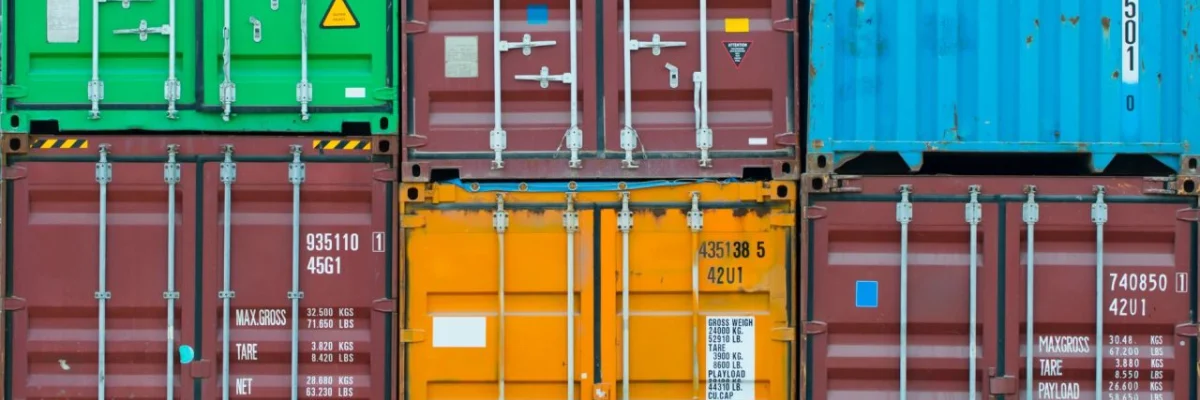
Navigating the complex landscape of international trade regulations requires more than just diligence; it demands a robust strategy to ensure seamless border crossings and operational excellence. As customs authorities globally implement stricter digital reporting requirements, freight forwarders must adapt their internal workflows to maintain accuracy and avoid costly delays. Compliance is no longer a peripheral task but a core component of sustainable supply chain management. By leveraging technology and staying informed on regulatory shifts, logistics providers can transform their customs processes from potential bottlenecks into competitive advantages that provide value to clients and ensure long-term industry viability.
Digitizing Documentation Processes
Transitioning from paper-based systems to digital platforms is critical for modernizing compliance operations. Automated documentation workflows reduce the risks of human error and significantly improve the speed at which customs brokers can process declarations for a wide range of global shipments.
- Real-time data entry: Centralized cloud platforms allow teams to input shipment data directly, ensuring that all stakeholders have access to the same information while minimizing duplicate entry errors during documentation.
- Automated error detection: Advanced software tools scan documents for missing fields or inconsistencies before submission, preventing costly rejections from customs authorities that often lead to significant port congestion.
- Secure document storage: Keeping records in encrypted cloud environments ensures that sensitive trade documents are protected against breaches while remaining easily accessible for audits by relevant government agencies.
- Standardized data templates: Implementing uniform templates for repetitive customs forms streamlines the workload for operations staff, allowing them to focus on complex exceptions rather than standard manual documentation.
- Cloud-based collaboration: Modern platforms enable seamless communication between freight forwarders and customs brokers, ensuring that updates reach all parties instantly to keep the cargo moving without interruption.
Adopting digital solutions allows firms to scale their operations without increasing headcount proportionally. By automating routine administrative tasks, forwarders gain more control over their data integrity and audit readiness. This transition minimizes the reliance on outdated manual filing methods, reducing the likelihood of missed deadlines and penalties. Ultimately, investing in digital infrastructure serves as the foundation for maintaining a high level of operational efficiency today.
Navigating Evolving Trade Regulations
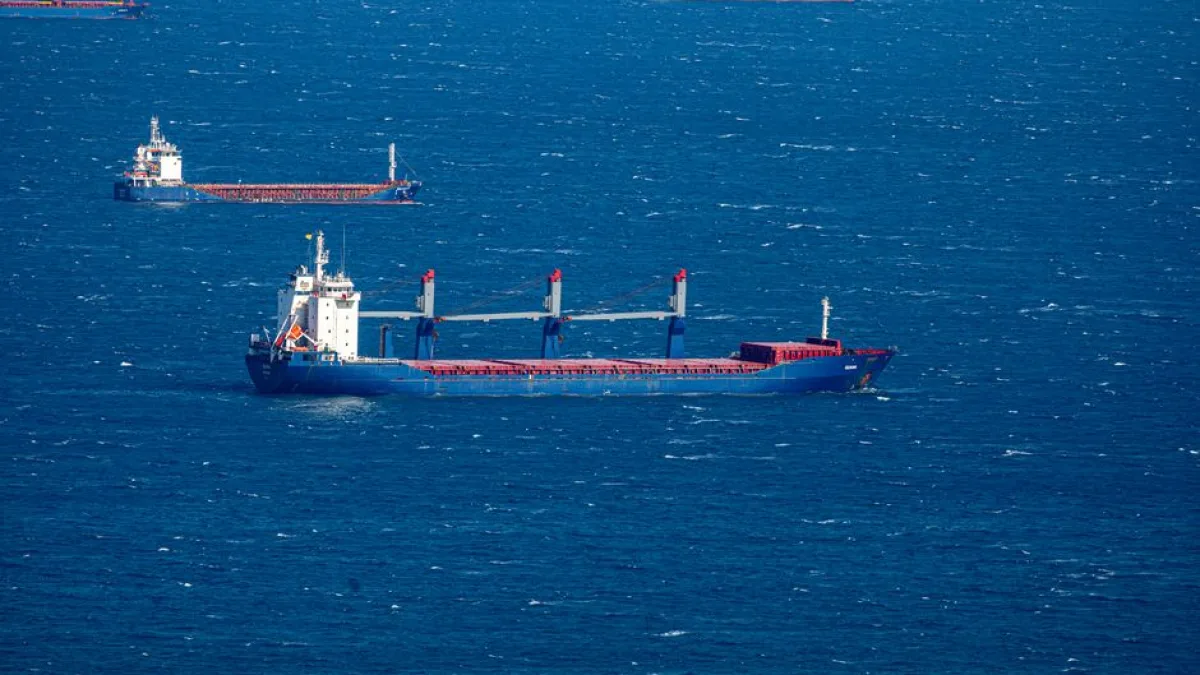
Global trade policies shift rapidly as countries implement new tariffs and security protocols. Forwarders must remain agile by integrating real-time regulatory updates into their daily workflows to ensure that every shipment adheres to current international laws and regional trade requirements.
- Regulatory alert systems: Automated notifications provide instant updates on changes to import and export laws, allowing logistics managers to adjust their operational strategies before shipments depart from their origin.
- HS code accuracy: Using integrated databases to verify Harmonized System codes ensures that taxes and duties are calculated correctly, preventing disputes with customs officials regarding cargo classification errors.
- Country-specific compliance modules: Specialized software features allow forwarders to manage specific requirements for different jurisdictions, ensuring that every shipment meets the unique legal demands of the destination country.
- Duty drawback optimization: Smart platforms help identify opportunities for duty refunds by tracking eligibility criteria across various shipping lanes, adding significant value for clients focused on cost savings.
- Audit readiness preparation: Maintaining organized, chronological records of all regulatory changes and applied standards ensures that your company is prepared for unexpected inspections by national authorities at any time.
Proactive monitoring of global trade policy is essential for maintaining smooth operations and mitigating risk. When forwarders stay ahead of legislative updates, they provide a higher quality of service to their clients by avoiding surprise costs and shipment seizures. Integrating these insights into the core of your software environment ensures that compliance is a standard part of every shipment lifecycle moving forward.
Enhancing Supply Chain Transparency

Transparency remains the cornerstone of successful logistics management, especially when managing customs protocols. Providing stakeholders with clear visibility into the status of their cargo creates trust and allows for better planning during every phase of the international shipping process.
- End-to-end shipment tracking: Detailed visibility tools allow forwarders and their clients to monitor the exact location of cargo, providing updates on status changes directly related to customs clearance milestones.
- Stakeholder notification triggers: Automated status alerts ensure that everyone involved in the supply chain receives timely notifications regarding the progress of documents and cargo release, enhancing overall communication.
- Historical performance metrics: Analyzing past shipping performance helps teams identify bottlenecks in the customs process, enabling them to make data-driven decisions that improve efficiency for future international trade orders.
- Accessible audit logs: Detailed logs of every change made to a shipment record ensure total accountability and transparency, which is vital when verifying data for external compliance audits.
- Customized client dashboards: Providing clients with their own view of the shipping process fosters confidence and reduces the frequency of inquiry emails sent to your operations team.
Transparency is no longer just a luxury but an expectation in today's market. By opening channels of information, forwarders can proactively address issues before they escalate into major problems for their customers. This openness not only improves the client experience but also streamlines internal workflows by reducing the burden of manual status inquiries and ensuring that everyone is aligned on the status of cargo.
Staff Training and Best Practices

The human element remains just as vital as the software itself. Regular training programs are necessary to ensure that employees understand the latest compliance protocols and can effectively utilize the digital tools designed to support their complex daily customs operations.
- Continuous education programs: Regular workshops and online courses keep your staff informed about the latest trends in global trade, customs requirements, and the specific use of software.
- Standard operating procedures: Developing clear, written documentation for internal processes ensures that all team members follow the same high standards, reducing variability in the quality of work.
- Mentorship and knowledge sharing: Establishing a culture of continuous learning encourages senior staff to share their expertise with junior team members, preserving critical institutional knowledge across the company.
- Soft skills development: Training employees in effective communication and problem-solving helps them navigate difficult conversations with customs officials or clients when issues arise during the clearance process.
- Routine performance evaluations: Regular feedback loops based on operational data help identify knowledge gaps, allowing you to provide targeted training sessions that resolve specific team challenges quickly.
Empowered and well-trained teams are the best defense against compliance errors. When staff members possess a deep understanding of both technology and regulation, they can handle complex customs situations with confidence and precision. Investing in your people creates a resilient workforce capable of adapting to the rapid changes inherent in international logistics, ultimately leading to higher retention rates and better overall business performance.
Conclusion
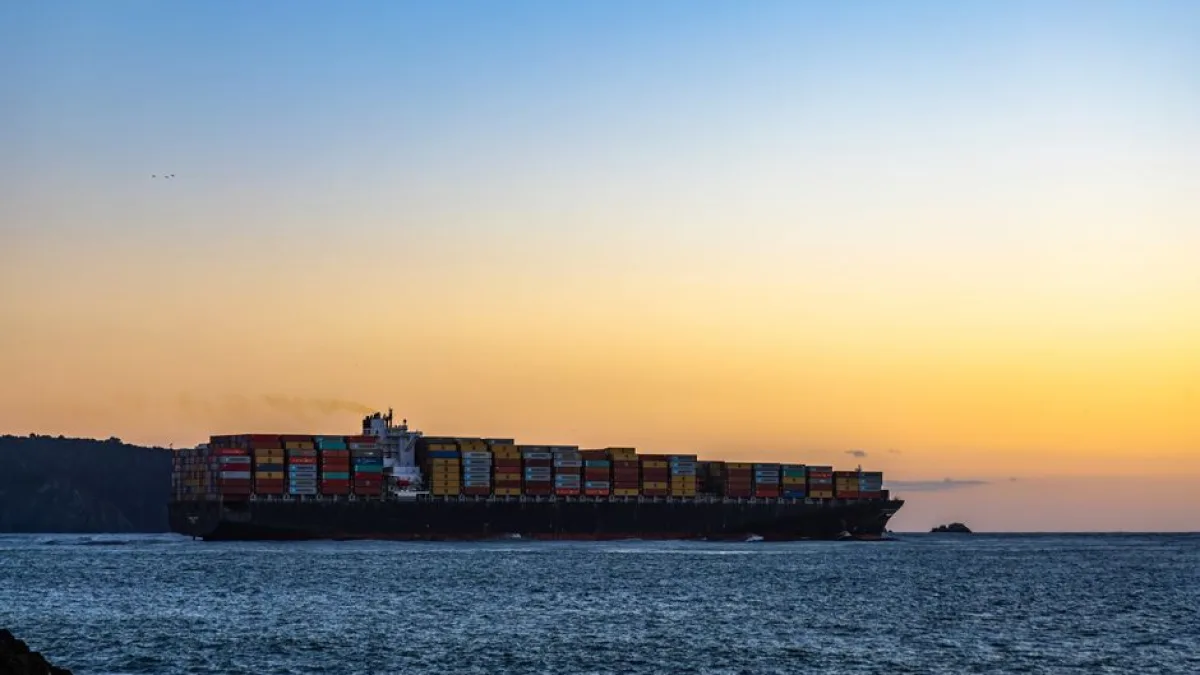
Mastering customs compliance is an ongoing effort that requires the right balance of digital technology and expert human oversight. By prioritizing accurate documentation, staying informed on global policy changes, and investing in continuous staff education, forwarders can minimize risks and improve service levels. MakeCargo helps streamline these complex processes, ensuring that your operations remain efficient, compliant, and ready for future global logistics challenges.