Mastering Customs Compliance in Modern Global Logistics
Friday, October 2 2026
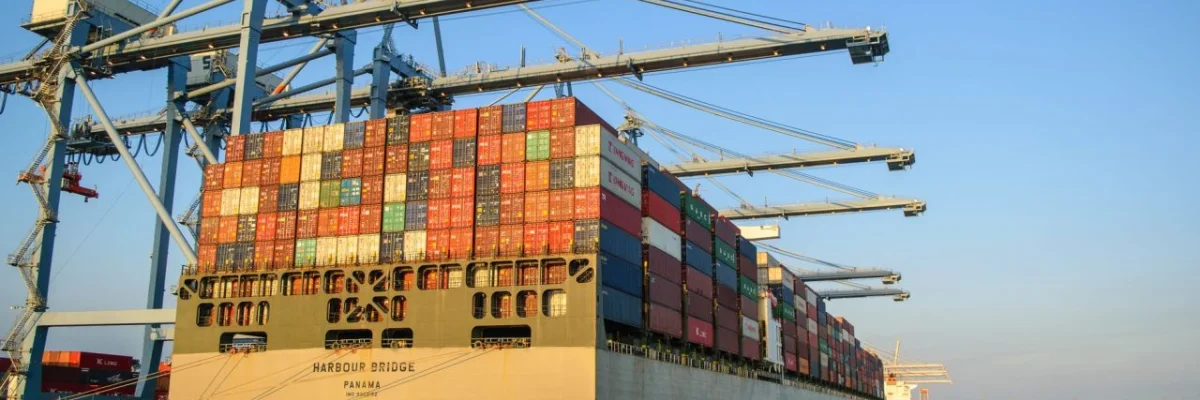
Navigating the complex landscape of international trade regulations requires precision, foresight, and a robust technological foundation. Freight forwarders often face the daunting task of managing shifting customs requirements, intricate tariff structures, and strict security mandates across multiple borders. Failure to maintain compliance can lead to costly delays, heavy financial penalties, and damaged professional reputations. As global supply chains become more interconnected, adopting intelligent software solutions that automate data accuracy and facilitate real-time communication with customs authorities is no longer optional. This guide outlines essential strategies to streamline your compliance efforts, protect your cargo operations, and foster long-term growth in the competitive logistics industry.
Understanding Regulatory Compliance Frameworks

The foundation of effective compliance rests on a deep understanding of ever-changing international trade frameworks. Staying updated on regional mandates, import restrictions, and duty classifications ensures your shipments move through borders without unnecessary interruptions or expensive legal friction during the clearance process.
- Regulatory Data Accuracy: Maintaining highly accurate master data for all commodities is the first line of defense against costly customs delays and frequent administrative errors during border inspections.
- Harmonized Tariff Codes: Implementing precise classification of goods using updated HTS codes prevents overpayment of duties and ensures strict adherence to the latest international trade commodity regulations.
- Global Security Standards: Aligning your operations with international security programs like AEO or C-TPAT status builds trust with customs authorities and grants you priority clearance advantages.
- Automated Compliance Audits: Utilizing modern digital auditing tools allows your team to regularly review historical shipment records, identifying potential vulnerabilities before they trigger significant penalties or investigations.
- Regulatory Change Alerts: Subscribing to automated notification services helps your firm stay informed about sudden legislative shifts, enabling proactive adjustments to your documentation and clearance workflows.
Proactive management of these regulatory frameworks is vital for long-term stability in the logistics sector. By prioritizing accuracy and investing in reliable automated systems, you effectively minimize operational risks while simultaneously improving your overall service speed. Establishing these core habits early will allow your team to handle complex shipments with confidence and maintain a superior level of performance that keeps your logistics clients satisfied.
Streamlining Documentation and Data Flow

Efficient data management is the heartbeat of international trade. Moving away from manual, paper-based processes toward centralized cloud systems enables seamless information exchange between stakeholders, reducing the high probability of human error in critical customs declarations and shipping manifests.
- Electronic Document Management: Shifting to a centralized cloud platform eliminates paper waste and provides authorized stakeholders with instant access to essential shipping manifests and invoices.
- Integrated Workflow Automation: Linking your internal software directly with customs portals reduces repetitive data entry tasks and speeds up the filing process for export documentation.
- Standardized Data Entry: Implementing strict verification protocols during the input phase ensures that all shipping data remains consistent and compliant with international shipping standards.
- Secure Cloud Storage: Protecting sensitive client trade information with robust encryption protocols is essential for maintaining trust and meeting international data privacy requirements today.
- Real-time Visibility Tools: Deploying tracking software allows forwarders to monitor the status of customs clearance milestones, ensuring that any exceptions are addressed immediately by staff.
When you optimize your documentation flow, you unlock hidden efficiencies that save your team hours of administrative labor every week. Replacing manual intervention with automated data validation protects your profit margins and enhances overall shipment transparency. Your ability to provide accurate status updates at a moment's notice positions your freight forwarding firm as a reliable and high-performing partner in the global supply chain.
Managing Tariff Structures and Duty Optimization
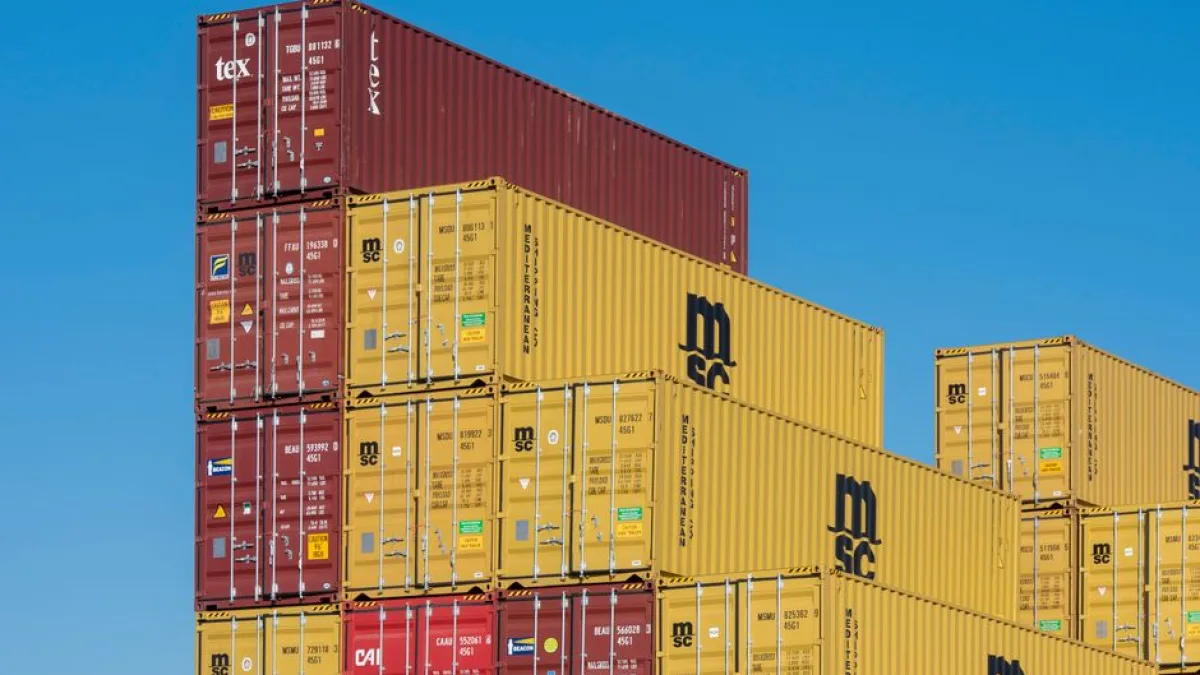
Optimizing duty payments and tariff navigation requires a sophisticated approach to logistics management. Strategic classification and the use of specialized trade agreements can significantly reduce overhead costs for your clients while keeping your shipments strictly within the bounds of international trade law.
- Strategic Duty Planning: Analyzing specific country of origin rules allows your firm to leverage existing free trade agreements that legally minimize the tax burden for clients.
- Advanced Classification Audits: Regularly reviewing the classification of goods ensures that you remain eligible for preferential duty rates while avoiding misclassification and related financial penalties.
- Bonded Warehouse Usage: Storing goods in authorized bonded facilities allows for the deferral of duty payments until the final destination is determined or the item sells.
- Duty Drawback Programs: Identifying opportunities to reclaim duties on imported goods that are later exported again can provide your clients with significant and measurable cost savings.
- Expert Classification Support: Engaging with experienced customs brokers helps your firm navigate the nuanced categories of complex machinery or sensitive chemical goods with total certainty.
Optimizing duty structures is not just about cost savings, it is about providing strategic value that separates your business from competitors. When you consistently demonstrate the ability to manage complex tariff scenarios with ease, you become a trusted advisor rather than just another service provider. This proactive stance ensures your clients remain competitive, secure, and financially healthy in volatile international markets.
Enhancing Stakeholder Communication and Transparency

Clear communication between forwarders, customs agents, and shippers is essential for preventing bottlenecks. Establishing transparent workflows and utilizing shared digital platforms ensures that all parties remain informed, reducing misunderstandings that often cause customs holds and unnecessary delays at busy border crossings.
- Unified Communication Portals: Creating a single digital workspace for all stakeholders prevents information silos and ensures that everyone is viewing the same accurate shipment data.
- Automated Status Updates: Sending pre-programmed alerts to clients regarding customs status keeps them informed without requiring constant manual check-ins from your busy internal staff.
- Customs Broker Collaboration: Building strong partnerships with reliable customs brokers ensures that your clearance instructions are clear and that issues are resolved with minimal friction.
- Transparent Reporting Dashboards: Providing clients with access to live performance reports builds confidence and demonstrates your firm's ongoing commitment to high-level customs compliance standards.
- Problem Resolution Protocols: Designing clear internal escalation paths for customs issues ensures that complex roadblocks are resolved quickly by designated experts within your organization.
Communication is the bridge that connects logistical complexity with successful execution. By prioritizing transparency and using collaborative software, you eliminate the guesswork that causes stress for both your team and your valued clients. Building these strong, open channels will lead to smoother cargo processing, stronger client relationships, and a reputation for reliability that will help your forwarding firm continue to grow significantly.
Conclusion

Maintaining excellence in customs compliance is an ongoing journey that requires constant adaptation to global changes. By focusing on automated systems, accurate data management, and proactive communication, freight forwarders can effectively turn regulatory hurdles into competitive advantages. As technology continues to evolve, stay committed to refining your internal processes and building strong industry partnerships to ensure your logistics operations remain efficient, compliant, and ready for future global trade.