Mastering Customs Compliance in Modern Global Logistics
Monday, October 26 2026
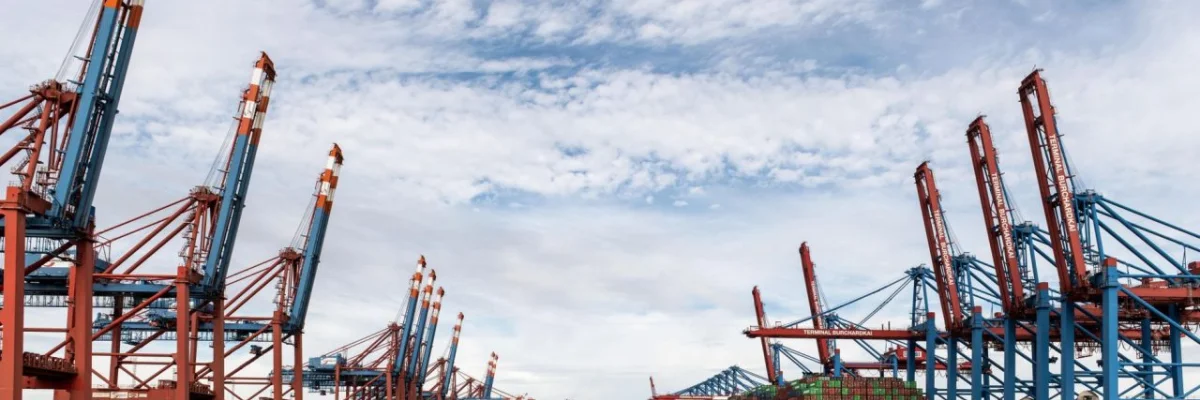
Global logistics professionals face an increasingly complex regulatory landscape where accuracy is paramount to avoiding costly delays. Customs compliance serves as the backbone of international trade, ensuring that goods move seamlessly across borders while adhering to rigorous legal standards. With shifting trade agreements and tightening security protocols, freight forwarders must leverage advanced digital tools to maintain transparency and efficiency. By prioritizing precise documentation and real time tracking, forwarders can mitigate risks associated with audits and penalties. Mastering these requirements not only protects the business from unforeseen disruptions but also builds lasting trust with clients who demand reliable supply chain performance.
Navigating Modern Regulatory Frameworks
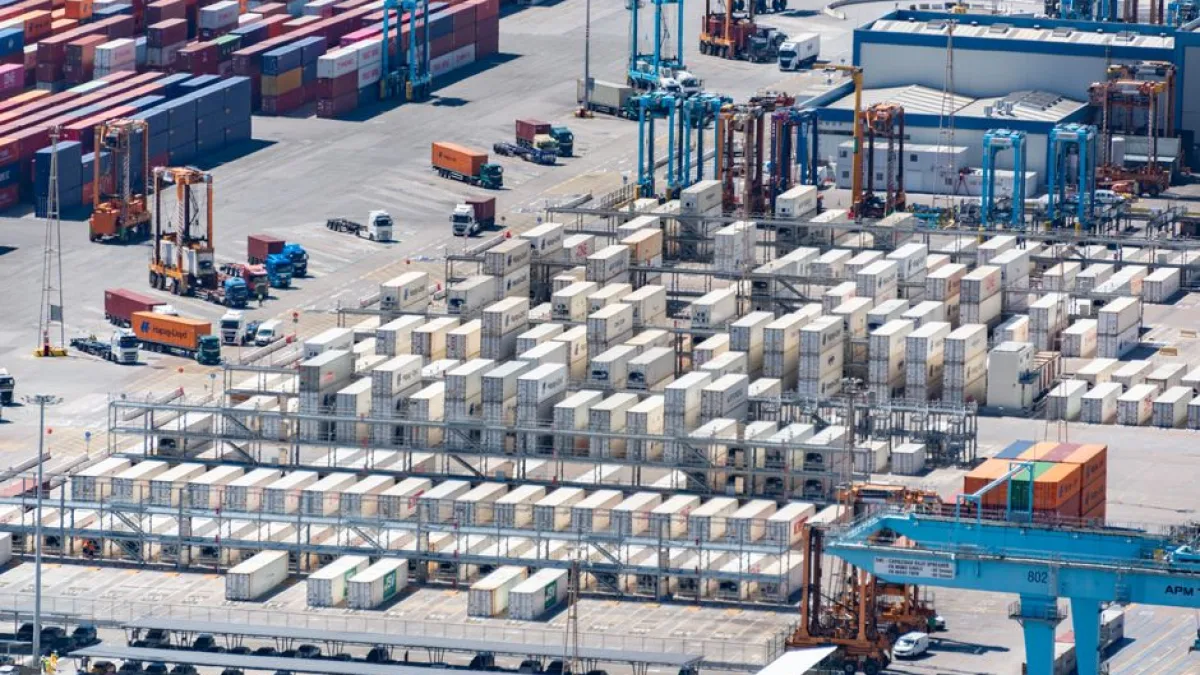
The rapid digitalization of trade lanes necessitates a proactive approach to customs documentation. Forwarders must now manage vast amounts of digital data to ensure that every shipment complies with the evolving requirements imposed by global regulatory authorities at international ports.
- Digital documentation standards: Adopting electronic data interchange formats allows for seamless communication between forwarders and customs agencies while significantly reducing the likelihood of manual entry errors during filing processes.
- Harmonized system classification: Accurate HS code assignment remains critical for determining duty rates and identifying potential trade restrictions that could delay your clients shipments at major border checkpoints.
- Updated trade agreements: Frequent changes in preferential trade deals require constant monitoring to ensure that your logistics operations take advantage of every available exemption for your partners.
- Sanction screening processes: Implementing automated software tools to verify entities against global watchlists protects your firm from illegal activities and ensures full alignment with current government mandates.
Staying ahead of regulatory shifts requires a firm commitment to ongoing education and technology adoption. Freight forwarding professionals who successfully automate their compliance workflows save significant time and reduce administrative burdens. By integrating these systems early, companies gain a competitive edge that allows them to focus on high-value logistics operations while maintaining full transparency across all complex international shipping lanes.
Optimizing Documentation Accuracy

Precise data entry minimizes the risk of inspection delays at the border. By centralizing documentation in a cloud platform, freight forwarders eliminate silos and ensure that every party involved has access to the correct and verified shipping information needed.
- Automated data validation: Advanced software platforms automatically detect inconsistencies in commercial invoices or packing lists to prevent submission errors that trigger manual audits by local customs officers.
- Centralized document storage: Keeping all vital shipping records in a secure cloud environment provides immediate access during random audits or inquiries from national border security agencies.
- Standardized data fields: Utilizing uniform input fields across your operations ensures that staff capture critical information consistently and avoid missing essential details during the shipment phase.
- Verification workflows: Implementing multi-level approval steps for all sensitive customs filings provides an extra layer of oversight that catches mistakes before files reach official customs portals.
Documentation remains the most critical aspect of international trade success. When records are accurate, customs clearance speeds increase dramatically, which results in faster turnaround times for shippers. Freight forwarding teams that prioritize clean data minimize friction at every stage of the transit process. This commitment to accuracy not only prevents fines but also enhances your company reputation for excellence in the market.
Leveraging Advanced Software Tools
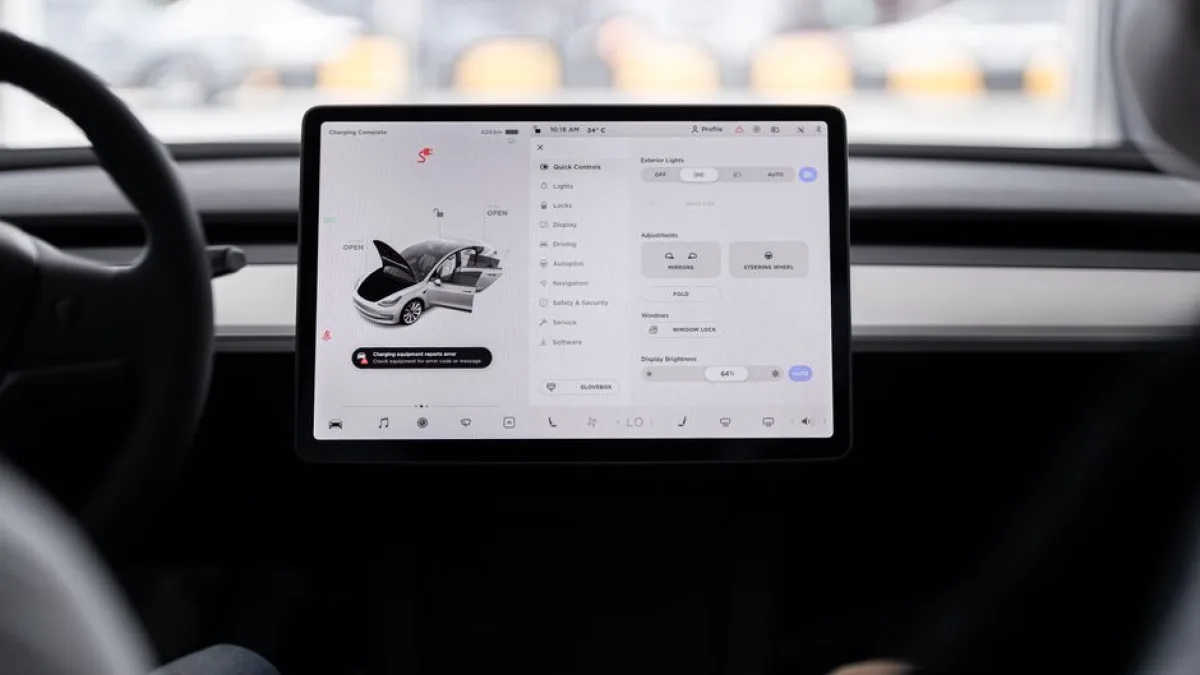
Modern technology platforms transform the way freight forwarders handle compliance duties. By leveraging cloud based software, teams can automate repetitive tasks and gain real time visibility into the status of shipments currently passing through global customs procedures.
- Integrated tracking modules: Connecting your internal workflow to carrier networks provides live updates on shipment status and clearance events to keep clients informed throughout the entire transit.
- Automated report generation: Generating compliance summaries with a single click allows for better internal auditing and helps managers identify bottlenecks in current customs clearance workflows effectively.
- Real time notifications: Instant alerts regarding document approval or inspection status allow your logistics team to take swift corrective action if an issue arises at customs.
- Role based access: Controlling data access permissions ensures that sensitive trade information remains secure while allowing authorized personnel to contribute to the compliance filing process efficiently.
Choosing the right technology partner is a vital strategic decision for any growing freight forwarding business. Software that integrates directly with customs systems reduces the need for manual work and decreases operational risk across the board. Companies that adopt these tools effectively find it much easier to scale their operations globally without compromising on the quality or speed of their services.
Building Stronger Trade Partnerships

Building strong relationships with both government authorities and commercial clients is essential for sustainable growth. When freight forwarders demonstrate a commitment to compliance, they gain status as trusted partners who facilitate secure and efficient international trade flows.
- Proactive communication channels: Maintaining open lines with customs brokers and officials helps resolve issues rapidly and fosters a collaborative environment that benefits every stakeholder in trade.
- Transparent client reporting: Providing regular compliance updates to shippers builds confidence and differentiates your logistics services from competitors who lack robust tracking or documentation capabilities.
- Expert consultation services: Offering proactive advice on trade laws positions your freight forwarding agency as a strategic advisor rather than just a simple service provider today.
- Supply chain security: Partnering with certified vendors and carriers who follow international security standards helps keep the entire global network safe from potential threats and disruptions.
Professional integrity remains the cornerstone of success within the freight forwarding industry. By maintaining high compliance standards, you attract high quality clients who value reliability and security above the lowest price. Strong trade partnerships rely on consistent performance and clear communication. When you prioritize these factors, your business becomes an indispensable partner in the global supply chain and achieves long term growth.
Conclusion

Maintaining rigorous customs compliance standards is no longer optional for successful freight forwarders. By embracing modern technology, ensuring documentation accuracy, and nurturing professional relationships, you can minimize risks and improve service levels significantly. Stay committed to continuous improvement to thrive in this demanding sector. Partner with reliable software platforms to streamline your operations and ensure that every shipment meets all required international regulations seamlessly.