Mastering Customs Compliance in Modern Global Trade
Thursday, August 6 2026
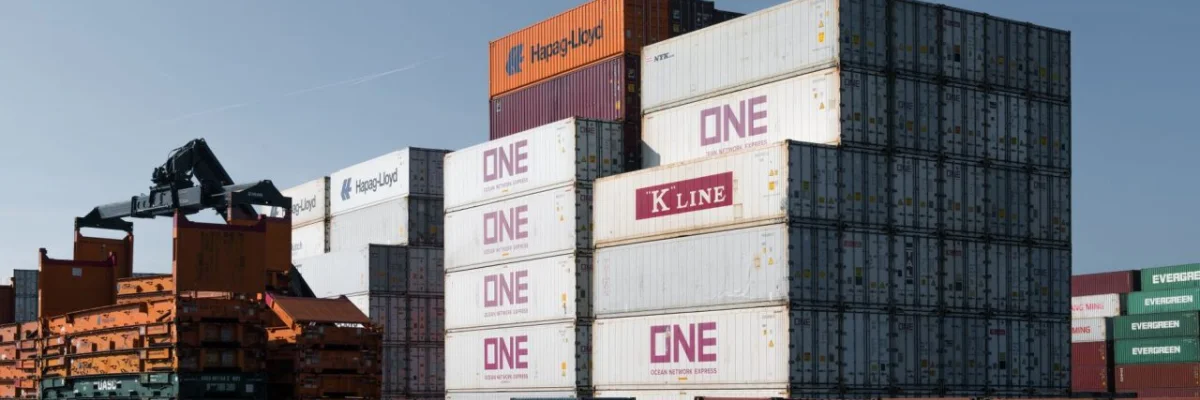
Navigating the complex landscape of international trade requires freight forwarders to maintain rigorous attention to customs compliance. As global regulations evolve and authorities increase scrutiny on cross-border shipments, the margin for error becomes razor thin. Failure to adhere to local import and export mandates can result in severe financial penalties, operational delays, and long-term damage to your professional reputation. By implementing automated digital tools, forwarders can better manage documentation, ensure accurate tariff classification, and foster transparent communication with customs agencies worldwide. Mastering these protocols is essential for protecting your clients and ensuring the seamless movement of goods across every border.
Understanding Regulatory Frameworks
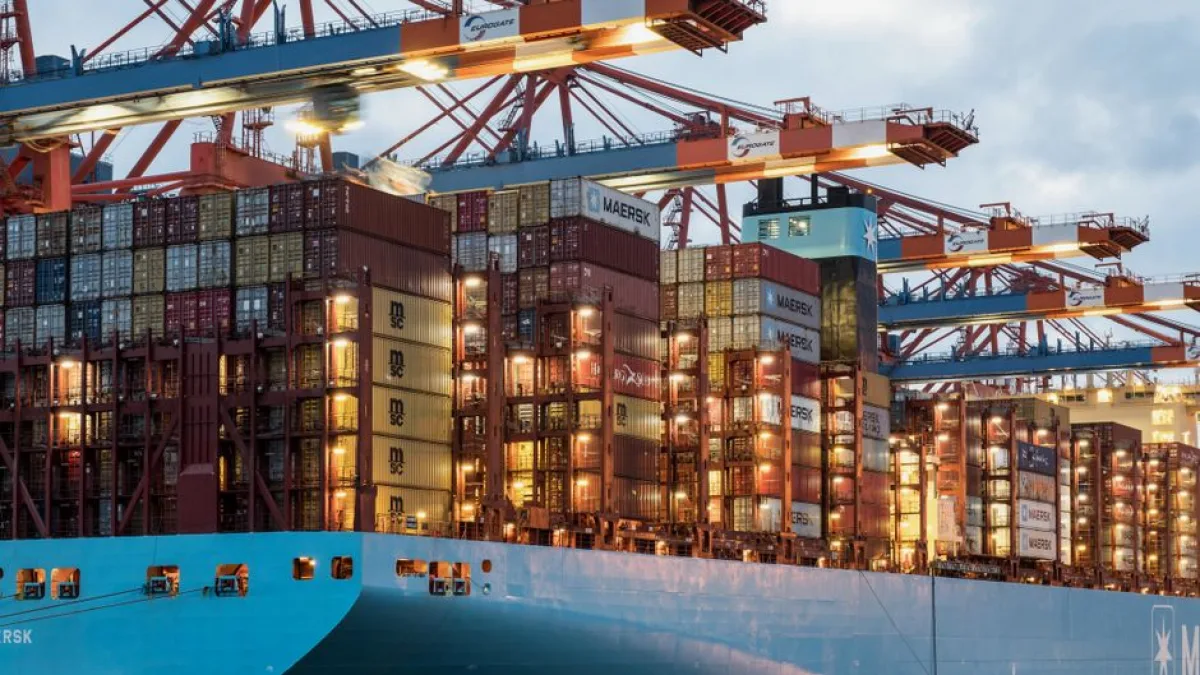
The foundation of effective trade lies in understanding shifting regulatory frameworks across international borders. Keeping pace with these changes requires dedicated vigilance and a proactive approach to research, ensuring that your team stays updated on the latest legal requirements and regional trade policies.
- Harmonized System Codes: Properly classifying goods using accurate HS codes prevents shipment delays and avoids unnecessary fines from customs officials who demand precise documentation for every single incoming cargo item.
- Preferential Trade Agreements: Leveraging existing trade deals can significantly reduce duty burdens for your clients while ensuring that all documentation meets the strict legal standards required for certificate eligibility.
- Export Control Laws: Managing restricted items requires deep knowledge of dual-use regulations and export bans to ensure that your firm never facilitates the movement of prohibited international shipments.
- Government Agency Requirements: Certain products necessitate additional clearances from health or agricultural departments, requiring forwarders to manage multi-layered compliance hurdles before the shipment reaches its final destination port.
Maintaining a strong grasp of these complex regulatory frameworks is the primary defense against unforeseen legal complications. By fostering a culture of compliance within your operations team, you ensure that every document is processed correctly the first time. This discipline reduces manual interventions and builds trust with your clients, positioning your logistics firm as a reliable partner in the global supply chain market.
The Role of Digital Automation

Digital transformation serves as the backbone of modern customs compliance by replacing slow, manual processes with integrated software solutions. By centralizing data and automating routine filings, forwarders can drastically minimize the risk of human error while improving overall shipment visibility.
- Automated Data Entry: Cloud-based platforms eliminate the need for redundant typing by pulling information directly from digital invoices, which dramatically reduces the chance of costly typographical errors during filing.
- Real-time Compliance Checks: Advanced systems automatically flag incomplete fields or missing documents before a filing is submitted, ensuring that your team catches discrepancies well before they trigger audits.
- Electronic Document Storage: Secure digital archives allow for instant retrieval of historical records, making it significantly easier to respond to customs inquiries during post-clearance audits or investigations.
- API Integrations: Linking your logistics software directly to customs portals facilitates faster submission cycles and provides immediate status updates regarding the clearance progress of every high-priority cargo unit.
Adopting robust software solutions allows forwarders to scale operations without sacrificing the accuracy of their customs declarations. When technology manages the heavy lifting of repetitive documentation, your expert team can focus on solving complex logistical challenges. This transition to digital-first compliance protects your bottom line and provides the speed that modern clients demand in an increasingly fast-paced global shipping environment today.
Managing Audit Trails Effectively
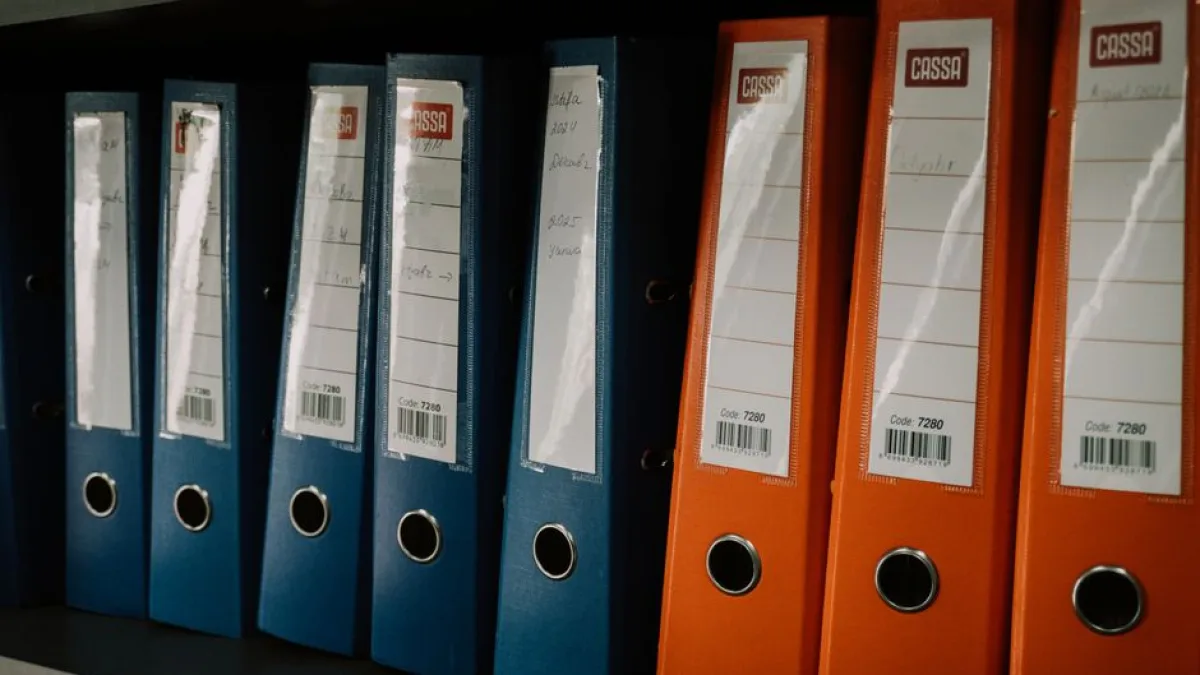
Effective audit trails are not just a best practice but a legal necessity for freight forwarders operating across multiple jurisdictions. Maintaining comprehensive records of all communication and documentation provides the necessary transparency to defend your company during unexpected government audits or internal reviews.
- Consistent Record Keeping: Standardizing how you store bills of lading and commercial invoices ensures that your firm can produce any requested file within minutes of a request.
- Version Control Protocols: Implementing strict controls prevents staff from using outdated document templates, ensuring that every submission reflects the most current regulatory requirements requested by regional customs authorities.
- Communication Logging: Documenting every interaction with customs officers and clients provides a clear history of decisions made, which proves invaluable if disputes regarding duties or clearance arise.
- Periodic Internal Audits: Conducting regular checks of your own files helps identify weaknesses in your processes before authorities flag them, allowing you to proactively correct internal procedures.
A rigorous approach to audit trails acts as an insurance policy for your freight forwarding business. By organizing your digital history with precision, you create a defensible position that safeguards your reputation against potential investigations. Investing time in these administrative routines might seem daunting, but it remains the most effective way to ensure long-term stability and compliance in the international shipping industry.
Training Teams for Success

Human capital remains your greatest asset in the pursuit of absolute customs compliance excellence. Regularly training your staff on the latest industry standards and specific country regulations ensures that everyone is equipped to handle the unique challenges of their assigned trade routes.
- Compliance Workshop Sessions: Hosting recurring training seminars updates your staff on changes in international law, keeping the entire team aligned on current best practices for global document submission.
- Cross-departmental Knowledge Sharing: Encouraging communication between the sales and operations teams ensures that all parties understand the regulatory implications of the cargo they are currently moving for clients.
- Vendor Relationship Management: Educating your overseas partners on your specific compliance expectations minimizes friction and ensures that incoming documentation meets your high standards before reaching your office.
- Certification Programs: Supporting employees as they earn professional trade certifications boosts your company expertise and proves to your clients that you prioritize high-level industry training.
Investing in your personnel creates a resilient organization capable of navigating even the most difficult customs environments. When team members are well-informed and confident in their knowledge, they make better decisions that protect your company from regulatory risks. This focus on continuous education ensures that your freight forwarding business stays ahead of the curve in an industry that never stops moving forward.
Conclusion
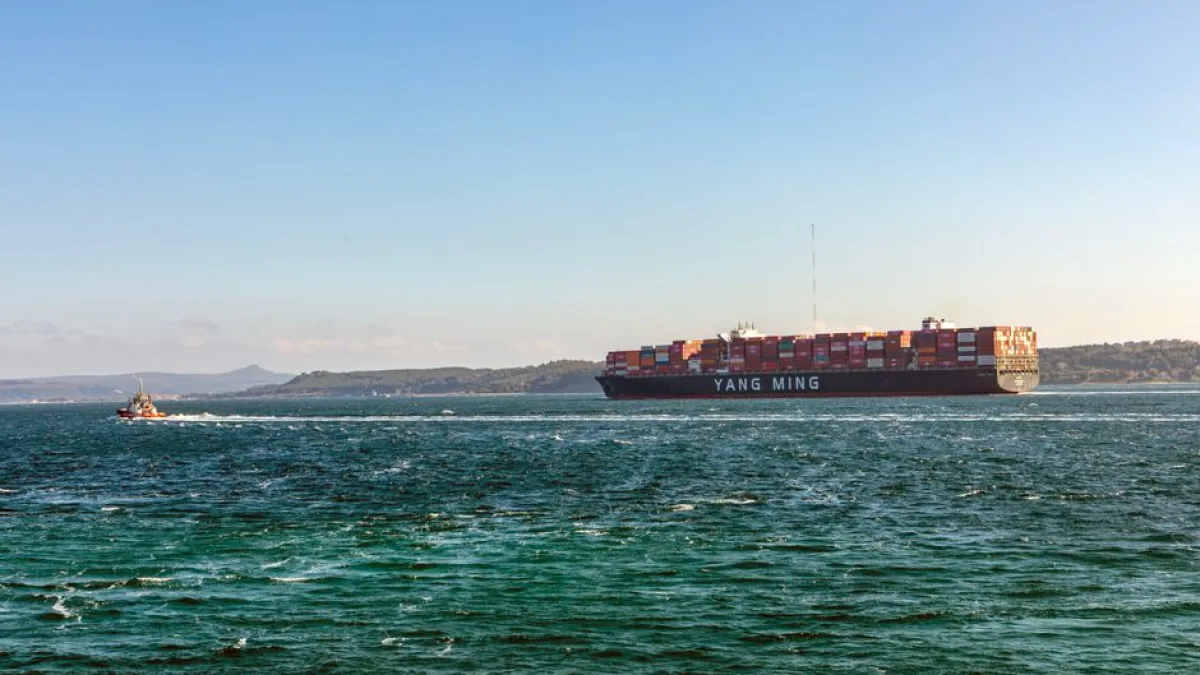
Strengthening your customs compliance strategy is vital for sustained success in the competitive freight forwarding sector. By utilizing automation, keeping detailed records, and investing in team development, you can navigate complex regulatory environments with total confidence. Start prioritizing these essential practices today to enhance your operational efficiency and provide your clients with the secure, reliable service they expect in the modern global trade landscape.