Mastering Customs Compliance in Modern Global Trade
Wednesday, August 19 2026
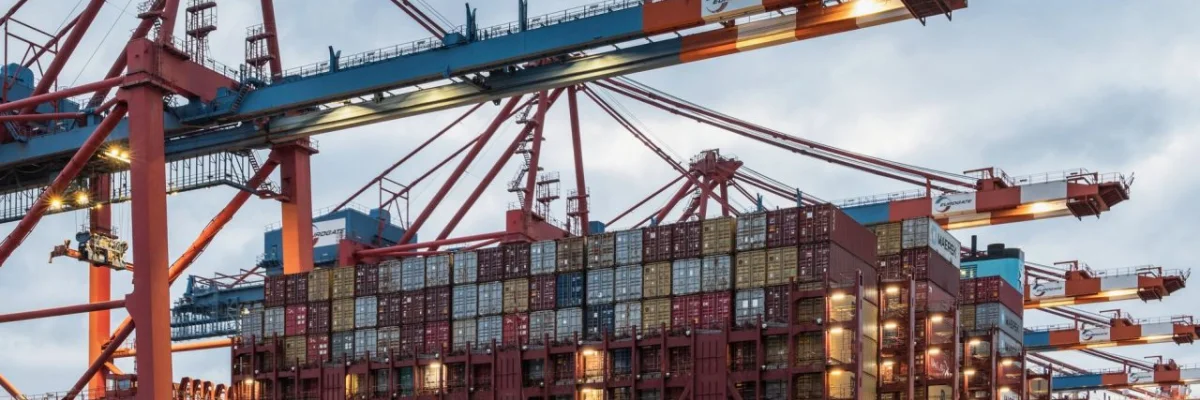
Navigating the complex landscape of international customs regulations remains a primary challenge for freight forwarders striving for efficiency. As global supply chains face increasing scrutiny from regulatory bodies, the ability to maintain rigorous compliance while accelerating shipment velocity is a critical competitive advantage. Digital transformation allows firms to shift from reactive manual processing to proactive automated auditing. By integrating sophisticated software solutions, forwarders can mitigate the risks of costly delays, penalties, and supply chain disruptions. This article explores how modern technology stacks and data-driven strategies empower your team to achieve seamless customs clearance, ensuring your operations remain both compliant and consistently ahead of the industry curve.
Automating Declarations with Precision
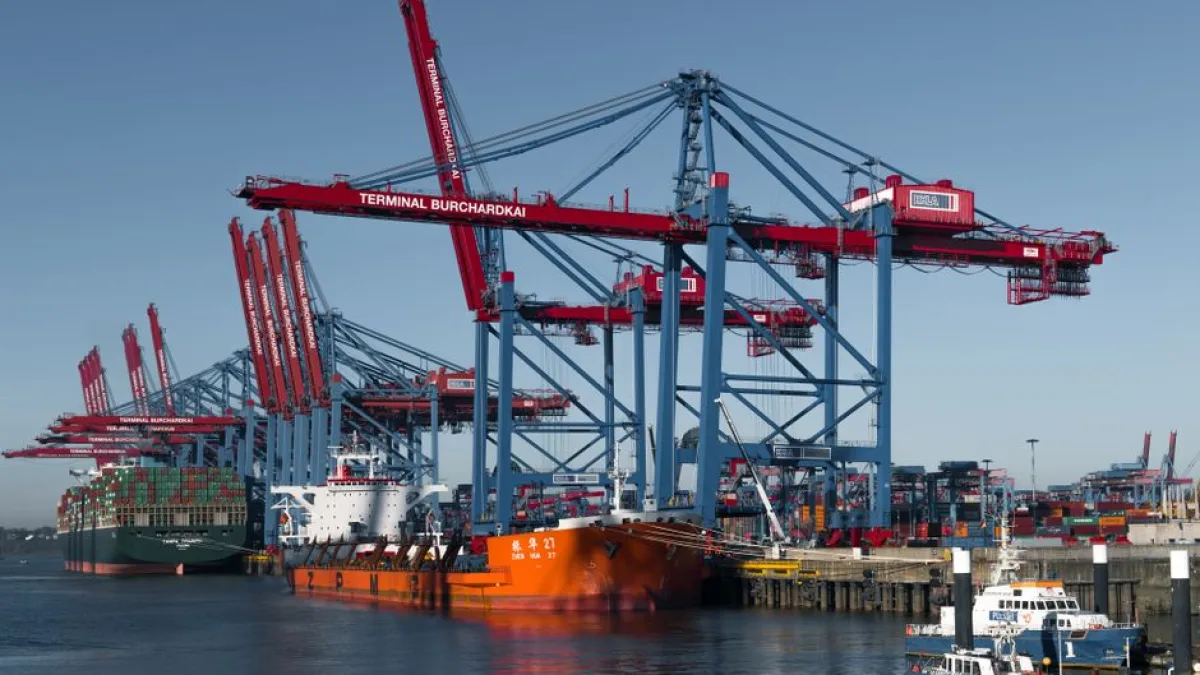
Digital automation transforms the traditional declaration process by minimizing human error and standardizing data entry across all your shipments. This technology creates a robust foundation for accuracy that manual workflows simply cannot match in today's high-speed global shipping environment.
- Data Integrity Standards: Standardized data fields ensure that every customs declaration is complete and accurate before submission. This approach drastically reduces the likelihood of rejections or lengthy government inspection delays.
- Automated Validation Rules: Smart software applies real-time validation checks against country-specific requirements to flag discrepancies instantly. These triggers allow your team to resolve issues before they escalate into compliance violations.
- Cloud Storage Accessibility: Centralized digital storage keeps all your documentation easily searchable and audit-ready at any time. This creates an environment where historical shipment data is readily available for reporting.
- Integration with Agencies: Direct connectivity between your platform and local customs portals streamlines the filing process significantly. Reducing manual intervention ensures that information flows securely and directly from your operations team.
Adopting automated declaration tools is essential for maintaining agility in an evolving regulatory climate. These systems act as a safeguard, protecting your brokerage from administrative fines while improving overall cycle times. By leveraging centralized data, your firm can provide clients with superior transparency and reliable delivery estimates, effectively turning compliance management into a strategic service offering that differentiates your brand from traditional logistics competitors.
Managing Evolving Tariff Landscapes
Tariff regulations fluctuate frequently, forcing forwarders to stay informed about changing trade agreements and tax rates. Proactive management of these variables is necessary to protect your clients from unexpected landing costs and potential supply chain bottlenecks during transit.
- Real-time Tariff Updates: Automated notification systems alert your team to sudden changes in import duties or tax regulations worldwide. Staying informed allows you to adjust pricing models and client guidance accordingly.
- HS Code Classification: Specialized software assists in determining the correct Harmonized System codes for diverse product catalogs. Accurate classification is the primary defense against overpayment of duties and potential audits.
- Trade Agreement Monitoring: Detailed tracking of free trade agreements helps identify opportunities for duty exemptions on specific routes. Utilizing these agreements correctly provides your clients with a tangible financial advantage.
- Duty Drawback Optimization: Effective tracking tools identify eligible shipments for duty refunds based on specific regulatory criteria. This capability adds significant value for importers dealing with complex global product flows.
Maintaining a pulse on global tariff changes requires more than just manual research in an era of rapid trade policy shifts. Forwarders who rely on automated intelligence are better positioned to advise customers on strategic sourcing and cost mitigation. By turning tax compliance into a predictable process, you build long-term trust with shippers who demand accuracy and fiscal foresight in their logistics partnerships.
Enhancing Risk Assessment Protocols

Risk mitigation strategies must evolve to counter sophisticated threats and changing regulatory oversight. Strengthening your internal compliance protocols ensures that every movement of goods adheres to international standards while shielding your organization from significant legal or financial exposure risks.
- Automated Restricted Screening: Comprehensive screening tools check all parties against global watchlists to ensure no sanctioned entities are involved. This critical step protects your firm from accidental regulatory breaches.
- Due Diligence Workflows: Standardized checklists guide your staff through the necessary verification steps for new shippers or complex high-risk routes. Consistent procedures minimize oversight and human error.
- Audit Trail Transparency: Detailed logging features track every change made to shipment documentation throughout the entire lifecycle. This creates an unalterable history that is invaluable during formal customs reviews.
- Predictive Risk Analytics: Data modeling helps identify high-risk shipment patterns before they trigger alarms with customs authorities. Early detection allows you to adjust documentation proactively to prevent border holds.
Robust risk management transforms compliance from a restrictive burden into a proactive operational pillar. By systematically assessing potential issues, your firm can prevent disruptions before they impact the bottom line. This level of diligence provides peace of mind to your clients and establishes your reputation as a safe, reliable partner, which is a vital asset in today's competitive and highly regulated logistics marketplace.
Building a Compliance-First Culture
Cultivating a culture of compliance involves training your team to view regulatory adherence as a core component of operational excellence. When every team member understands their role in the process, your entire organization gains resilience against common industry pitfalls.
- Continuous Training Modules: Regular educational updates on changing customs laws keep your staff informed and ready for new challenges. An educated team is your best defense against errors.
- Shared Knowledge Bases: Internal wikis and digital resources provide employees with quick access to vital compliance definitions and procedures. These tools bridge the gap between junior and senior staff.
- Cross-Departmental Collaboration: Integrating sales and operations ensures that compliance costs are accurately communicated to clients early in the bidding process. This transparency prevents friction during the shipping phase.
- Feedback Loop Integration: Encourage staff to report recurring documentation issues so that software workflows can be refined. Continuous improvement is the hallmark of a high-performing logistics business.
Investing in your human capital ensures that your technological investments yield the highest possible return. A team that values compliance is better equipped to handle complexities with confidence and efficiency. By fostering an environment where accuracy is prioritized, you elevate your company standards, improve employee retention, and deliver consistently high-quality results that satisfy both your clients and the governing customs authorities every day.
Conclusion
Mastering the complexities of customs and compliance is no longer an optional task but a necessity for forwarders aiming to scale in a global market. By embracing automation, staying ahead of tariff changes, and fostering a dedicated internal culture, you transform regulatory challenges into significant operational advantages. Implement these strategies today to secure your firm a future of streamlined, compliant, and highly efficient global logistics operations.