Mastering Customs Compliance in Modern Freight Forwarding
Saturday, July 25 2026
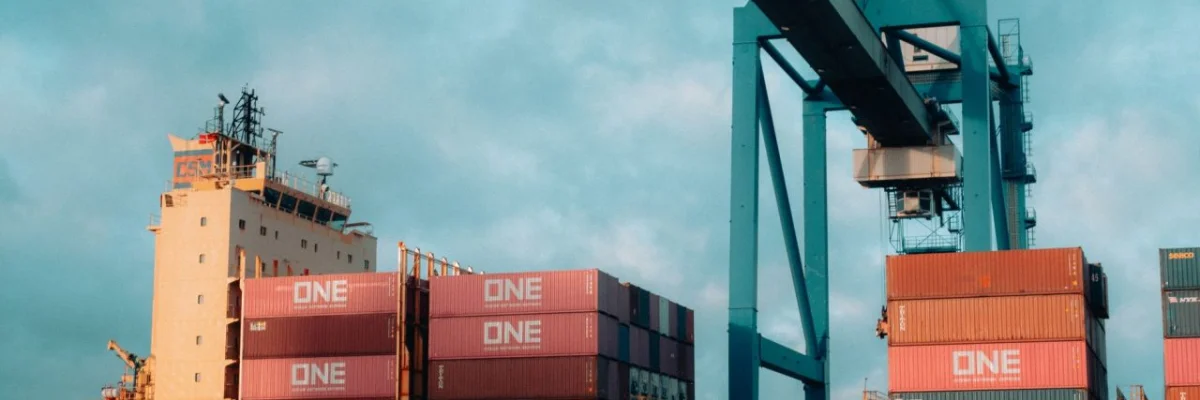
Navigating the complex landscape of global trade requires freight forwarders to remain vigilant regarding ever-changing customs regulations. As digital transformation reshapes the industry, professionals must leverage advanced technology to ensure precision in documentation and regulatory adherence. A single error in classification or a missing certificate can lead to significant delays, expensive fines, and long-term reputational damage. By prioritizing compliance, logistics providers protect their clients and streamline the entire movement of goods. Modern software solutions now offer the visibility necessary to manage these risks effectively, transforming customs management from a reactive burden into a strategic advantage for your logistics operation today.
The Critical Role of Data Accuracy

Accurate data entry serves as the foundation for successful customs clearance and regulatory reporting processes. When information is input correctly into your freight platform, the risk of inspection delays caused by clerical errors is drastically reduced for all stakeholders.
- Verify commercial invoices: Ensure that every invoice contains detailed item descriptions and correct valuations to prevent discrepancies that often trigger manual audits from local border authorities during processing.
- Standardize item classification: Use automated tools to assign consistent Harmonized System codes across all shipments, which helps maintain compliance and prevents costly tax overpayments for your clients.
- Digitize supporting documents: Move away from paper records by uploading digital copies of permits and certificates directly into your platform to ensure instant access during customs inquiries.
- Validate partner data: Require your carriers and suppliers to provide verified data sets early in the booking process to eliminate information gaps before the cargo arrives.
- Audit entry submissions: Perform regular reviews of your submitted declarations to identify recurring patterns of errors, allowing your team to fix systemic issues before they escalate further.
By implementing strict validation protocols, you eliminate the common pitfalls associated with manual data entry processes. Forwarders who prioritize high data integrity see fewer shipments held at ports and experience significantly faster clearance times. Investing in data accuracy tools not only safeguards your operations against potential penalties but also builds lasting trust with your clients by ensuring their goods move through customs without interruption.
Leveraging Automated Compliance Software

Modern cloud software enables forwarders to automate complex compliance workflows, reducing the human error inherent in traditional manual systems. These platforms integrate directly with customs agencies to provide real-time updates and seamless filing capabilities for global shipments.
- Automated regulatory updates: Receive instant notifications whenever customs laws or trade agreements change in the countries you serve, keeping your operational procedures current without manual research.
- Smart screening features: Utilize built-in tools to screen entities against international denied party lists, ensuring you never inadvertently conduct business with restricted organizations or sanctioned individuals.
- Centralized document portal: Keep all compliance records in a secure cloud repository where they remain protected from data loss while being accessible for future audits or inquiries.
- Real-time status tracking: Connect your platform to government portals to get live updates on the clearance status of your cargo, enabling proactive communication with your customers.
- Workflow rule enforcement: Set up internal system rules that prevent shipments from proceeding if essential compliance documentation is missing from the file, effectively blocking risky departures.
Adopting automated solutions is essential for forwarders managing high shipment volumes across multiple borders. By shifting these tasks to software, you free up your team to focus on high-value client services rather than administrative paperwork. This transition lowers the overall cost of compliance while simultaneously improving the consistency and reliability of your international logistics network throughout the entire fiscal year.
Strategies for Managing Trade Sanctions

Geopolitical tensions frequently lead to shifting international trade sanctions that impact where and how goods can be transported. Forwarders must actively monitor these restrictions to ensure total compliance while managing client expectations during periods of regional instability.
- Monitor trade policies: Stay informed about evolving embargoes and trade restrictions by subscribing to reliable government news feeds and industry alerts focused on global customs changes.
- Implement vendor screening: Run deep background checks on all new international partners and suppliers to ensure they comply with the trade regulations applicable to your business.
- Flag high risk origins: Create custom alerts for shipments originating from or destined for high-risk zones, forcing a manual review by your compliance officer before final approval.
- Document proof of origin: Maintain meticulous records regarding the true origin of goods to satisfy strict customs demands for verifying goods against current international trade sanctions.
- Client advisory services: Provide your customers with clear guidance on how regional trade policies might affect their supply chain strategies and overall risk management planning efforts.
Proactive management of trade sanctions protects your company from legal liability and strengthens your position as a knowledgeable industry expert. By providing your clients with accurate and timely advice regarding global political developments, you position your business as a partner rather than just a service provider. This approach minimizes the impact of unexpected sanctions on your clients and their essential supply chains.
Building a Compliance Culture

A truly effective compliance strategy relies on the ongoing training and education of every staff member within the freight forwarding organization. By fostering a culture that values regulatory adherence, you ensure that compliance is a shared responsibility rather than a siloed department task.
- Regular staff training: Conduct frequent workshops and training sessions that teach employees how to spot potential compliance red flags during the booking and documentation phases of shipping.
- Assign compliance officers: Designate specific leaders within your organization to oversee regulatory matters and act as the primary point of contact for complex customs questions or concerns.
- Encourage open reporting: Create a safe environment where staff members feel comfortable reporting potential compliance oversights or process failures without the fear of internal reprimand or penalty.
- Standard operating procedures: Develop and document clear, step-by-step procedures that guide employees through the compliance process to ensure uniform performance across all branches and local shipping offices.
- Incentivize careful performance: Recognize and reward employees who demonstrate exceptional attention to detail in their compliance tasks, reinforcing the importance of accuracy in daily shipping operations.
When every team member understands the critical importance of customs regulations, your business becomes significantly more resilient against external risks. This cultural shift reduces human error and ensures that your operations remain consistent even as the global trade environment grows more complex. Investing in your people today creates a foundation for long-term success and allows your company to handle even the most difficult customs challenges.
Conclusion
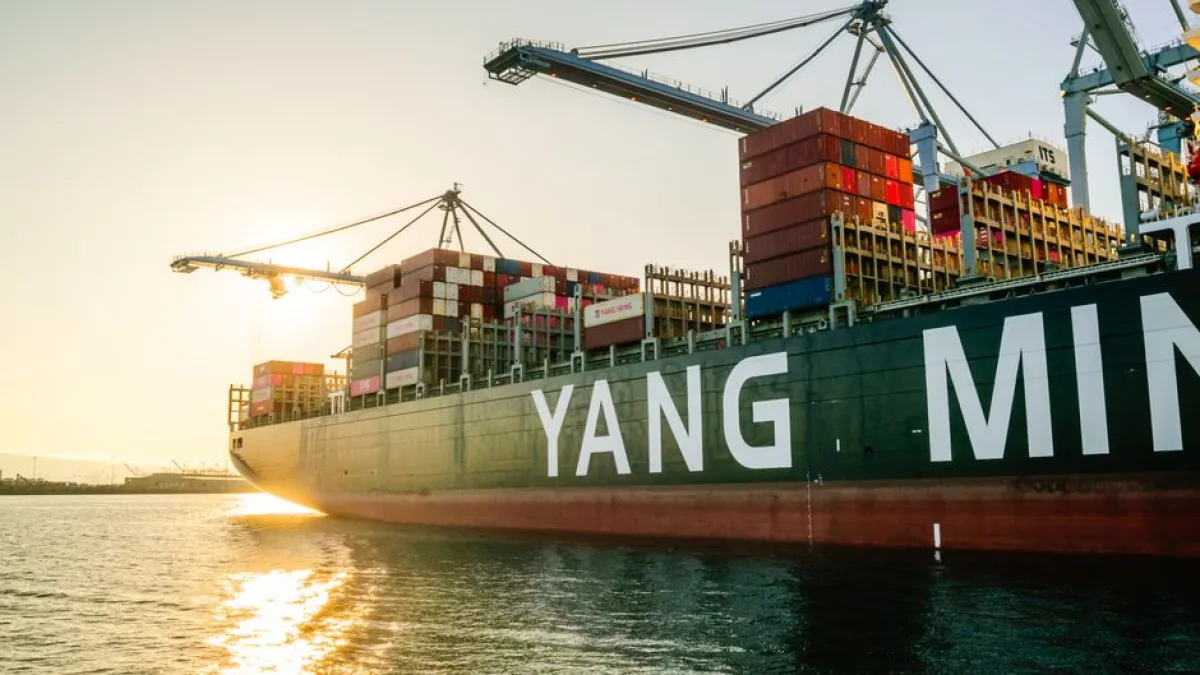
Maintaining rigorous customs compliance is the hallmark of a professional and reliable freight forwarder in the current global market. By combining accurate data management, smart automation, and a strong company culture, you can effectively navigate the complexities of international trade. Focus your efforts on these core areas to minimize risks, avoid expensive penalties, and deliver superior service to your valued clients every single day.