Mastering Customs Compliance in Modern Freight Forwarding
Saturday, August 8 2026

Navigating the complex landscape of global trade requires more than just logistics expertise. As freight forwarders, maintaining strict customs compliance is the backbone of your operations. With constantly shifting regulations, international sanctions, and evolving tariff structures, staying ahead is a monumental task. Errors in documentation can lead to severe delays, heavy fines, and a damaged reputation with clients. By leveraging cloud-based platforms like MakeCargo, you can centralize your regulatory processes, automate mandatory filings, and ensure that every shipment adheres to regional legal requirements, ultimately securing your supply chain efficiency and long-term business growth in an increasingly volatile market.
Automating Trade Documentation

Digitizing your documentation process is no longer optional for high-performing logistics teams. Automated systems reduce manual entry errors and ensure that every filing meets local government standards before the cargo leaves the port of origin or arrives at its destination.
- Data accuracy validation: Automated platforms perform real-time checks on shipping data to identify inconsistencies before filing, which minimizes the risk of audits and penalties from national customs agencies worldwide.
- Centralized document storage: Keeping all commercial invoices and packing lists in a single cloud repository ensures that your team can access vital records during inspections without delays.
- Standardized data templates: Uniform input fields across your entire organization prevent missing information and ensure that every entry complies with specific customs formatting requirements for different territories.
- Automated status updates: Real-time notifications alert your team immediately when customs status changes occur, allowing for proactive communication with clients and stakeholders regarding potential transit delays.
Adopting automated workflows transforms how your team handles administrative burdens. By removing the need for repetitive data entry, you allow your staff to focus on complex clearance issues that require human judgment. These digital tools serve as your primary defense against compliance violations while simultaneously boosting the overall speed of your operations. Investing in this technology today will protect your company from tomorrow's regulatory challenges.
Understanding Regional Compliance Standards

Each country enforces its own unique set of import and export regulations that frequently undergo changes. Maintaining a deep understanding of these regional requirements is essential for forwarders who want to avoid costly disruptions in their global shipping routes.
- Real-time regulatory updates: Integrated software solutions monitor changes in international trade law and provide instant alerts, ensuring that your company always applies the most current compliance rules.
- Sanction list screening: Automated screening against global denied party lists prevents your company from inadvertently engaging in business with prohibited entities, protecting your organization from legal liability.
- HS code classification: Utilizing digital tools for accurate Harmonized System code classification ensures that you pay the correct tariffs and avoid disputes with border authorities regarding cargo duties.
- Duty calculation precision: Reliable software accurately computes total landed costs, including all applicable taxes and fees, to provide your clients with transparent and error-free financial projections.
Mastering regional standards requires a commitment to continuous learning and technical integration. When your software handles the heavy lifting of tariff lookups and sanction screenings, you minimize the risk of human oversight. This high level of precision builds trust with your shipping partners and enhances your professional reputation, proving that your firm is capable of handling complex trade lanes with absolute regulatory confidence.
Mitigating Risks with Technology
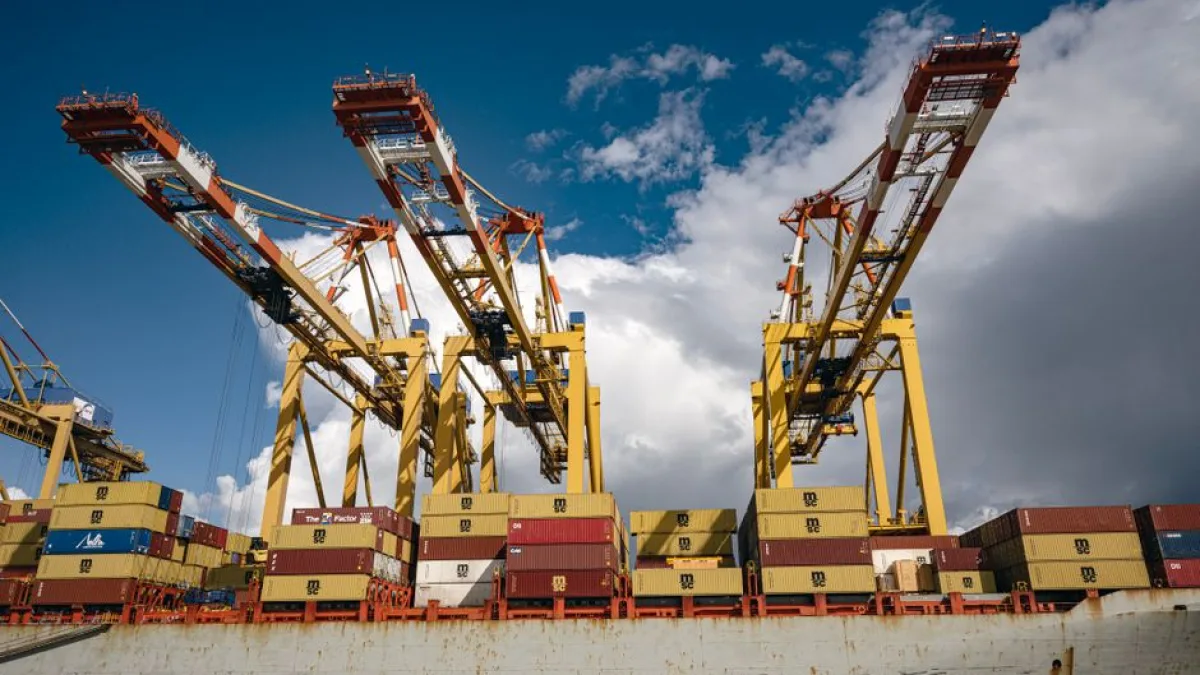
Risk mitigation is the core function of an efficient compliance strategy. In the modern freight environment, technology acts as a shield against potential security breaches, misfiled declarations, and operational inefficiencies that can derail your logistical success at any moment.
- Audit trail tracking: Maintaining a comprehensive log of every communication and document modification provides a clear path for internal reviews or external investigations by relevant trade authorities.
- Electronic filing security: Utilizing encrypted cloud platforms ensures that sensitive cargo information remains protected from cyber threats, maintaining confidentiality and safety during the electronic transmission of data.
- Exception management alerts: Proactive warnings notify your team about potential clearance issues, allowing for rapid intervention before a minor error escalates into a significant shipment hold or seizure.
- Interoperability of systems: Seamless integration between your forwarding software and customs portals reduces data friction, ensuring that information flows accurately and quickly between private and public entities.
Proactive risk management is the hallmark of a successful freight forwarding firm. By integrating security features into your daily operations, you protect both your company and your customers from unforeseen financial losses. These systems provide a buffer against regulatory changes, allowing you to scale your business while keeping compliance risks at a manageable level. Rely on data-driven insights to guide your strategic decisions.
Cultivating Compliance Culture

Building a culture of compliance starts within your own walls. When employees understand the importance of following regulatory guidelines, the entire organization benefits from reduced mistakes and a stronger commitment to ethical trade practices and standard operating procedures.
- Continuous staff training: Regular workshops keep your team informed about evolving customs laws and software features, ensuring that everyone remains proficient in maintaining the company compliance standards.
- Documented internal policies: Creating a clear repository of standard operating procedures helps employees navigate complex scenarios, fostering consistency and reducing the chance of individual human errors.
- Feedback loop mechanisms: Encouraging staff to report potential compliance bottlenecks allows management to refine processes and improve the software tools that the team uses on daily basis.
- Compliance officer support: Appointing internal experts to oversee regulatory adherence creates a sense of accountability and provides a resource for employees facing difficult questions regarding specific shipments.
A strong compliance culture acts as an intangible asset that improves operational reliability. By empowering your staff with both knowledge and the right digital tools, you create a resilient workplace that handles regulatory pressure with ease. This foundation of integrity not only prevents legal troubles but also enhances client loyalty, as they know their cargo is being handled by an expert and compliant team.
Conclusion

Achieving excellence in customs compliance requires a synthesis of modern technology and a dedicated team culture. By utilizing cloud-based tools like MakeCargo, forwarders can streamline their operations, minimize risks, and stay ahead of global regulatory shifts. Start prioritizing your compliance strategy today to ensure long-term stability for your logistics business. Reach out to our team to discover how our platform can support your growth.