Mastering Customs Compliance in Modern Freight Forwarding
Tuesday, August 11 2026
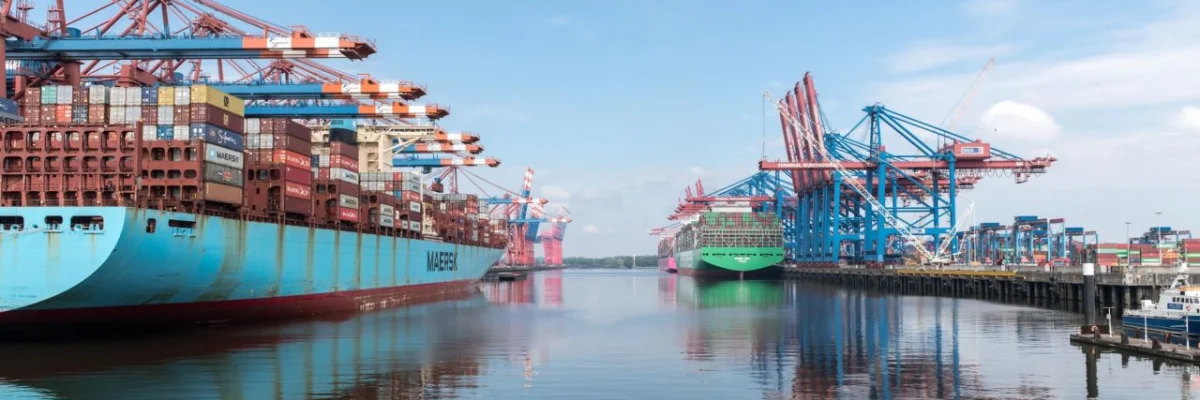
Navigating the complex landscape of global customs regulations remains one of the most significant challenges for freight forwarders today. As international trade policies shift and supply chains become increasingly digitized, staying compliant is no longer just about avoiding penalties but about building operational resilience. With authorities tightening oversight and requiring more granular data, logistics professionals must leverage technology to ensure accuracy and speed. This article explores how digital solutions and strategic oversight can transform your compliance workflow into a competitive advantage, ensuring your shipments move across borders without unnecessary delays or costly disruptions.
Automating Declaration Processes

Modern freight forwarding relies heavily on automated data entry to reduce human error during the declaration process. By integrating software that automatically validates codes against local customs databases, forwarders can ensure that every shipment meets the specific requirements of the destination country immediately.
- Real-time Data Validation: Digital tools cross-reference your submitted paperwork against live government tariff databases to catch inconsistencies before they cause a detention or a costly fine at the border.
- Standardized Electronic Filing: Automated systems convert raw shipping data into the specific formats required by customs agencies, ensuring that all filings are legible, accurate, and submitted within strict deadlines.
- Centralized Document Storage: Keeping all customs declarations, invoices, and certificates in a secure cloud environment simplifies internal auditing and prepares your business for any potential government trade reviews.
- Seamless API Integration: Connecting your freight software directly to port authority portals eliminates manual data re-entry, significantly accelerating the release of goods and reducing the risk of administrative errors.
Adopting these automated systems effectively removes the bottlenecks created by legacy paper-based workflows. By leveraging cloud-based platforms to handle your declarations, you minimize the chance of clerical errors that often trigger customs inspections. This technological transition allows your team to focus on high-level strategic tasks rather than administrative filing, ultimately leading to faster shipment processing times and improved customer satisfaction for your global clients.
Managing Harmonized System Codes
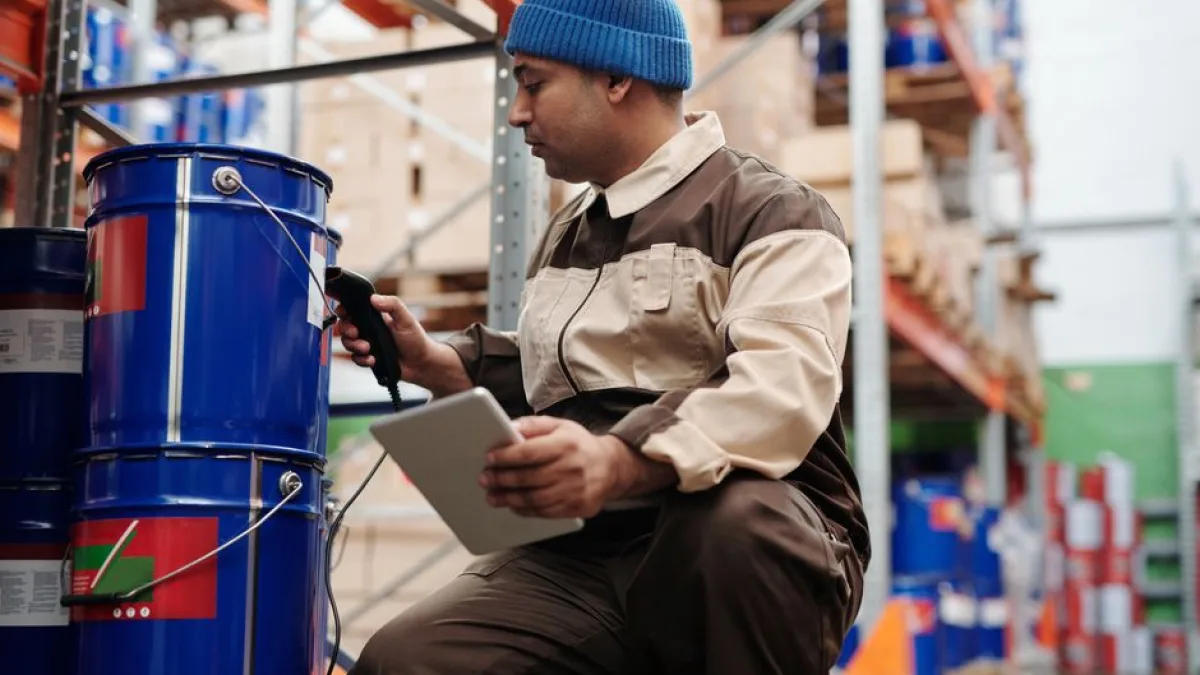
Accurate classification is the backbone of efficient customs clearance. Misclassifying goods can lead to incorrect duty payments, supply chain delays, and severe penalties. Using digital classification tools allows forwarders to maintain high levels of accuracy across diverse product categories and international markets.
- Global Database Access: Sophisticated software gives your team instant access to updated Harmonized System codes across multiple countries to ensure that every product is classified correctly for international trade.
- Smart Classification Engines: Artificial intelligence features suggest correct tariff codes based on previous shipment descriptions, helping staff avoid common classification mistakes and reducing the risk of costly disputes.
- Consistent Commodity Profiles: Standardizing how you describe goods across your entire organization ensures that all branches and departments use the same terminology when communicating with various customs authorities abroad.
- Automated Tariff Alerts: Receive proactive notifications when customs regulations or duty rates change for specific commodities, allowing you to update your documentation workflows before shipments face any potential issues.
Maintaining a disciplined approach to classification is vital for avoiding the hidden costs associated with non-compliance. When you standardize your commodity data through centralized software, you reduce the variability that often leads to border seizures or overpayment of duties. This structured methodology protects your margins and reinforces your company reputation, demonstrating to clients that your firm handles their cargo with maximum precision.
Enhancing Trade Security Standards

Trade compliance extends beyond basic paperwork and into the realm of global security. As a freight forwarder, proving that your supply chain is secure helps you qualify for preferred status programs and fast-tracked processing lanes, which provides a tangible advantage over competitors who lack these certifications.
- Supply Chain Transparency: Digital platforms enable full visibility into the entire movement of cargo, which is essential for proving to customs agencies that goods remain secure during transit.
- Verification of Partners: Use integrated screening tools to check your vendors and carriers against global restricted party lists, ensuring you never inadvertently trade with sanctioned entities.
- Audit Ready Reporting: Generate comprehensive reports at the click of a button to demonstrate that your security protocols align with international standards such as AEO or C-TPAT.
- Digital Chain Custody: Maintain an immutable record of every hand-off and storage point, ensuring that your compliance department can verify the integrity of the shipment at any moment.
Security is a fundamental component of modern customs compliance that dictates your relationship with regulatory bodies. By utilizing a platform that tracks every movement and ensures vendor compliance, you simplify the process of renewing your security certifications. This proactive stance on global trade security not only helps you bypass inspection queues but also instills significant confidence in your clients throughout the logistics chain.
Navigating Changing Trade Agreements
Free trade agreements constantly shift, changing duty rates and eligibility requirements for exporters. Forwarders must remain agile, utilizing technology that monitors these updates to provide clients with the most accurate advice on potential savings and compliance requirements in every market they serve.
- Dynamic Duty Calculation: Software tools automatically calculate potential duty savings based on current trade agreements, helping your clients optimize their supply chains for the most cost-effective routing possible.
- Rules of Origin Tracking: Systematize the collection and management of certificates of origin to prove that goods qualify for preferential duty rates, avoiding retroactive claims or fines from auditors.
- Compliance Monitoring Dashboards: Visualize your exposure to changing trade policies across different regions, allowing your team to pivot their operations in response to new tariffs or regulations.
- Client Advisory Tools: Use your digital platform to generate simple reports that explain how specific trade agreement changes impact your customers, positioning your firm as a strategic partner.
Remaining current with trade agreements is a heavy burden that requires the right digital infrastructure to manage successfully. By integrating dynamic tariff and agreement data into your daily operations, you turn a potential risk into a value-added service for your customers. This level of proactive management ensures that your clients always benefit from the most favorable trade conditions available within the current global landscape.
Conclusion

Mastering customs compliance is a continuous process that requires a mix of expert knowledge and robust digital tools. By automating your declarations, refining your classification methods, prioritizing supply chain security, and staying updated on trade agreements, you position your freight forwarding business for long-term success. Relying on advanced software platforms like MakeCargo allows you to simplify these complexities and deliver superior results to your clients.