Mastering Customs Compliance in Modern Freight Forwarding
Monday, August 24 2026
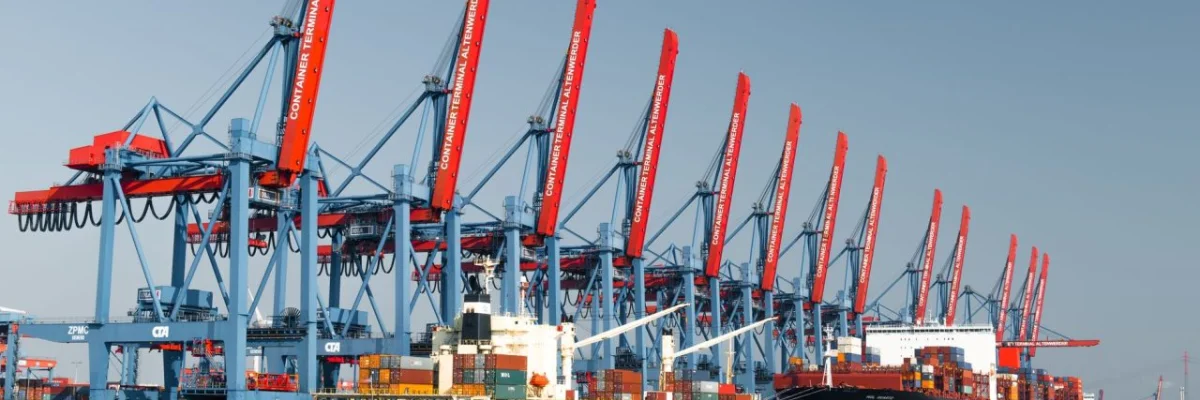
Navigating the complex landscape of global trade requires more than just logistics expertise. As freight forwarders, maintaining strict customs compliance is the backbone of operational success and client trust. With evolving regulations and increasing scrutiny from international authorities, firms must prioritize digital accuracy to avoid costly delays and severe penalties. Integrating smart software solutions allows forwarders to automate documentation, track tariff classifications, and ensure seamless cross-border transit. By adopting a proactive stance on compliance, businesses not only protect their reputation but also enhance the efficiency of their entire supply chain in a highly competitive global market environment.
The Digital Transformation of Customs

Transitioning from manual paperwork to cloud-based systems is no longer optional for modern forwarders. Digital tools streamline the flow of information, reducing human error and providing real-time visibility into the status of every shipment undergoing strict regulatory screening across international ports.
- Automated Data Entry: Cloud software captures essential shipment details automatically to ensure that every declaration aligns perfectly with the specific regulatory requirements dictated by various global customs authorities today.
- Real-time Tracking Updates: Digital dashboards provide constant monitoring of cargo status while keeping compliance teams informed about potential delays before they impact the final delivery schedules for customers.
- Centralized Document Storage: Keeping all critical trade documentation in one secure location allows for rapid retrieval during audits and reduces the risk of misplacing vital shipping records.
- Integrated Tariff Databases: Modern platforms include updated global tariff codes that update automatically to help forwarders categorize goods accurately and calculate duties without risking costly overpayments or fines.
Adopting digital solutions transforms compliance from a burdensome manual chore into a strategic advantage for your firm. By centralizing documentation and automating routine data processes, your team can focus on high-level decision making while the software manages the intricate details of trade law. This shift reduces the likelihood of human error and significantly accelerates the speed at which your freight passes through customs border control.
Understanding Global Tariff Classifications
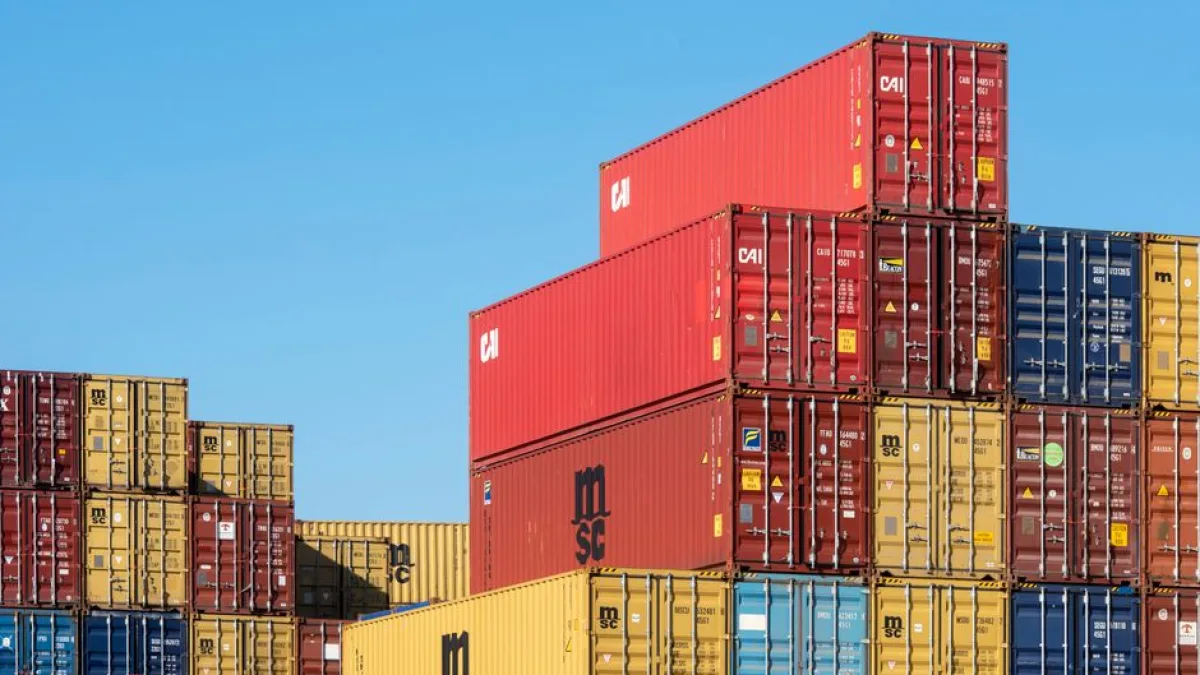
Accurate classification is the foundation of every compliant customs declaration. Improperly coded items can trigger aggressive audits and heavy financial penalties that disrupt your cash flow and damage your professional reputation with both clients and government regulatory bodies worldwide.
- Harmonized System Codes: Understanding the global standard for classifying goods is essential for ensuring that every item is taxed correctly when entering a foreign territory during transit.
- Consistent Code Auditing: Regular internal audits of your classification processes help catch recurring mistakes before they are flagged by customs officers during their routine physical cargo inspections.
- Specialist Training Programs: Investing in education for your staff ensures they stay updated on the nuanced changes to classification rules that occur frequently in the global market.
- Software Assistance Tools: Smart freight platforms provide built-in validation features that cross-reference item descriptions with international codes to ensure total accuracy for every single shipment handled.
Precise classification is not just a regulatory requirement but a vital component of successful international freight management. When you invest time and technology into mastering tariff codes, you prevent unnecessary disputes and ensure your shipments move across borders without interruption. Relying on intelligent software tools provides the extra layer of safety needed to maintain high standards of compliance in a complex global trade environment.
The Importance of Audit Readiness

Being prepared for a surprise audit is a hallmark of a professional freight forwarder. Maintaining a clear, digital trail of every communication and transaction ensures that your business remains resilient even when faced with unexpected inquiries from government customs enforcement agencies.
- Maintain Comprehensive Logs: Keeping detailed records of every shipment helps you demonstrate transparency and compliance whenever a regulatory body requests evidence regarding your specific handling and processes.
- Regular Internal Reviews: Conducting routine mock audits internally allows your team to identify potential weaknesses in current workflows before outside authorities decide to review your company performance.
- Documentation Retention Policies: Implementing a clear strategy for storing shipping documents for several years guarantees that you can provide necessary proof during long term historical investigations.
- Clear Communication Trails: Documenting every interaction with clients and carriers serves as a critical safety net that protects your firm if a dispute regarding customs duties arises.
Audit readiness is your strongest defense against the unpredictability of international customs inspections. By maintaining perfect digital records and conducting regular internal assessments, you demonstrate a clear commitment to regulatory excellence. This proactive approach not only satisfies legal requirements but also reinforces the trust that clients place in your services, ensuring long term partnerships and a solid reputation throughout the entire shipping industry.
Adapting to Evolving Trade Regulations

The global trade landscape shifts constantly, with new laws and safety standards emerging regularly. Staying informed and adaptable is essential for any forwarder aiming to provide consistent service while navigating the complex web of international import and export regulations.
- Real Time Regulatory Alerts: Advanced logistics software sends immediate notifications when trade laws change, allowing your team to adjust their processes instantly to maintain full operational compliance levels.
- Cross Border Collaboration: Building strong relationships with international partners and customs brokers provides you with localized insights that are often unavailable through standard news sources alone today.
- Scalable Compliance Frameworks: Developing a flexible structure for your business allows you to expand into new markets while maintaining the same high level of regulatory adherence.
- Continuous Improvement Culture: Encouraging staff to prioritize ongoing learning about international policy changes ensures that your company stays at the forefront of the evolving logistics landscape worldwide.
Adapting to constant changes in trade regulation requires both agility and the right technical support. By utilizing cloud-based software that updates in real time, you stay ahead of legal shifts instead of reacting to them after the fact. This forward-thinking strategy ensures that your firm remains a reliable partner for clients who require seamless cross-border shipping regardless of how international policies may change over time.
Conclusion
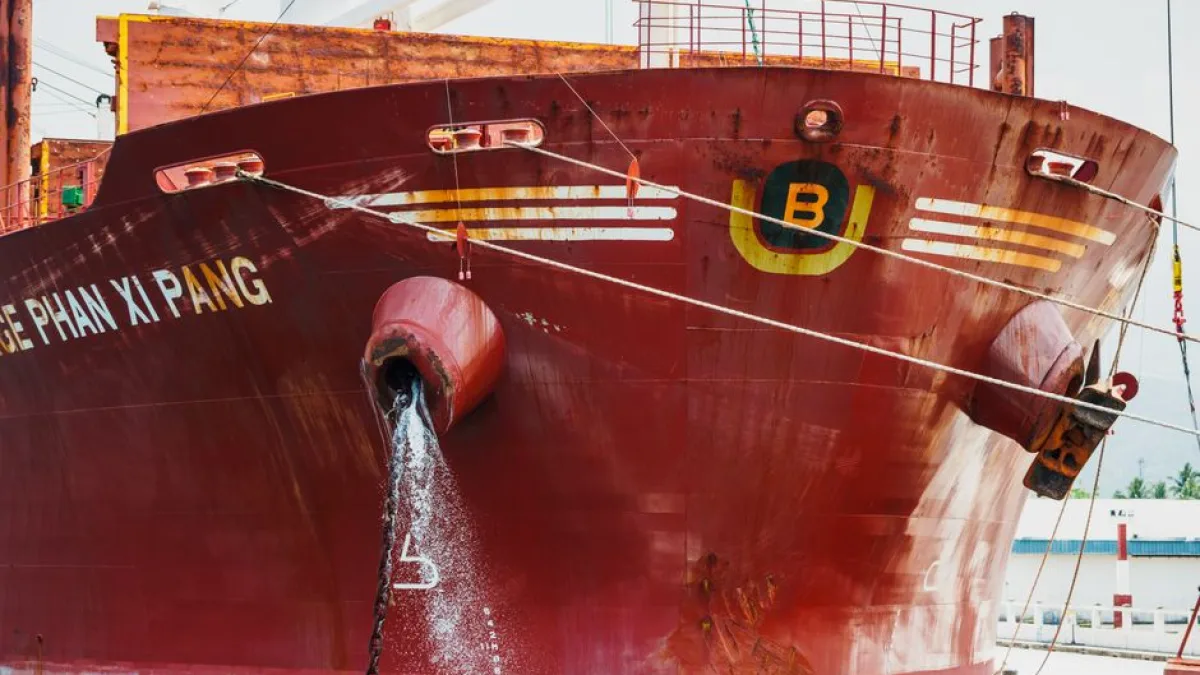
Mastering customs compliance is the ultimate differentiator for successful freight forwarders. By integrating advanced technology, maintaining rigorous audit standards, and staying alert to changing trade regulations, you protect your business and enhance the value provided to your clients. Focus on these core areas to minimize risks, avoid unnecessary penalties, and ensure your logistics operations remain smooth, efficient, and profitable in the competitive global market.