Mastering Customs Compliance in Modern Freight Forwarding
Thursday, September 10 2026
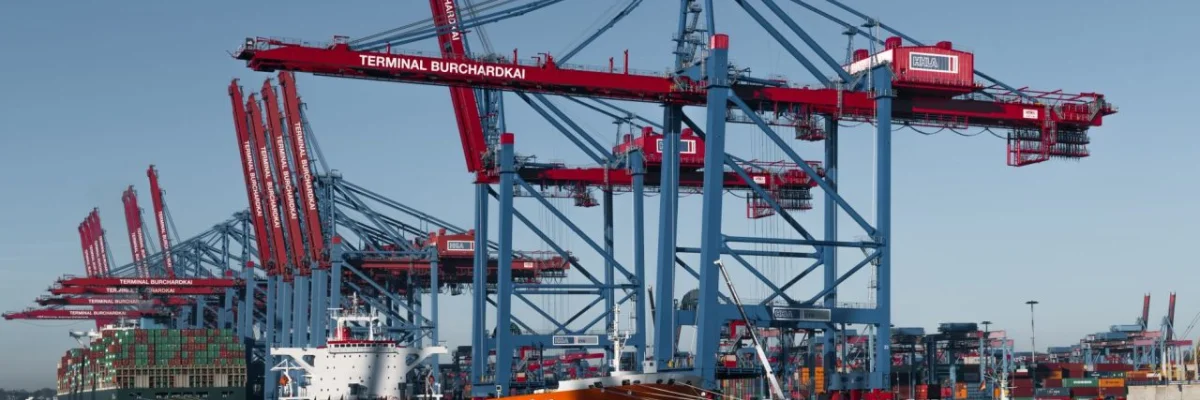
Navigating the complex landscape of international trade requires more than just logistics expertise. As global regulations tighten and cross-border scrutiny intensifies, freight forwarders must prioritize customs compliance to avoid costly delays and severe penalties. Effective compliance is no longer just a legal necessity but a strategic advantage that builds trust with clients and streamlines operations. By leveraging digital tools and staying updated on evolving trade policies, logistics professionals can ensure smooth border crossings while minimizing risk. This guide provides actionable insights for forwarders aiming to enhance their regulatory performance and maintain operational excellence in a rapidly changing global shipping environment.
Automating Compliance Documentation

Digitizing your documentation process is essential for maintaining accuracy and speed in today's fast-paced shipping industry. Automated systems reduce manual errors that often lead to inspection hold-ups or fines, ensuring every form is completed correctly and submitted to authorities on time.
- Real-time Data Validation: Automated software checks your data against global customs databases to identify potential errors before submission, preventing costly discrepancies that often trigger manual audits and secondary inspection holds.
- Centralized Document Storage: Keeping all declarations, licenses, and certificates in one secure cloud-based repository allows your team to access critical compliance information instantly during border security audits or inquiries.
- Automated Tariff Classification: Intelligent systems use advanced algorithms to suggest accurate HS codes, reducing the risk of classification disputes with customs agents and ensuring proper duty payments for shipments.
- Version Control Systems: Digital tools track changes to shipping documents, providing a clear audit trail that demonstrates transparency and accountability whenever regulatory agencies request information on past export or import transactions.
Adopting automated workflows significantly improves your operational agility by removing repetitive manual tasks from your daily routine. As you integrate these tools into your freight forwarding software, you create a robust compliance foundation that supports scalability. This digital transition not only protects your firm from regulatory oversight but also provides a superior customer experience by ensuring that every cargo movement proceeds without unnecessary administrative friction.
Navigating Trade Agreement Complexity

Modern trade agreements change frequently, making it difficult for forwarders to track duty preferences and origin requirements. Understanding these nuances allows your firm to provide expert guidance to clients, helping them optimize costs while remaining strictly within the legal framework.
- Preferential Duty Identification: Proactively monitoring active free trade agreements helps your team identify opportunities for clients to save on import duties while ensuring all origin criteria are fully met.
- Strict Origin Verification: Mastering the rules of origin is crucial for claiming tax benefits, as incorrect declarations can lead to hefty fines and loss of trade privileges for clients.
- Regional Regulatory Updates: Dedicated monitoring of local and international trade policy changes ensures that your forwarding team remains informed about new requirements before they impact active shipping lanes.
- Client Advisory Services: Providing proactive insights on trade agreements positions your freight forwarding business as a strategic partner rather than just a logistics provider, driving long-term customer loyalty and retention.
Mastering the intricacies of international trade agreements requires a commitment to continuous learning and precise data management. By keeping your team informed, you help clients navigate complex requirements effortlessly while avoiding common pitfalls. This expertise serves as a key differentiator in a crowded market, proving that your logistics services are built on a solid foundation of regulatory knowledge and professional strategic guidance.
Managing Risk Through Transparency
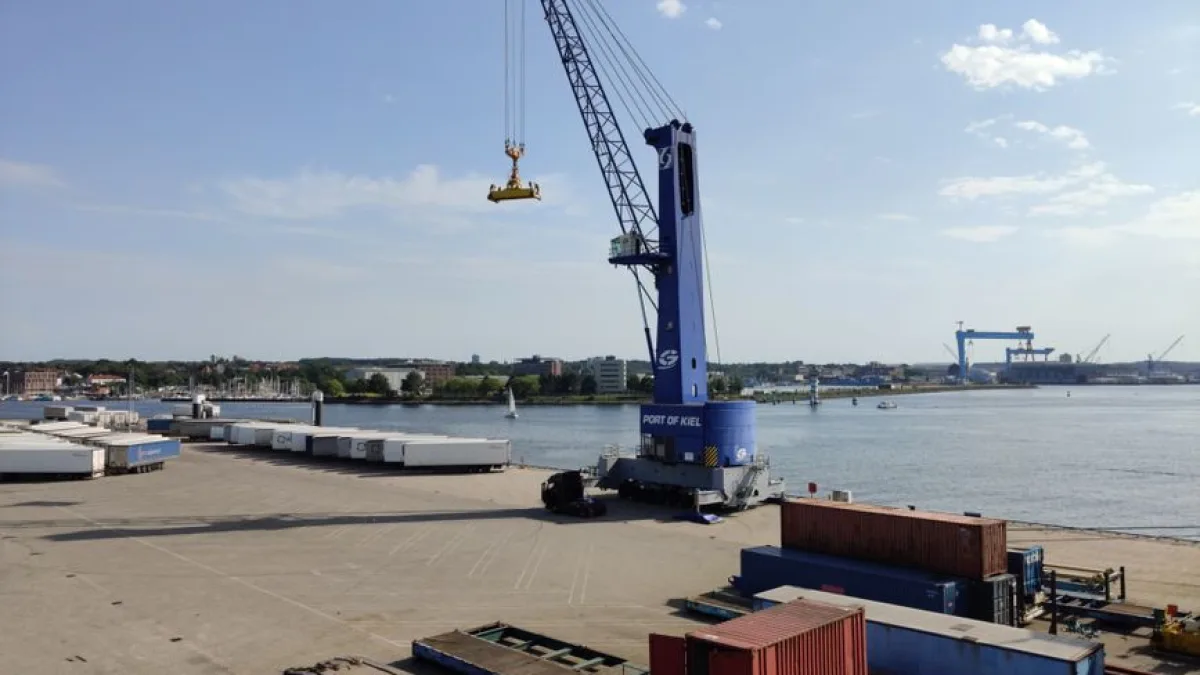
Transparency acts as the ultimate shield against regulatory failure and operational disruptions. When forwarders prioritize clear communication with both customs authorities and cargo owners, they significantly lower the likelihood of shipment seizures or prolonged delays that damage professional reputations during transit.
- Proactive Incident Reporting: Establishing clear protocols for reporting errors or discrepancies to customs authorities demonstrates good faith and can often mitigate the severity of potential penalties during investigations.
- Supply Chain Visibility: Utilizing tracking technology provides constant oversight of goods, ensuring that all movements align with declared manifests and secondary requirements for sensitive or restricted cargo items.
- Partner Vetting Processes: Regularly auditing your network of carriers and brokers ensures that every entity involved in the supply chain adheres to your company's high standards of legal compliance.
- Internal Compliance Audits: Conducting routine self-assessments helps your firm identify potential gaps in current procedures, allowing for corrective actions before they manifest as formal violations or operational bottlenecks.
Risk management is an ongoing process that demands consistent vigilance and attention to detail. By fostering a culture of transparency, you minimize the chance of errors reaching the border and protect your firm from legal fallout. This disciplined approach builds trust with customs officials and clients alike, creating a reputation for reliability that ultimately fuels business growth and operational success across every shipping lane.
Leveraging Advanced Reporting Tools
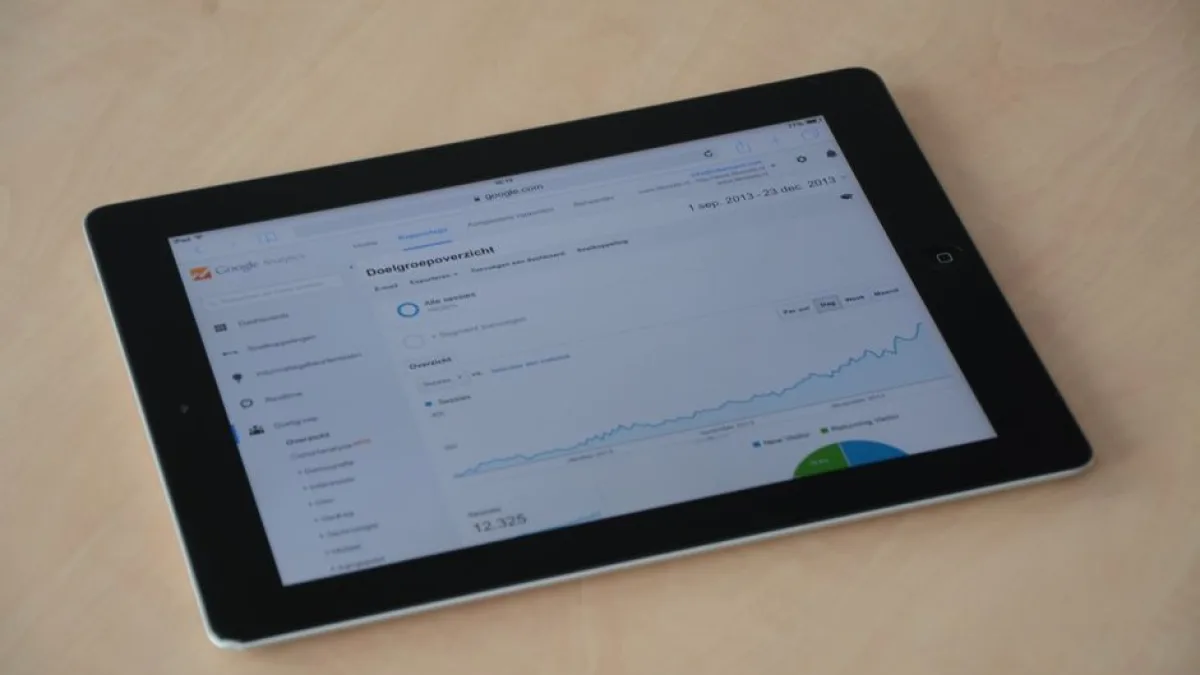
Data analytics transforms raw logistics information into actionable insights that simplify compliance monitoring. Advanced reporting tools allow freight forwarders to visualize potential risks, track filing performance, and demonstrate consistent adherence to complex international standards through intuitive, easy-to-understand visual dashboard interfaces.
- KPI Performance Tracking: Monitoring key metrics such as error rates and document submission speeds allows you to assess the effectiveness of your compliance program and adjust strategies accordingly.
- Predictive Risk Analytics: Using historical data helps your team anticipate high-risk shipments or problematic regions, allowing you to implement extra verification steps before the cargo departs from port.
- Regulatory Gap Analysis: Automated reports can pinpoint specific areas where your processes may fall short of new requirements, facilitating targeted training or software updates to improve overall performance.
- Customizable Audit Trails: Generating tailored reports for customs authorities simplifies the audit process, as you can provide comprehensive documentation that directly addresses their specific questions or concerns promptly.
Investing in reporting technology allows you to move beyond reactive compliance and start predicting potential issues before they arise. As your reporting capabilities expand, you gain the confidence to handle larger, more complex shipments for your clients. Using data-driven strategies ensures your freight forwarding business remains resilient, professional, and fully prepared for any regulatory changes that might occur in the future market.
Conclusion

Achieving compliance in freight forwarding requires a blend of technology, expertise, and transparent communication. By focusing on automated documentation, trade agreement mastery, risk management, and data-driven insights, forwarders can confidently navigate the global market. Start integrating these practices into your platform today to protect your operations, reduce costly errors, and provide superior service to your clients in an increasingly regulated international logistics environment.