Mastering Customs Compliance in Modern Freight Forwarding
Thursday, October 1 2026

Navigating the complex landscape of international trade regulations requires more than just logistical expertise. As global supply chains become increasingly intricate, freight forwarders must prioritize customs compliance to avoid costly delays, severe penalties, and reputational damage. Regulatory frameworks like the Authorized Economic Operator status or the Automated Commercial Environment demand precise documentation and real time visibility into every shipment. By leveraging cloud based software and proactive risk management strategies, forwarders can ensure seamless border crossings while fostering trust with clients. This guide explores the essential pillars of maintaining a compliant, efficient, and technology driven customs operations strategy in today's unpredictable market.
Digitizing Documentation Processes

Transitioning from manual paper based workflows to digital platforms significantly enhances accuracy and speed during the customs declaration phase. Automated systems reduce human error and ensure that every entry complies with current international standards and local jurisdictional requirements throughout the journey.
- Real time validation: Automated software checks your declarations against local regulations before submission, preventing costly rejections and delays caused by missing or inaccurate data within your complex shipping documents.
- Centralized data storage: Keep all shipping documents, invoices, and certificates in a secure cloud environment, ensuring that your team has instant access to history for audit purposes.
- Automated audit trails: Maintain a transparent record of all changes, approvals, and communications, providing your firm with robust protection during unexpected regulatory inspections or detailed government compliance audits.
- Standardized data entry: Utilize pre configured templates for common customs forms to minimize data entry errors and ensure that every submission adheres to strict international regulatory formatting.
- Integration with customs: Connect your software directly with national customs authorities to facilitate instant data transmission, reducing the wait times associated with traditional manual filing and communication processes.
Adopting digital tools transforms how you handle documentation by providing a single source of truth for your entire operation. When team members collaborate within a unified platform, the likelihood of data discrepancies diminishes drastically. This proactive approach to data management empowers your staff to focus on strategic growth rather than manual document handling, ultimately creating a more reliable and profitable service for your global clients.
Prioritizing Classification Accuracy

Accurate HS code classification serves as the backbone of trade compliance, directly influencing duty payments and shipment processing speed. Incorrect coding leads to audits and fines, making it vital to implement rigorous verification protocols for every item crossing international borders.
- Advanced lookup tools: Integrated HS code databases provide instant access to global tariff schedules, helping your team select the correct classification for complex goods with high precision.
- Historical data tracking: Store classification history by product or customer to ensure consistency across future shipments, reducing the need for repeated research and potential coding errors.
- Change alerts: Receive automatic notifications regarding updates to national tariff schedules or classification requirements, ensuring your business remains current with ever changing global trade policy updates.
- Automated cross referencing: Cross check chosen HS codes against restricted party lists or import/export controls to ensure your shipments meet all legal requirements before they leave.Simplified code selection: Use intuitive search features that suggest correct classifications based on product descriptions, helping newer staff members achieve senior level accuracy during the entry process.
Consistently identifying the right classification codes minimizes the risk of overpaying duties or triggering inspections that stall your supply chain. By embedding classification intelligence directly into your daily software, you turn a complex regulatory task into a routine, error free action. This level of diligence protects your bottom line and builds long term confidence with your clients as they expand their reach.
Managing Partner Risk Effectively
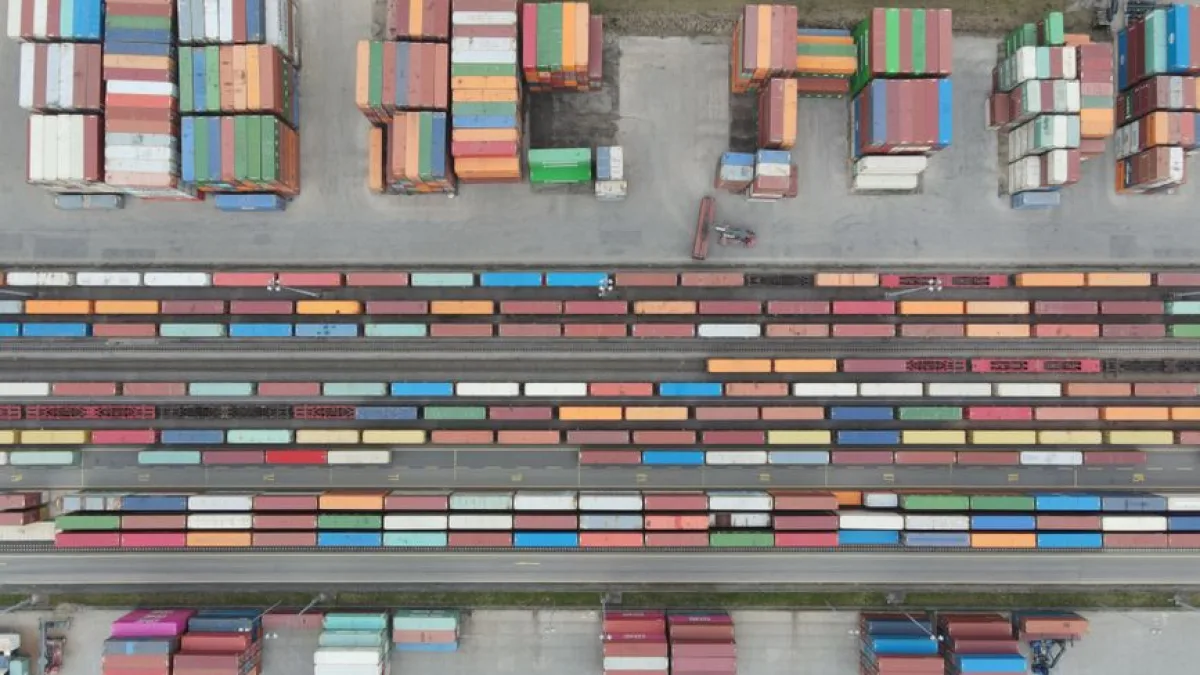
Partnering with reliable carriers and sub agents is essential to maintaining high compliance standards throughout the entire logistics lifecycle. Managing external risks involves vetting your global network and ensuring that every stakeholder adheres to your company safety and legal protocols.
- Rigorous partner vetting: Implement structured screening processes for all new agents, verifying their credentials, compliance history, and operational stability before officially adding them to your network.
- Regular compliance reviews: Conduct scheduled performance assessments of your partners to verify that they still meet your stringent documentation and regulatory standards for international freight shipments.
- Clear communication protocols: Establish standardized channels for sharing information regarding regulatory changes, ensuring your entire global network is aligned on the latest requirements for transit nations.
- Contractual accountability: Include specific compliance clauses in all partner agreements, clearly defining responsibilities for document accuracy and the legal consequences of failing to meet industry standards.
- Integrated partner portals: Give your international partners access to a secure, limited portal to upload necessary documents, ensuring all compliance data is captured in one place.
Your compliance status is only as strong as the weakest partner in your global supply chain. By maintaining a transparent and accountable network, you create a buffer against external disruptions. Cloud based software makes it easy to monitor partner performance metrics in real time, allowing you to identify potential issues before they escalate into compliance failures that could jeopardize your business operations.
Leveraging Advanced Reporting Analytics

Data driven insights provide the clarity needed to identify patterns and potential compliance bottlenecks within your logistics activities. Regular analysis of your customs entries allows for continuous improvement and the proactive identification of risks before they manifest as operational failures.
- Automated performance reports: Generate detailed analytics on entry accuracy, processing times, and cost variances, helping your management team identify inefficiencies and opportunities for optimization in customs handling.
- Risk trend analysis: Identify common issues or recurring documentation errors across specific shipping lanes, enabling you to refine your processes and provide targeted training to relevant staff.
- Operational visibility tools: Monitor your entire workflow from a high level dashboard that highlights pending tasks, missed deadlines, or shipments awaiting regulatory approval from customs agencies.
- Duty spend monitoring: Track your clients total duty and tax payments over time to provide financial insights that help them manage their supply chain costs more effectively.
- Customizable report generation: Build reports that meet the specific needs of your clients or regulatory authorities, ensuring you can quickly provide accurate data whenever requested during audits.
Transforming raw shipment data into actionable intelligence is a competitive advantage in the modern freight industry. By consistently reviewing your reports, you foster a culture of transparency and accountability within your team. This analytical mindset ensures your operations stay compliant while continuously evolving to meet the demands of global trade, keeping your services agile, reliable, and highly attractive to your international shipping clients.
Conclusion

Achieving excellence in customs compliance requires a blend of advanced technology, diligent processes, and proactive risk management. By digitizing your documentation, ensuring classification accuracy, managing partner relationships, and analyzing operational data, you protect your clients and your business from significant disruptions. Embracing a cloud based strategy allows your freight forwarding company to stay ahead of regulatory changes while maintaining speed and operational efficiency today.