Mastering Customs Compliance in Modern Freight Forwarding
Thursday, October 8 2026
Navigating the complex landscape of global trade requires more than just logistics expertise; it demands a rigorous commitment to customs compliance. As cross-border regulations become increasingly stringent, freight forwarders must transition from reactive handling to proactive management. Staying updated on international trade laws and utilizing modern digital infrastructure are essential steps for any logistics company aiming to avoid costly penalties. By integrating automated compliance checks directly into your freight software, you can ensure accuracy, reduce manual errors, and maintain seamless operations that keep your clients satisfied while safeguarding your business against the risks associated with non-compliant shipping practices.
Understanding Global Tariff Regulations
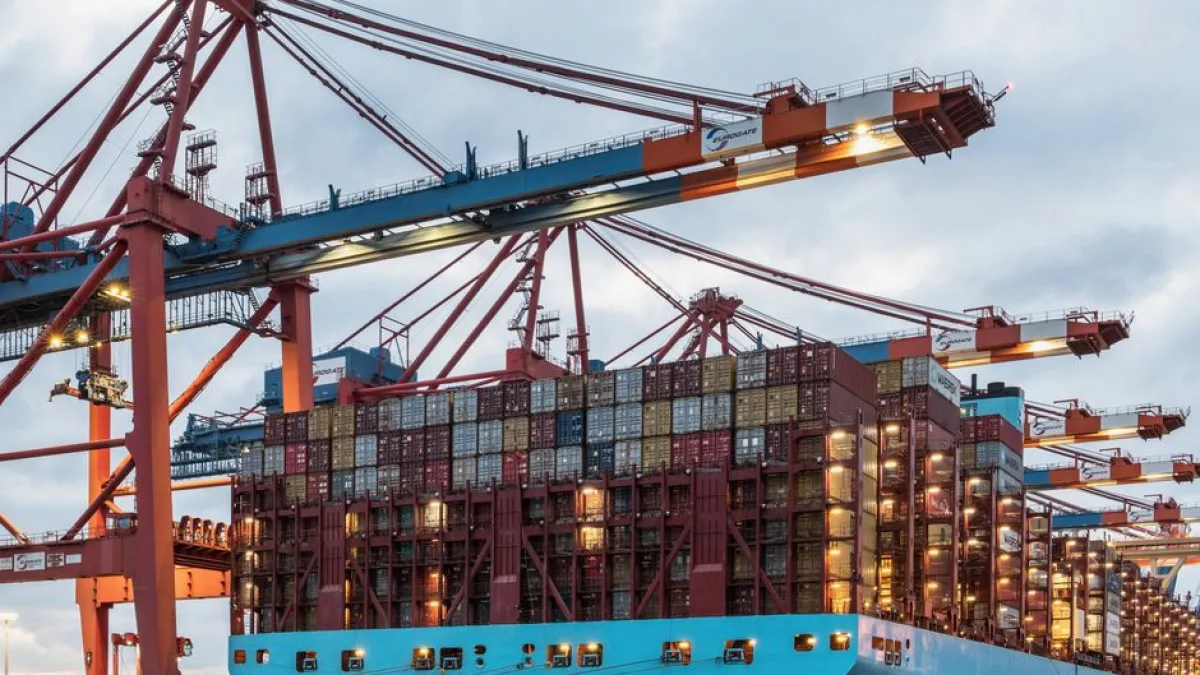
Navigating the intricate web of global tariffs requires constant vigilance and data accuracy. Freight forwarders often face shifting landscapes where import duties change overnight, forcing them to rely on robust systems to maintain the integrity of their international shipping schedules.
- Real-time tariff updates: Integrate live data feeds into your operating system to capture sudden duty fluctuations immediately, ensuring that quotes provided to clients remain accurate throughout the transit period.
- Harmonized system accuracy: Utilize automated lookup tools to verify HS codes for every shipment, reducing the risk of misclassification that leads to significant fines or customs clearance delays.
- Duty drawback opportunities: Identify eligible goods for duty recovery programs by tracking specific shipment attributes, which helps your clients save money while strengthening your value as a partner.
- Documentation audit trails: Maintain granular records of every tariff assessment applied to a shipment, providing a clear history of compliance should authorities request a formal post-clearance audit.
Staying ahead of tariff changes is no longer a luxury but a fundamental necessity for competitive logistics firms. By leveraging digital platforms that automate classification processes, forwarders can minimize the risk of financial losses. Consistent monitoring of trade policies creates a foundation of trust with customers, proving that your operation is capable of handling complex international requirements while maintaining high levels of supply chain efficiency.
The Role of Digital Documentation

Transitioning from paper-based archives to digital documentation represents a massive leap in operational security and efficiency. Cloud platforms allow teams to manage customs filings with unprecedented speed and accuracy, effectively eliminating the common pitfalls associated with physical document management.
- Centralized data storage: Keep all customs declarations, bills of lading, and certificates of origin in a single digital repository that remains accessible to authorized personnel from anywhere.
- Automated error detection: Deploy smart algorithms that scan incoming documents for inconsistencies before submission to customs agencies, preventing common clerical mistakes that often result in shipment holds.
- Secure document sharing: Enable encrypted transfer of sensitive trade data between shippers, carriers, and customs brokers to prevent information leaks while maintaining full transparency during the transit process.
- Version control systems: Manage document revisions effectively by tracking every change made to compliance paperwork, ensuring that the most current information is always submitted to authorities.
Digital transformation reduces the burden of compliance by replacing slow manual tasks with instant, traceable actions. When documentation is digitized, freight forwarders gain the ability to troubleshoot clearance issues in seconds rather than hours. This level of responsiveness is vital in maintaining the momentum of global trade and ensures that your compliance strategy remains robust, scalable, and fully prepared for modern digital customs requirements.
Managing Sanctions and Restricted Parties

Screening shipments against restricted party lists is a vital step in maintaining ethical and legal international trade standards. Forwarders must actively vet every participant in the shipping process to prevent inadvertent involvement with sanctioned entities, which carries severe legal consequences.
- Automated party screening: Conduct instantaneous checks against global watchlists to ensure no individual or business entity on your transport plan is subject to international trade restrictions or sanctions.
- Risk profiling tools: Implement software that assigns risk levels to specific regions or partners, allowing your team to perform deeper due diligence on high-risk shipment routes.
- Regulatory reporting compliance: Automate the generation of reports required by government agencies to disclose potential matches during the screening process, ensuring your firm meets all mandatory filing requirements.
- Internal policy enforcement: Standardize your screening protocols across all company branches to ensure that every shipment follows the exact same level of scrutiny regardless of geographic origin.
Protecting your company from sanction violations requires constant vigilance and the right software tools. By automating the screening process, your team can catch red flags before they escalate into major legal liabilities. This proactive stance on ethics not only keeps your company compliant but also builds a reputation for reliability, making you a trusted partner for international clients operating in sensitive industries.
Optimizing Customs Brokerage Integration

Seamless communication between freight forwarders and customs brokers is the key to minimizing dwell times at borders. Modern software platforms act as the bridge, ensuring that information flows perfectly between parties and that regulatory requirements are met with total precision.
- Direct EDI integration: Establish electronic data interchange connections with customs brokerage systems to push shipment details instantly, eliminating the need for manual data entry or email communication.
- Automated status updates: Configure your platform to send real-time alerts whenever a customs event occurs, keeping your logistics team and customers informed about potential delays or clearance milestones.
- Workflow synchronization: Align your internal shipping workflows with external brokerage requirements to ensure that all necessary information is submitted well before the cargo arrives at the port.
- Unified communication channels: Create dedicated digital threads for each shipment to house all correspondence between your team and the customs broker, simplifying the resolution of queries.
Successful integration creates a cohesive environment where information is never lost and status changes are reflected instantly. By focusing on the synergy between your software and your customs partners, you reduce the complexity of border clearance significantly. This operational maturity allows your team to handle larger volumes of cargo with greater ease, turning customs compliance into a distinct competitive advantage for your logistics firm.
Conclusion
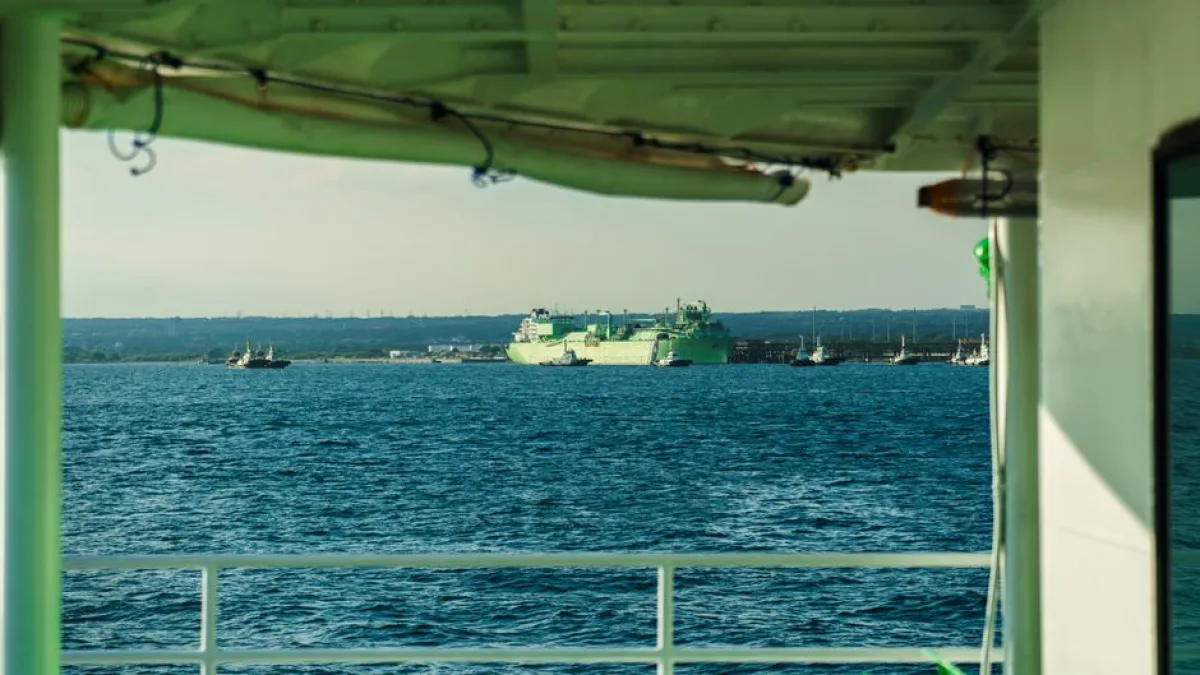
Mastering the complexities of customs compliance requires the right mix of industry knowledge and powerful technology. Freight forwarders who prioritize digital integration and automated screening processes consistently outperform competitors in efficiency and security. Take control of your compliance strategy today by choosing software that supports your growth. Visit the MakeCargo website to discover how our platform simplifies your regulatory burden and improves your global operations.