Mastering Customs Compliance in Modern Freight Forwarding
Sunday, October 25 2026

Navigating the complex landscape of global trade requires a profound commitment to customs compliance. As regulations evolve and cross-border transactions become increasingly complex, freight forwarders must prioritize accuracy and transparency to maintain smooth operations. Compliance is not merely a legal obligation but a strategic advantage that fosters trust with clients and prevents costly delays. By integrating modern digital tools, forwarders can proactively manage documentation and regulatory requirements. This article explores essential strategies for enhancing your compliance framework, ensuring that every shipment moves through customs with minimal friction and maximum security while supporting overall business growth in the competitive logistics sector.
Building Robust Digital Infrastructure

Modern digital platforms serve as the foundation for successful customs compliance by automating data entry and ensuring information consistency. Utilizing cloud-based software helps forwarders mitigate risks associated with human error and provides a centralized source for all regulatory documentation.
- Data Accuracy Verification: Automated systems cross-reference shipment data against international trade databases to ensure that all declarations are precise and align with current government tariff classification requirements.
- Centralized Documentation Storage: Maintaining a secure digital repository for invoices, permits, and certificates allows teams to retrieve vital paperwork instantly during rigorous customs audits or inspections.
- Real-time Compliance Alerts: Integrated notification systems update stakeholders immediately whenever new trade regulations or sanctions are published by authorities, enabling swift adjustments to ongoing shipment processes.
- Secure Data Encryption: Protecting sensitive client and financial information through advanced cybersecurity protocols ensures that compliance remains intact without compromising the integrity of your global trade network.
Adopting a robust digital infrastructure transforms how your agency interacts with customs authorities. By reducing manual reliance, you minimize the risk of penalties while accelerating clearance times significantly. This transition to technology enables your team to focus on strategic growth rather than administrative burdens. As the industry advances, investing in scalable software ensures your business remains resilient against changing international trade standards and requirements.
Optimizing Harmonized System Classification
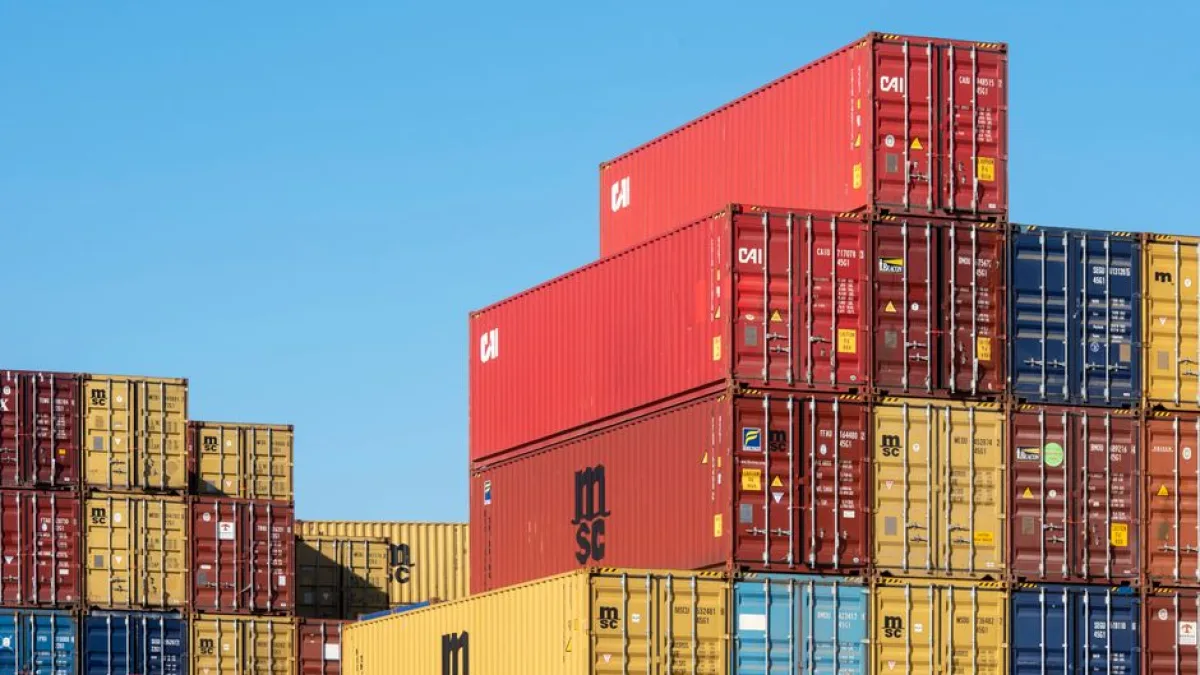
Correctly identifying Harmonized System codes is critical for duty calculations and regulatory adherence. Inaccurate classification often results in heavy fines and extended port delays, necessitating a structured approach to product categorization that remains consistent across your entire global logistics operation.
- Automated Code Lookup: Leveraging software tools that auto-populate HS codes based on product descriptions helps staff maintain consistent classification logic across diverse client shipments and global regions.
- Regular Expert Review: Implementing periodic audits of assigned HS codes by internal trade specialists ensures that all classifications remain valid according to the latest national updates.
- Detailed Item Descriptions: Encouraging clients to provide granular product details reduces ambiguity and prevents customs officers from questioning the legitimacy or category of the imported goods.
- Cross-reference Verification: Utilizing historical data to compare classification patterns against previous successful clearances helps identify potential inconsistencies before a shipment arrives at the customs border.
Precision in HS classification directly impacts your firm's ability to facilitate seamless cross-border trade. When forwarders master these classification nuances, they effectively reduce the likelihood of cargo being flagged for inspection or seizure. Developing an internal culture of documentation excellence protects your client relationships and establishes your brand as a reliable leader in the highly regulated and complex freight forwarding industry.
Managing Regulatory Change Effectively

The regulatory environment for international shipping changes constantly, requiring forwarders to remain agile and informed. Proactive monitoring of trade agreements and tax modifications ensures your compliance strategy evolves at the same pace as international law, preventing sudden shipment disruptions.
- Proactive Regulatory Updates: Subscribing to government trade bulletins ensures your team is among the first to know about changes in tariff structures or restricted import categories.
- Internal Training Workshops: Hosting regular sessions for operational staff keeps everyone aligned on new legal requirements and best practices for navigating complex international customs border checks.
- Strong Authority Relations: Cultivating professional relationships with customs agents and trade officials provides your team with valuable insights into upcoming policy shifts that affect operations.
- Comprehensive Compliance Audits: Conducting quarterly reviews of internal processes helps identify gaps in current strategies before they become major issues during formal customs reviews or inspections.
Adaptability is the hallmark of a successful freight forwarding agency in today's volatile economic climate. By prioritizing continuous learning and open communication with regulatory bodies, you create a buffer against unpredictable market disruptions. Maintaining this level of vigilance builds long-term confidence with your clients who depend on your expertise to navigate the increasingly complicated web of international trade compliance and law.
Strengthening Client Communication Standards
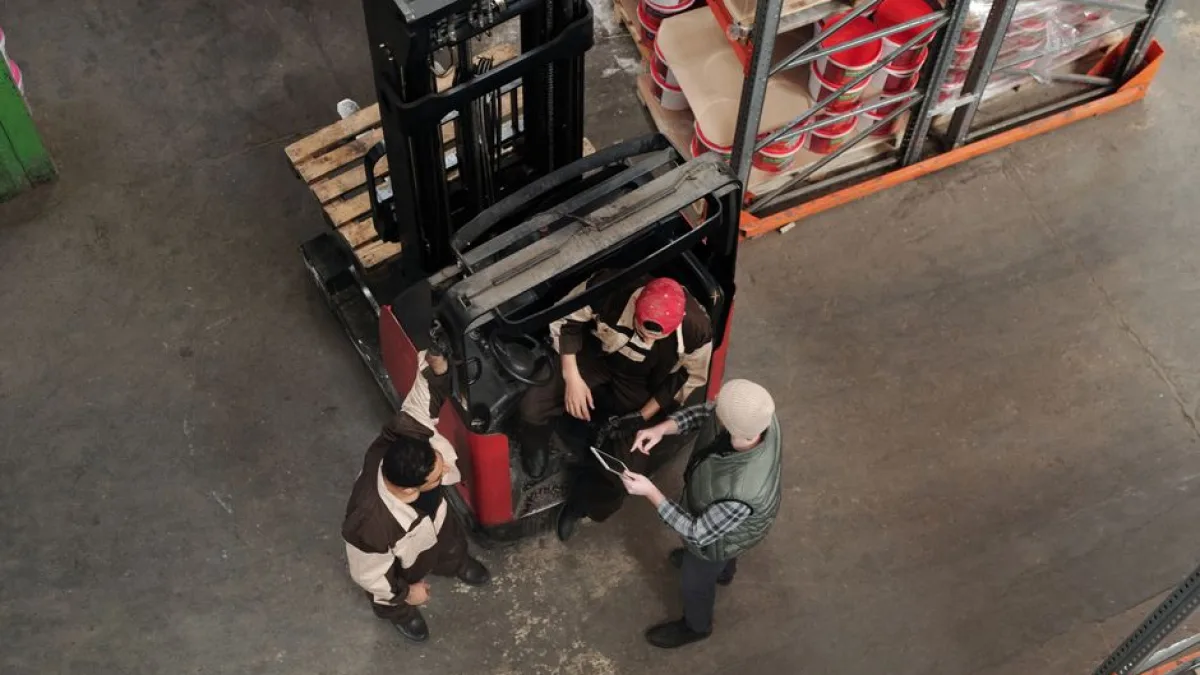
Clear communication between forwarders and their clients is the ultimate safeguard against compliance failures. Ensuring that all parties understand their respective responsibilities regarding documentation and declarations prevents common misunderstandings that frequently cause hold-ups and financial losses for all stakeholders involved.
- Standardized Onboarding Protocols: Implementing a clear onboarding process that educates clients on required documentation prevents errors from entering the supply chain at the very beginning stages.
- Transparent Status Updates: Providing clients with constant visibility into their shipment compliance status helps manage expectations and allows for collaborative problem solving during customs delays.
- Collaborative Document Review: Encouraging early sharing of commercial invoices and packing lists enables your team to catch potential compliance issues before the goods depart origin.
- Clearly Defined Roles: Establishing who is responsible for specific declarations within your service agreements eliminates confusion and ensures accountability throughout the entire international shipping journey.
Effective communication acts as a critical line of defense in the compliance process. By establishing clear expectations with your clients from the initial booking, you minimize operational friction and enhance the overall service experience. A proactive approach to client education not only prevents delays but also positions your company as a vital strategic partner in your clients global supply chain success.
Conclusion
Maintaining high standards of customs compliance requires constant effort, technological integration, and clear communication. By centralizing your data and staying informed on regulatory changes, your freight forwarding business can turn compliance into a genuine competitive advantage. Prioritize these strategies to reduce operational risk and enhance your service reputation. Contact the MakeCargo team today to learn how our platform supports your compliance goals.