Mastering Customs Compliance in Modern Global Trade
Monday, September 7 2026
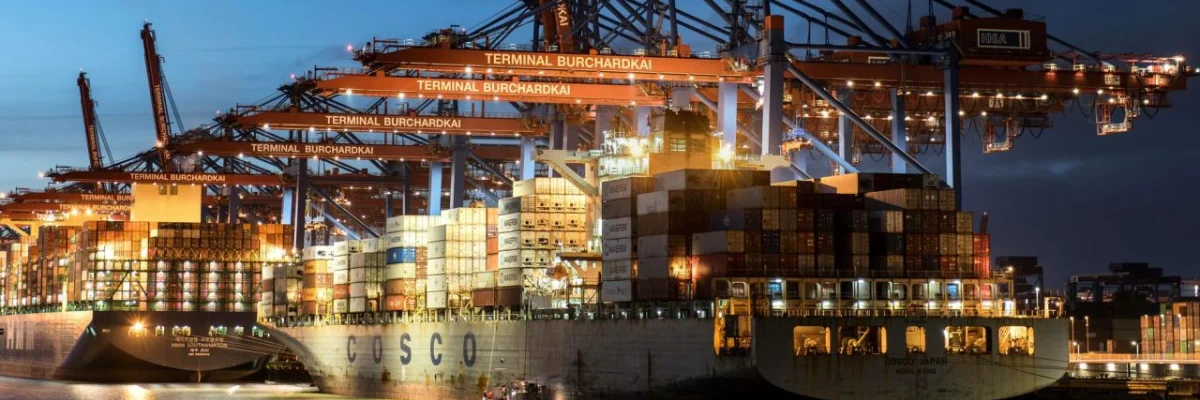
Navigating the complex landscape of global customs regulations requires precision and a proactive mindset to avoid costly delays. As international trade regulations become increasingly stringent, freight forwarders must prioritize accuracy in documentation to ensure the seamless movement of goods across borders. Relying on outdated manual processes often leads to errors that trigger audits, penalties, or even cargo seizures. By integrating advanced digital solutions, logistics providers can gain real-time visibility and maintain full regulatory compliance. This comprehensive approach empowers forwarders to protect their clients interests while enhancing operational efficiency in an unpredictable and fast-paced global supply chain environment.
The Critical Role of Data Accuracy

Accurate data entry serves as the foundation for successful customs clearance. Even minor discrepancies in commodity codes or weight declarations can lead to significant processing delays at borders. Digital systems reduce human error and ensure that every filing meets strict government mandates.
- Standardized data protocols: Implementing universal data standards ensures that information is consistent across all international shipping documents and helps prevent misunderstandings between customs brokers and your internal operations team members.
- Automated validation checks: Using automated systems to verify entries against customs databases helps identify potential errors immediately before submission, drastically reducing the risk of fines and shipment rejections.
- Harmonized system classification: Mastering the complex Harmonized System codes is essential for accurate duty calculations, ensuring that your clients pay the correct rates while avoiding unnecessary and costly tax assessments.
- Audit trail maintenance: Creating a digital record for every transaction provides an essential safety net, allowing your team to quickly retrieve documentation during unexpected audits or government inspection requests.
Precision is the cornerstone of trust in the freight forwarding industry. When forwarders commit to high data standards, they minimize the risk of disruptions and strengthen relationships with customs authorities. Adopting cloud-based platforms allows your organization to centralize all relevant documentation, creating a single source of truth that simplifies compliance workflows and keeps your cargo moving smoothly toward its final destination on schedule.
Navigating Evolving Regulatory Landscapes
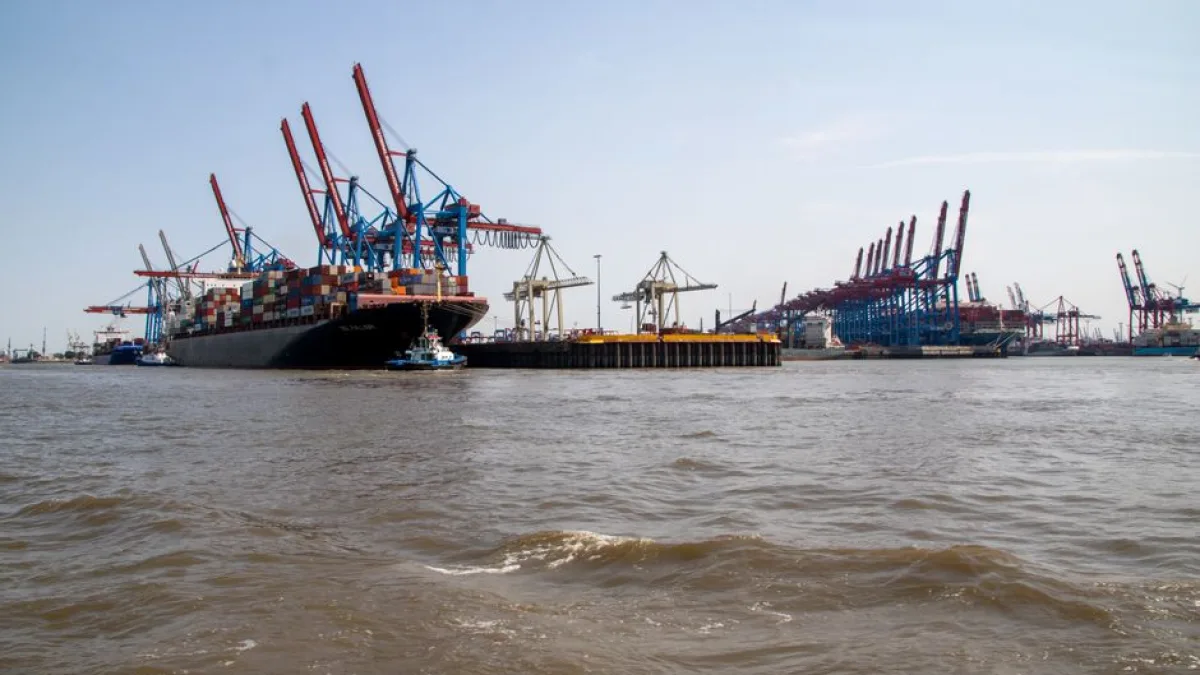
Global trade laws are constantly shifting due to geopolitical changes and security updates. Freight forwarders must stay agile by monitoring international alerts and updating their internal processes to align with the latest regional requirements for various goods and trade lanes.
- Real time monitoring: Subscribing to regulatory update services ensures your operations team receives instant alerts regarding changes in trade policies or country-specific import requirements for various industrial sectors.
- Continuous team training: Investing in regular professional development programs for your staff guarantees that every member understands current compliance laws, reducing the reliance on outdated and dangerous industry practices.
- Regional expert collaboration: Partnering with local customs brokers provides invaluable insight into unique regional regulations, helping your team navigate tricky border environments with professional expertise and verified local knowledge.
- Policy adaptation strategies: Creating flexible internal frameworks allows your company to pivot quickly when trade agreements change, ensuring that your compliance posture remains resilient despite global geopolitical and economic instability.
Agility defines the most successful forwarders in the current market environment. By proactively staying informed about regulatory shifts, companies transform compliance from a source of stress into a competitive advantage. This commitment to staying current ensures that your operations remain undisturbed by legislative changes, allowing your team to focus on providing exceptional service to your clients rather than managing avoidable paperwork-related emergencies.
Technology as a Compliance Partner
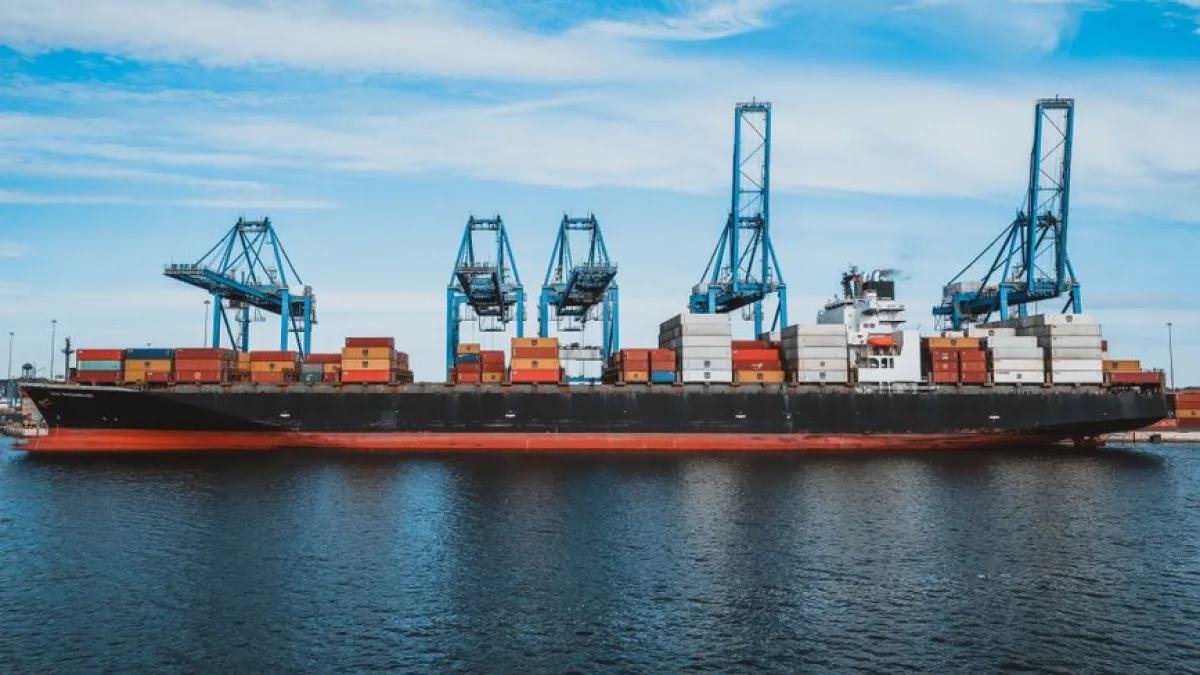
Modern cloud software acts as a vital tool for streamlining complex customs workflows. By automating repetitive tasks and centralizing communication, platforms like MakeCargo empower teams to maintain high compliance standards while simultaneously increasing their overall processing volume and service speed.
- Automated document generation: Leveraging templates for standard customs declarations minimizes manual typing, ensures consistent formatting, and dramatically speeds up the time required to prepare complex sets of shipping paperwork.
- Centralized cloud storage: Keeping all compliance documents in a secure cloud repository eliminates the risks associated with scattered physical files, ensuring accessibility and security for all stakeholders.
- Direct customs integration: Connecting your management software directly with government portals facilitates faster communication, allowing for the rapid exchange of documents and instant receipt of status updates.
- Advanced reporting dashboards: Utilizing analytics tools helps management track compliance performance metrics, enabling data-driven decisions that refine processes and improve the overall accuracy of your logistics operations department.
Technology transforms compliance from a heavy burden into a manageable operational process. When teams utilize sophisticated software, they gain the bandwidth to handle higher volumes without sacrificing accuracy or attention to detail. This shift enables forwarders to scale their operations confidently, knowing that their digital infrastructure is capable of handling the rigors of international customs requirements while providing deep, actionable performance insights.
Mitigating Risks Through Transparency

Transparency is your strongest defense against the consequences of non-compliance. Establishing clear communication channels between your company, shippers, and customs agencies ensures everyone remains informed, which helps prevent errors and fosters a culture of accountability throughout the entire shipping journey.
- Transparent communication channels: Building open lines of dialogue with clients regarding documentation requirements helps gather correct information early in the process, preventing last-minute surprises during the customs clearance stages.
- Proactive anomaly detection: Utilizing system alerts to flag missing signatures or incorrect details allows for immediate correction, effectively neutralizing risks before they escalate into serious legal or financial penalties.
- Client education initiatives: Helping your customers understand the importance of accurate data submission empowers them to provide better input, which directly benefits the overall speed of the customs process.
- Internal accountability standards: Defining clear roles for every document submission ensures that all files undergo multiple verification steps, reducing the likelihood that a critical error will go unnoticed.
Risk mitigation requires a dedicated team culture that values honesty and clarity above all else. When transparency becomes a core company value, errors are identified earlier and handled more professionally. This proactive approach not only protects your firm from costly penalties but also improves client trust. By maintaining open lines of communication, forwarders create a reliable environment that supports long-term growth and success.
Conclusion

Mastering customs compliance is not a one-time project but a continuous commitment to excellence and accuracy. By leveraging modern software, staying informed about regulatory shifts, and fostering a culture of transparency, forwarders can confidently navigate any trade challenge. Prioritize these strategies to safeguard your operations and ensure that your clients receive the efficient, reliable, and compliant service they deserve in today's global market.